
Beautiful Plants For Your Interior
Beautiful Plants For Your Interior
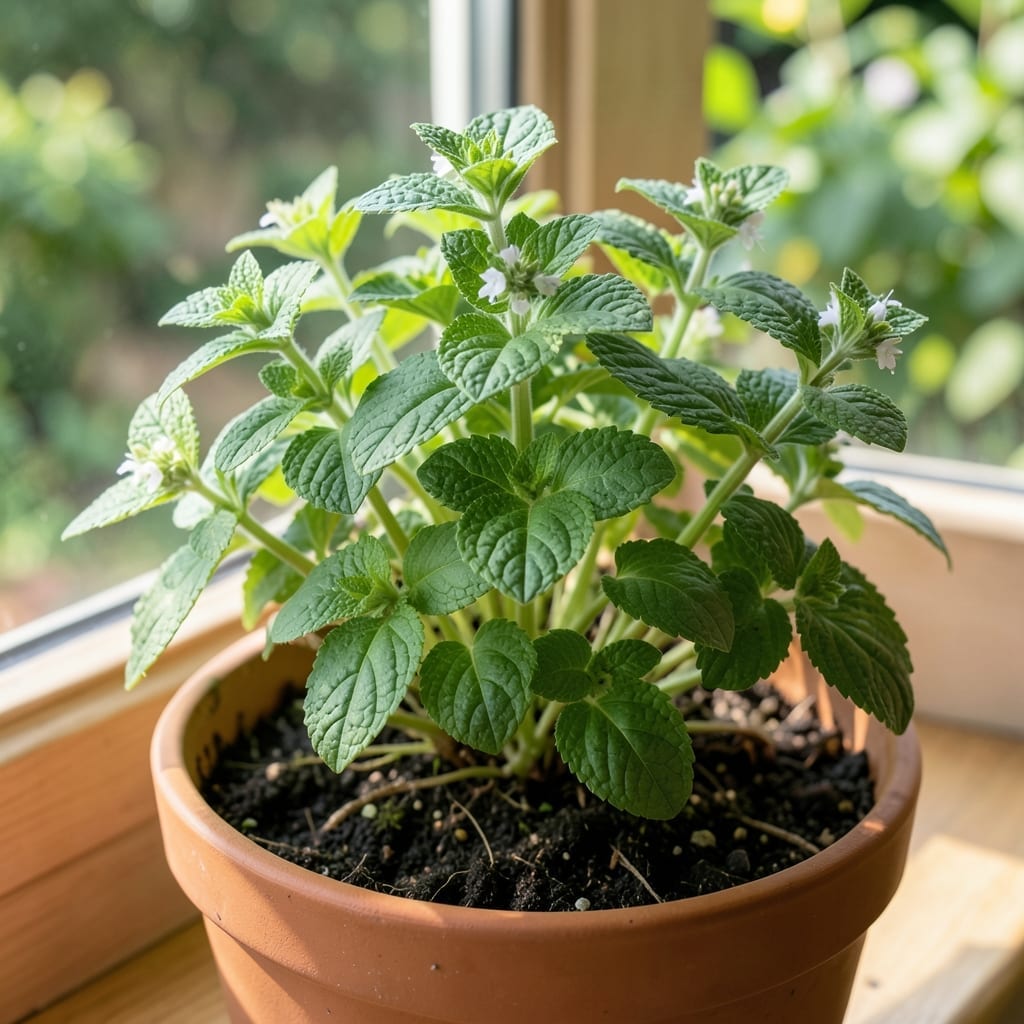
Shady garden corners just got their hero plant. I discovered white-flowering mint as the foolproof solution for those tricky low-light spots where nothing else thrives.
This variety spreads quickly, forming a dense, fragrant carpet that brightens dark areas with delicate white blooms. It handles moist soil better than most ground covers, and the scent keeps pests away naturally.
By midsummer, you’ll have a lush green base punctuated with clusters of tiny white flowers. The fragrance intensifies when brushed against, and it requires almost no maintenance once established.
Works in zones 5-9, under trees, or along north-facing walls. Here’s how to make it work in your space.
Mint plants occasionally produce white flowers, and this natural phenomenon stems from several biological and environmental triggers. Here’s a breakdown of the most common causes:
Many mint varieties, such as Mentha spicata (spearmint) or Mentha piperita (peppermint), are genetically programmed to bloom. Flowering is part of their reproductive cycle, signaling maturity. White flowers often appear in late spring or summer when the plant shifts energy from leaf production to seed development.
Insufficient or excessive light can trigger flowering. Mint thrives in partial shade but may produce white blooms if exposed to longer daylight hours (over 12–14 hours). This photoperiodic response mimics natural seasonal changes, prompting the plant to flower as a survival mechanism.
Sudden temperature shifts, especially warm days followed by cool nights, can stimulate flowering. Mint interprets these changes as a cue to reproduce before adverse conditions arrive. Stress from heat or cold can also accelerate the process.
Over-fertilization, particularly with high-nitrogen formulas, may delay flowering. Conversely, phosphorus-rich soils encourage bloom formation. If your mint is flowering unexpectedly, check soil nutrients—white flowers might indicate it’s time to adjust your feeding routine.
If your fragrant ground cover isn’t thriving, these targeted fixes will get it back on track. Below are the most common problems and their practical solutions, plus tips to keep your plants healthy long-term.
Soggy roots are often the culprit. Repot or relocate your plant to a spot with well-draining soil, or amend the current soil with perlite or sand. Ensure containers have drainage holes. Prevention tip: Water only when the top inch of soil feels dry.
Spider mites or aphids? Spray leaves with a mix of water and mild soap, or introduce beneficial insects like ladybugs. For severe cases, use neem oil. Prevention tip: Keep foliage dry and avoid over-fertilizing, which attracts pests.
If stems are stretching and sparse, your plant needs brighter, indirect light. Move it to a shadier spot with dappled sunlight. Prevention tip: Rotate pots occasionally for even growth.
Under or overwatering can cause drooping. Check soil moisture—it should be damp but not waterlogged. Water deeply but infrequently. Prevention tip: Mulch around the base to retain moisture.
Remove affected leaves and space plants farther apart to improve circulation. Avoid overhead watering. Prevention tip: Thin out dense growth to reduce humidity around leaves.
Pro tip 💡: Regularly prune your plant to encourage bushier growth and prevent issues before they start!
Water when the top 1 inch of soil feels dry. These plants prefer consistently moist but not waterlogged soil. In hot weather, check soil every 2-3 days.
Yes, mint spreads quickly via underground runners. To control growth, plant in containers or edged beds. It’s perfect for filling spaces but needs boundaries to prevent overrunning other plants.
It tolerates full sun in cooler climates but thrives best in partial shade, especially in warmer zones. In intense heat, provide afternoon shade to prevent leaf scorch.
Expect blooms in late spring to summer, depending on your climate. The flowers attract pollinators and add visual interest, but you can trim them to encourage leafier growth.