
Beautiful Plants For Your Interior
Beautiful Plants For Your Interior
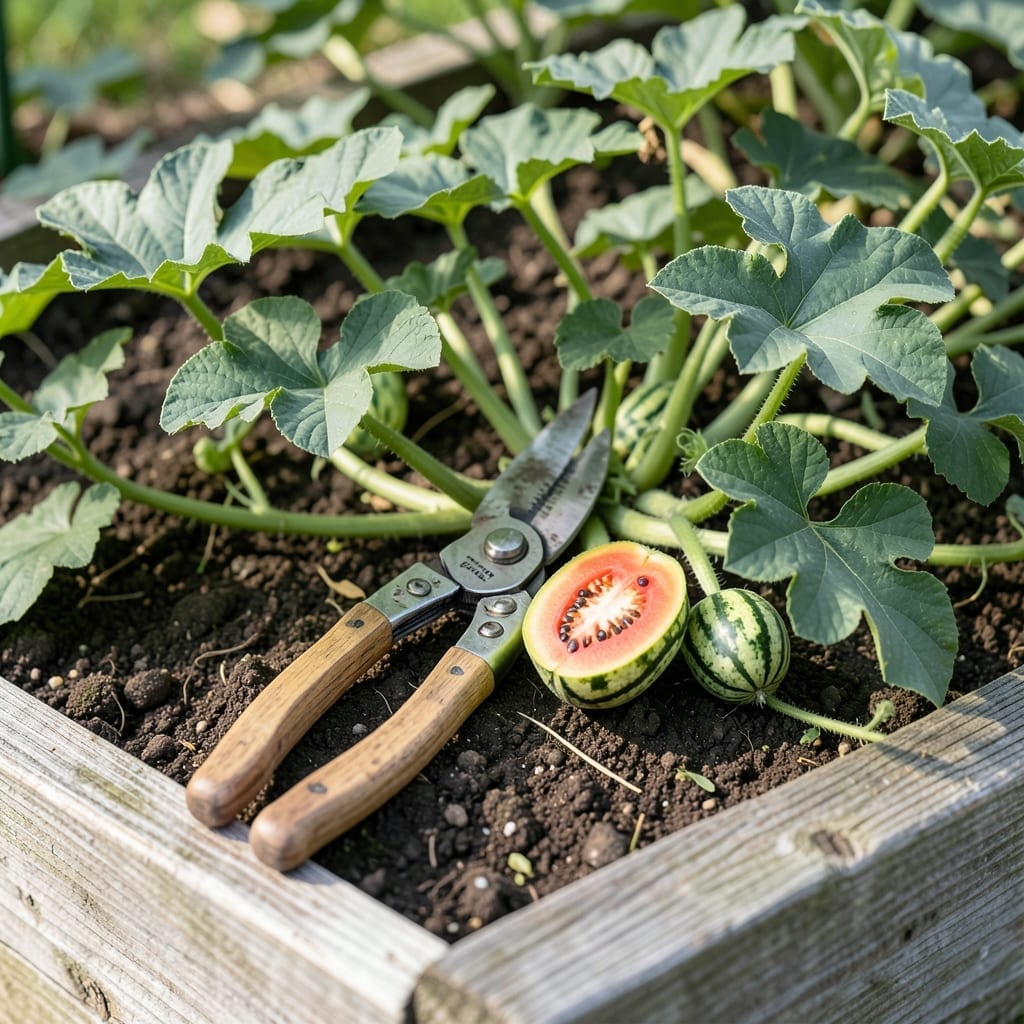
Knowing when your Mini Watermelon 🍉 is perfectly ripe can be tricky, but the secret lies in two key signs. These subtle changes signal peak sweetness.
I’ve learned that timing is everything with these compact fruits. Missing the harvest window can mean the difference between a sweet treat and a bland disappointment.
What most gardeners overlook are the simple visual cues that nature provides. You don’t need fancy equipment – just a sharp eye and a little knowledge.
Let me walk you through the most reliable indicators that your Mini Watermelon is ready to pick. The harvest season from August to September makes this the perfect time to learn.

I’ve found that the tendril drying method is the most reliable way to check if your mini watermelon is ripe. This curly vine near the stem changes from green to brown as the fruit matures, signaling it’s time to harvest.
The tendril is the primary indicator because it directly responds to the fruit’s ripening hormones. When it turns completely brown and dry, your mini watermelon is at peak sweetness and ready to pick.
| Stage | Tendril Appearance | Ripeness Status |
|---|---|---|
| Early | Green and flexible | Not ready |
| Mid-Ripening | Partially brown | Almost ready |
| Peak Ripeness | Fully brown and dry | Ready to harvest |
I always check the tendril opposite the stem first, as it’s the most accurate. If it’s still green and supple, your mini watermelon needs more time on the vine, usually 3-5 days in warm weather.
Timing is crucial. Mini watermelons typically take 70-90 days from planting to harvest. In my experience, the tendril drying happens in the final 1-2 weeks, so keep a close eye during this period.
Another pro tip: morning checks are best. The tendril’s color is most visible in natural light. Avoid checking after rain, as water can temporarily darken the tendril and give a false ripe signal.
If you’re growing multiple mini watermelons, you’ll notice the tendrils dry at different rates. This is normal—each fruit ripens independently. I label mine with planting dates to track progress accurately.
For the most precise results, combine the tendril check with other signs. A dull rind and cream-colored underside confirm what the tendril is telling you. This multi-check approach ensures you never pick too early.
I’ve learned the hard way that patience pays off. Picking before the tendril dries results in underripe, less sweet fruit. Wait for that full brown color, and you’ll be rewarded with the best flavor.
Remember, mini watermelons won’t continue ripening once picked, so accuracy is key. The tendril method has never failed me—it’s the gold standard for home gardeners. 🌱
I always start by checking the skin dullness of my mini watermelons. A glossy surface means it’s not ready, but a matte finish signals ripeness is near. This change happens as the fruit matures and sugars develop.
Another reliable sign is the underside color. When the spot touching the soil shifts from white to cream or yellow, your watermelon is likely ready. I watch for this daily as harvest time approaches.
The tap test is my favorite method. A deep, hollow sound when you tap the melon indicates it’s ripe. Compare it to an unripe one, which will sound more solid and flat. Practice helps perfect this technique.
I also examine the rind hardness. A ripe mini watermelon will have a tougher rind that resists penetration when pressed with a fingernail. This shows the fruit has developed its protective outer layer.
Remember that color alone isn’t always reliable. Some varieties stay lighter even when ripe. That’s why I always use multiple signs together for the most accurate assessment.
For best results, check your mini watermelons in the early morning when temperatures are cooler. This is when the fruits show their truest ripeness characteristics. I find this timing gives me the clearest signs.
🌱