
Beautiful Plants For Your Interior
Beautiful Plants For Your Interior
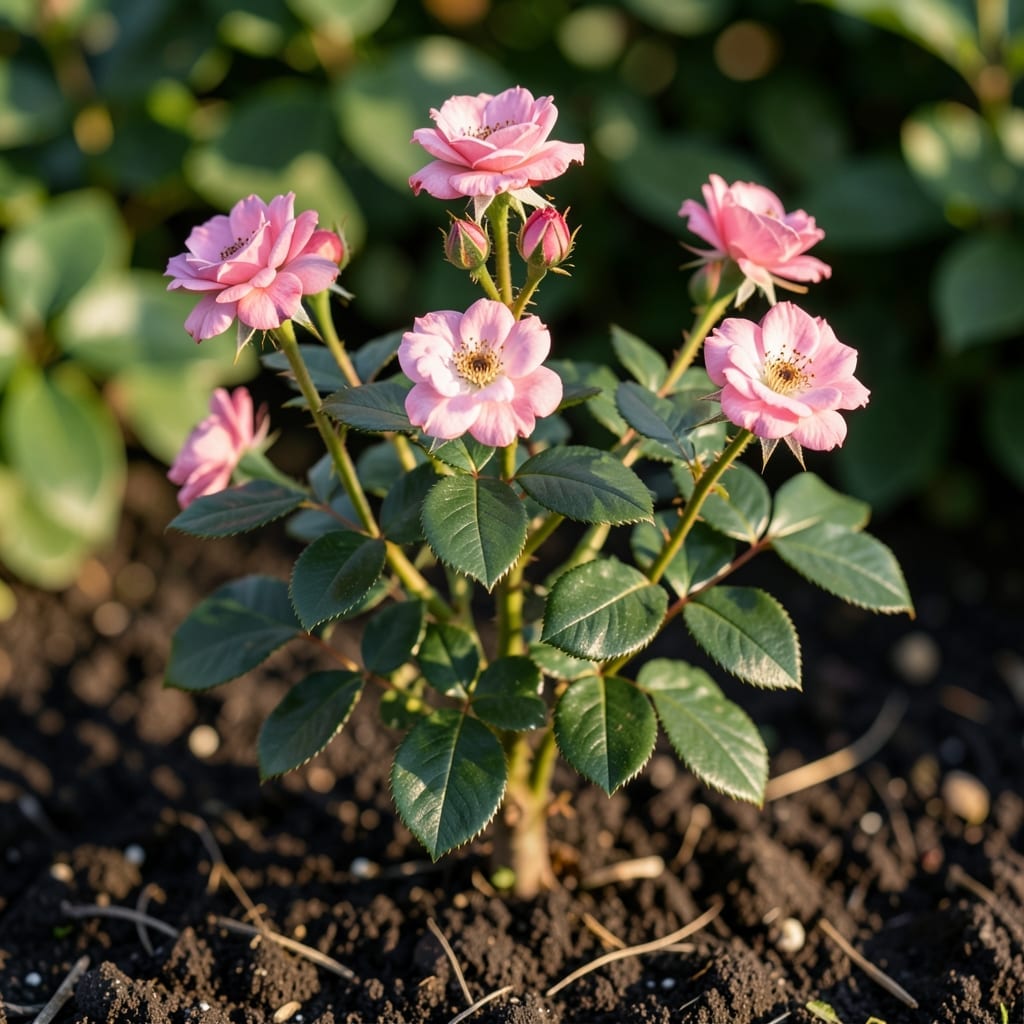
Imagine filling your garden with the charm of roses without the overwhelming size. The 🌹 Mini Rose Bush makes this possible, offering all the beauty in a perfectly compact package.
These delicate plants typically reach just 1-2 feet tall, making them ideal for small spaces, containers, or garden borders. Their manageable size doesn’t mean you sacrifice blooms or fragrance.
What many don’t realize is that their final dimensions depend on care and variety. With the right approach, you can maintain their petite stature while encouraging vibrant growth.
Discover how to nurture these little powerhouses to their full potential. Let’s explore what makes the Mini Rose Bush a game-changer for any garden.


When I first planted mini rose bushes, I was amazed at how their compact size still delivered stunning blooms. These charming plants typically reach 12-24 inches in height at maturity.
Their spread often matches their height, creating a neat, rounded shape perfect for borders or containers. Most varieties stay under 2 feet tall and wide, making them ideal for small spaces.
| header-cell” style=”background: #6fd544; color: #fff;”>Width | row”> | cell”>18-24 inches | cell”>Mature |
| cell”>12-18 inches | row”> | cell”>18-24 inches | cell”>Mature |
| cell”>6-12 inches | Seedling |
I’ve found that Sweet Drift roses tend to be on the taller side, reaching up to 2 feet in ideal conditions. Their spreading habit makes them perfect for ground cover in small areas.
Playboy mini roses stay more compact, usually maxing out at 18 inches. This makes them excellent for container gardening on patios or balconies.
The Cupcake variety is another favorite of mine, growing to about 2 feet with a similar spread. Its abundant blooms more than make up for its modest size.
As seedlings, most mini roses start at just 6-12 inches. With proper care, they’ll reach their mature size in about 2-3 growing seasons. I always recommend patience with these slow growers.
In my experience, the first year often sees the most dramatic growth. You might see your mini rose double in size during this period with good conditions.
Remember that these size ranges are averages. Your plant’s final dimensions can vary based on care, climate, and growing conditions. I’ve seen well-tended mini roses exceed their expected size by up to 25%.
For the best results, I suggest monitoring your plant’s growth and adjusting your care routine as needed to maintain the ideal compact size that makes these roses so special 🌹
If you’ve ever wondered why your mini rose bush isn’t matching the size expectations from the nursery tag, several key factors are at play. I’ve learned that growing conditions can dramatically alter their final dimensions.
Container vs. in-ground planting makes a huge difference. Potted mini roses often stay smaller, while those planted directly in garden beds may grow 20-30% larger with access to more nutrients and space.
I’ve noticed that sunlight exposure is the most significant factor. Mini roses in partial shade tend to grow taller and leggier as they stretch for light, often exceeding their expected height by 6-8 inches.
Pruning techniques give you direct control over size. I recommend a light trim after each bloom cycle and a hard prune in early spring to maintain that perfect compact shape.
Soil quality affects both size and bloom production. I always amend planting areas with compost to ensure my mini roses have the nutrients they need without encouraging excessive growth.
Finally, remember that climate zone plays a role. In my Zone 7 garden, mini roses tend to reach the upper end of their size range, while gardeners in cooler zones might see slightly smaller plants 🌹