
Beautiful Plants For Your Interior
Beautiful Plants For Your Interior
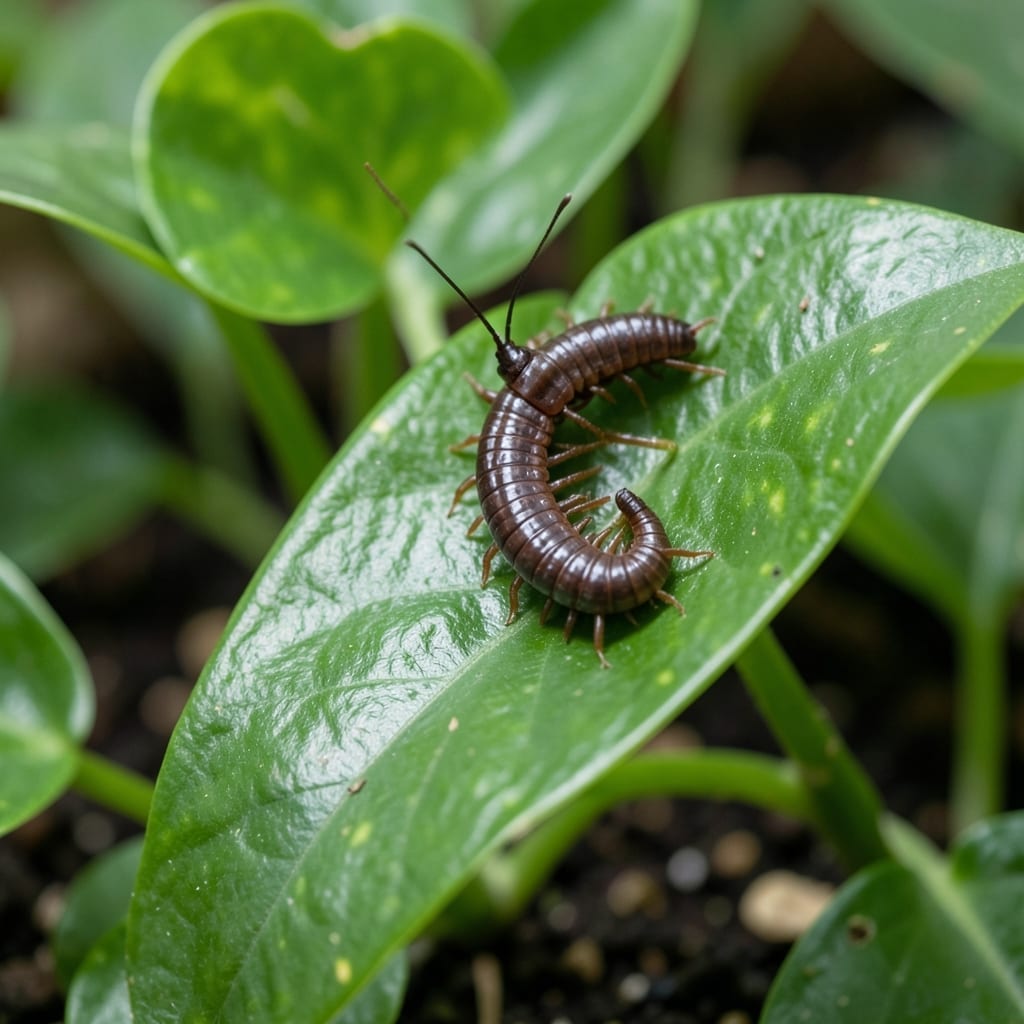
I found my first millipede curled in the soil of my favorite fern last spring. They’re not harmful to plants, but those little segmented bodies crawling across your windowsill? Not ideal.
These pests thrive in damp conditions, so overwatering or poor drainage is usually the culprit. I’ve learned that catching them early prevents a full-blown infestation from spreading to your other plants.
With a few simple adjustments to your care routine and some natural removal methods, you’ll see them disappear within a week or two. No harsh chemicals needed.
Works for all indoor plants, from small succulents to large tropical varieties. Here’s how to handle it.
Millipedes thrive in houseplants due to specific environmental conditions that mimic their natural habitat. Understanding these causes helps you address the root of the problem effectively.
Millipedes are attracted to damp environments because they require moisture to survive. Overwatering houseplants creates soggy soil, which provides the perfect breeding ground. Additionally, poor drainage in pots traps water, further encouraging their presence. Action: Allow the top inch of soil to dry between waterings and ensure pots have drainage holes.
These arthropods feed on decomposing plant material, such as dead leaves, rotting wood, or decaying roots. If your houseplants have accumulated organic debris on the soil surface or in the pot, millipedes will be drawn to it. Action: Remove fallen leaves, old mulch, or any decaying matter from the plant’s base regularly.
Stagnant air around houseplants increases humidity levels, making the environment more inviting for millipedes. Poor airflow also slows soil drying, compounding moisture issues. Action: Improve air circulation by spacing plants apart, using a small fan, or moving them to a breezier location.
Millipedes often wander indoors from gardens, patios, or mulched areas, especially during wet weather. They may hitch a ride on new plants or enter through open windows and doors. Action: Inspect new plants for pests before bringing them inside and seal potential entry points like cracks or gaps.
Dealing with millipedes in your houseplants doesn’t have to be a hassle. Here’s how to tackle the issue based on the root cause, along with prevention tips to keep them from returning.
Millipedes thrive in damp environments. If overwatering is the culprit, reduce your watering frequency and ensure the top 1-2 inches of soil dry out between waterings. Use a moisture meter to monitor soil conditions. For immediate relief, repot the plant in fresh, dry soil and discard the infested mix.
Millipedes feed on rotting organic material. Clear away dead leaves, fallen petals, or mulch from the soil surface and around the pot. If your plant has a thick layer of organic matter on top, replace it with a thin layer of sand or gravel to discourage moisture retention and millipede activity.
Plants in pots without drainage holes or with compacted soil can trap moisture. Repot your plant into a container with drainage holes and use a well-draining potting mix. Add perlite or coarse sand to improve aeration. Elevate the pot on a stand or saucer with pebbles to prevent water from pooling underneath.
If millipedes hitched a ride from outside, isolate the affected plant immediately. Inspect nearby plants and the surrounding area for signs of millipedes. Clean the pot and saucer with soapy water to remove any lingering pests or eggs. For outdoor plants, consider moving them indoors temporarily or treating the soil with diatomaceous earth (food-grade) for a natural barrier.
💡 Prevention Tips: Keep your plants healthy with proper watering habits, maintain cleanliness around your plants, and regularly inspect new plants before bringing them indoors. A little vigilance goes a long way in keeping millipedes at bay!
Millipedes don’t damage healthy plants. They feed on decaying organic matter, not living roots or leaves. Their presence indicates excess moisture or debris, which can harm your plants if left unchecked.
Stick your finger 1-2 inches into the soil—if it feels wet, hold off on watering. A musty smell or visible mold also signals overwatering. Use a moisture meter for precise readings.
It’s unnecessary. Natural solutions like diatomaceous earth or simply improving drainage work effectively without risking plant health. Chemical pesticides can harm plants and beneficial soil organisms.
Yes, if conditions are damp across multiple pots. Isolate infested plants and check nearby ones for moisture issues. Fixing the environment stops their movement.