
Beautiful Plants For Your Interior
Beautiful Plants For Your Interior
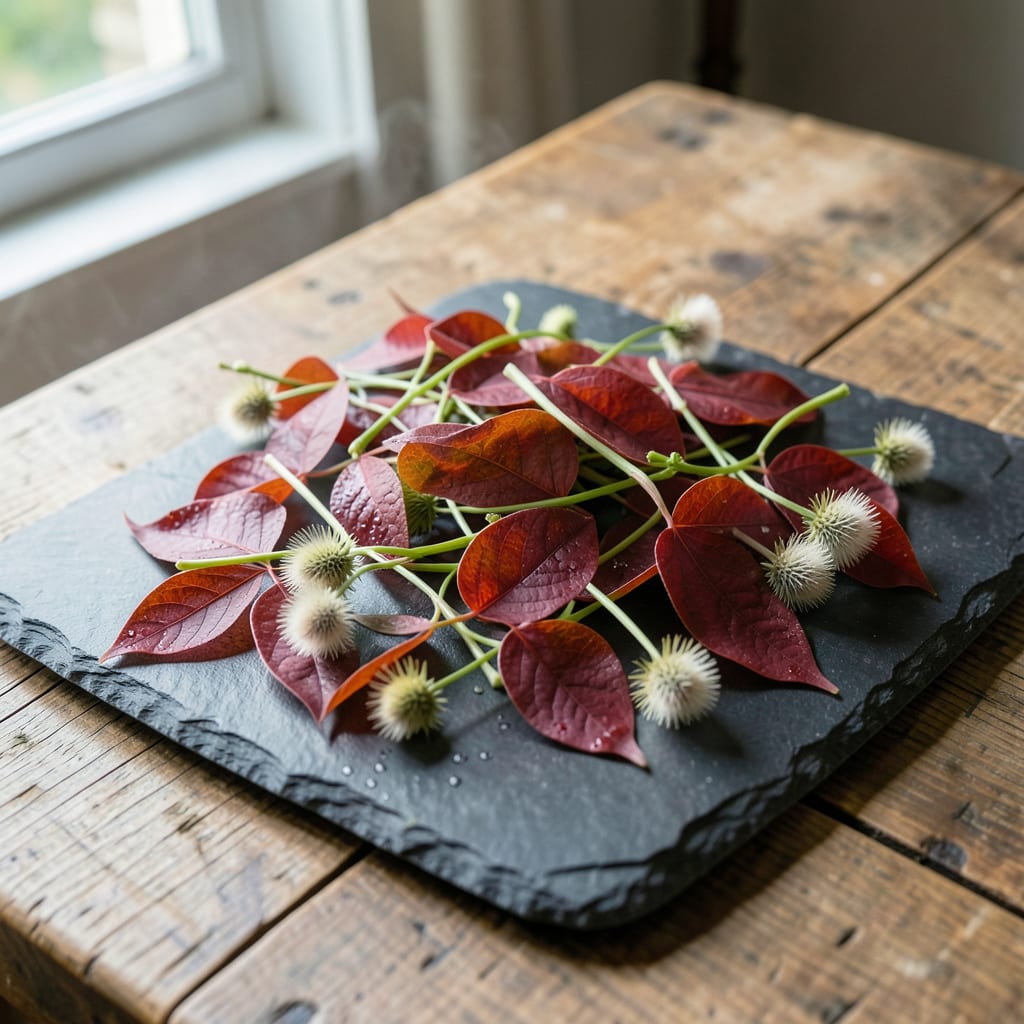
Red milkweed leaves stopped me in my tracks last summer. 🌱 I’d been growing these plants for years to support monarchs, so seeing that color change felt like a warning sign I couldn’t ignore.
Turns out this isn’t just about looks—red leaves often mean your milkweed is stressed. Could be aphids sucking the life out of it, a fungus taking hold, or even too much sun beating down on those tender leaves.
Here’s the thing—monarchs need healthy milkweed to thrive. Fix the underlying issue and you’ll see those leaves return to their vibrant green within 2-3 weeks, just in time for butterfly season.
Between you and me, catching this early makes all the difference. Left unchecked, the whole plant can decline fast. Let’s get to the root of the problem.
Milkweed leaves turning red is often a sign of stress or environmental changes. Here are the most common causes:
Extreme heat or cold can trigger anthocyanin production, a pigment that turns leaves red. Milkweed thrives in moderate temperatures (60–80°F). When exposed to prolonged heatwaves or unexpected frosts, the plant responds by producing these red pigments as a protective mechanism against cellular damage.
Both overwatering and drought stress milkweed. Overwatering suffocates roots, reducing nutrient uptake and leading to leaf discoloration. Conversely, underwatering causes the plant to conserve energy, often resulting in red or purple hues as chlorophyll breaks down. Ensure consistent moisture—1 inch of water per week is ideal for most milkweed species.
A lack of phosphorus (P) or magnesium (Mg) can cause reddening, particularly in older leaves. Phosphorus deficiency often appears as a purplish-red tint on leaf undersides, while magnesium deficiency shows as interveinal reddening (red between veins). Test soil and amend with bone meal (for P) or Epsom salt (for Mg) if needed.
Infestations of aphids, spider mites, or milkweed bugs sap the plant’s nutrients, leading to stressed, discolored leaves. Fungal diseases like rust or powdery mildew can also cause red spots or mottling. Inspect leaves regularly and treat with neem oil or insecticidal soap at first signs of trouble.
If your milkweed leaves are turning red, act quickly to restore plant health and protect visiting monarchs. Below are targeted fixes for each common cause, plus prevention tips to keep your milkweed thriving.
Blast aphids off with a strong stream of water early in the day so leaves dry quickly. For heavy infestations, apply neem oil or insecticidal soap in the evening when monarchs are less active. Avoid pesticides that harm caterpillars.
Prevention: Introduce natural predators like ladybugs or lacewings. Inspect new plants before adding them near your milkweed.
Move potted milkweed to a spot with afternoon shade or use shade cloth for in-ground plants. Water deeply at the base early in the morning to reduce evaporation. Mulch with straw to retain moisture.
Prevention: Choose native milkweed varieties suited to your climate. Group plants together to create a microclimate with higher humidity.
Prune affected leaves with sterilized shears and dispose of them in the trash (not compost). Thin out dense growth to improve airflow. Water at the soil level to keep foliage dry.
Prevention: Space plants 18–24 inches apart. Avoid overhead watering, especially in humid conditions.
Apply a balanced, slow-release fertilizer (10-10-10) or compost tea to replenish nutrients. Avoid high-nitrogen formulas, which can promote leafy growth at the expense of flowers (which monarchs need).
Prevention: Test soil every 2–3 years. Amend with organic matter annually to maintain fertility.
💡 Pro Tip: Always wear gloves when handling milkweed—its sap can irritate skin and is toxic if ingested.
Not always. Some milkweed varieties naturally develop reddish tones in cooler weather. However, sudden or widespread reddening usually signals stress.
Yes. Too much nitrogen can create nutrient imbalances that trigger red pigmentation. Stick to balanced, slow-release fertilizers and avoid overfeeding.
Often yes, but severely damaged leaves may not recover. Address the underlying issue promptly, and new growth should return to normal color within 2-3 weeks.
Stressed plants produce fewer flowers and nectar. Healthy milkweed is crucial for monarchs, so fix the issue quickly to support their lifecycle.
