
Beautiful Plants For Your Interior
Beautiful Plants For Your Interior
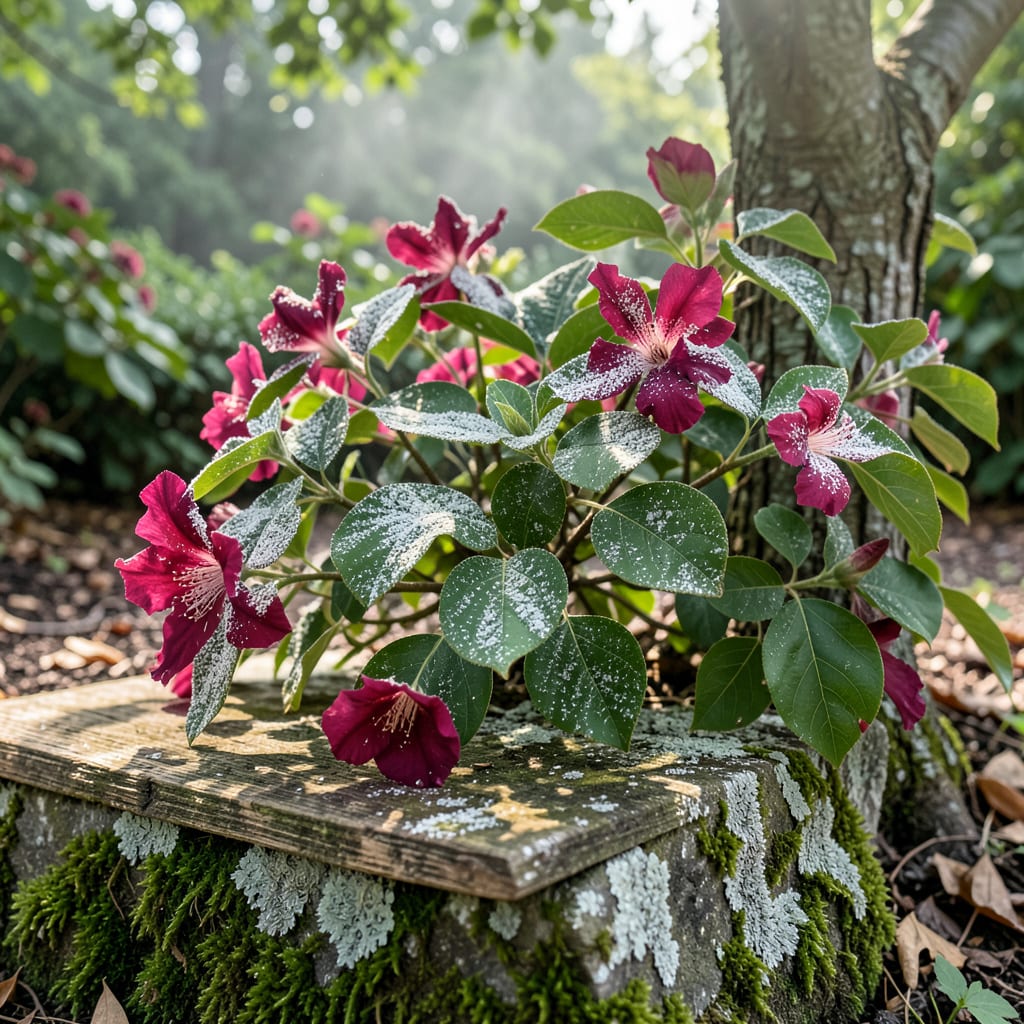
That white powder on your crape myrtle leaves isn’t dust—it’s mildew. I’ve seen it wipe out entire trees when left unchecked, but catching it early makes all the difference.
This fungus thrives in humid conditions with poor air circulation. My own crape myrtles stayed clean once I started pruning for better airflow and watering at the base instead of overhead.
You can treat active cases with neem oil or a baking soda solution, but prevention is simpler than cure. A little attention now saves you a season of frustration later.
Works for both young and established trees, and the same methods protect other ornamentals in your landscape.
Understanding why mildew appears on your crape myrtle starts with recognizing the conditions that encourage its growth. This pesky fungus thrives in specific environments, and knowing these triggers can help you prevent or address the issue effectively.
Powdery mildew spores flourish in humid environments with stagnant air. Crape myrtles planted too closely together or in shaded areas with limited airflow are prime targets. The lack of ventilation allows moisture to linger on leaves, creating an ideal breeding ground for the fungus (Erysiphe spp.).
This fungus is most active in moderate temperatures (60–80°F), especially when days are warm and nights are cool. These fluctuations can stress the plant and slow its natural defenses, making it more susceptible to infection. Extreme heat or cold, however, can inhibit spore growth.
Watering from above leaves foliage wet for extended periods, giving mildew spores the moisture they need to germinate. Drip irrigation or soaker hoses at the base of the plant are better alternatives to keep leaves dry and reduce risk.
Some crape myrtle cultivars are genetically more prone to powdery mildew. Varieties like ‘Natchez’ or ‘Muskogee’ show higher resistance, while others, such as ‘Carolina Beauty’, may require extra vigilance. Choosing resistant types can be a proactive step in prevention.
Excess nitrogen in soil promotes lush, tender growth that is more vulnerable to fungal attacks. A balanced fertilizer (e.g., 10-10-10) and proper soil testing can help maintain plant health without overstimulating susceptible new growth.
Mildew on crape myrtles can be frustrating, but these practical solutions will help you restore your plant’s health and keep the fungus at bay.
Poor airflow traps moisture, creating a perfect breeding ground for mildew. Thin out crowded branches to allow light and air to reach the center of the plant. Space your crape myrtles at least 6–8 feet apart to reduce humidity buildup. A small fan or gentle pruning can also help.
Overhead watering wets the leaves, encouraging fungal growth. Instead, water at the base of the plant in the early morning so foliage dries quickly. Drip irrigation or soaker hoses are ideal. Avoid evening watering, as damp leaves overnight invite mildew.
For existing infections, use a baking soda solution (1 tablespoon baking soda + 1 teaspoon dish soap + 1 gallon water) and spray affected leaves weekly. For severe cases, opt for a neem oil or sulfur-based fungicide, following label instructions. Always test on a small area first.
💡 Pro tip: Reapply fungicides after rain or heavy dew for continued protection.
Fallen leaves and plant debris harbor spores. Rake and remove them regularly, especially in fall. Disinfect pruning tools with rubbing alcohol between cuts to prevent spreading the fungus.
Prevent future headaches by planting mildew-resistant crape myrtle cultivars like ‘Natchez’, ‘Tonto’, or ‘Catawba’. These varieties are bred to fend off powdery mildew naturally.
🎯 Prevention is key: Keep your crape myrtle healthy with balanced fertilization (avoid excess nitrogen), and monitor for early signs of white, powdery spots to act fast.
It appears as a white, powdery coating on the surface of leaves, stems, and sometimes flowers. Early signs include small, isolated spots that can quickly spread into a dense layer if untreated.
Yes! A baking soda solution (1 tbsp baking soda + 1 tsp dish soap + 1 gallon water) works well for mild cases. Spray weekly for best results.
Rarely, but severe infections can weaken the plant and reduce flowering. It’s more of an aesthetic and growth issue than a fatal one.
Improve airflow by pruning, water at the base, and choose resistant varieties like ‘Natchez’ or ‘Tonto’.
