
Beautiful Plants For Your Interior
Beautiful Plants For Your Interior
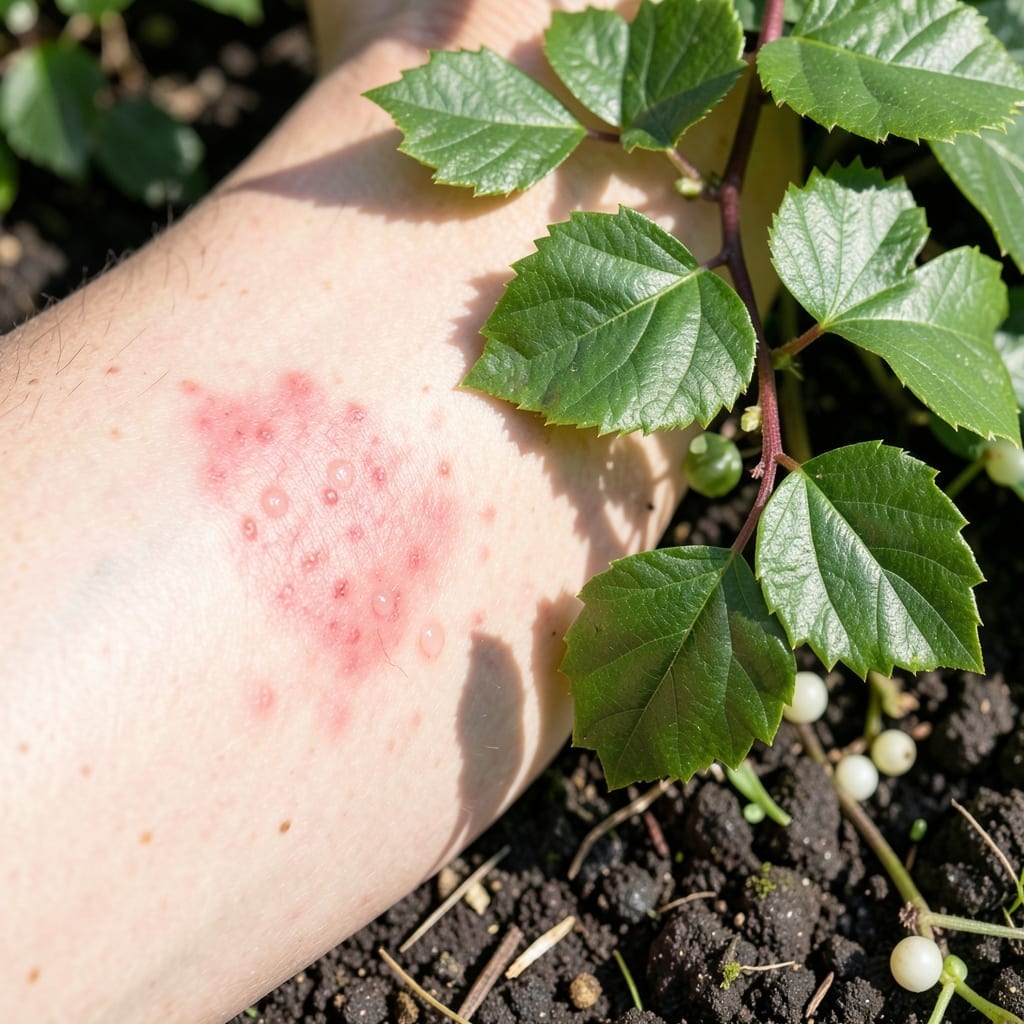
Spotting poison ivy early can save you weeks of itching. I learned this the hard way after a weekend of clearing brush in my backyard garden.
The rash starts as a red line or patch, then blisters form within 12-48 hours. It’s your skin reacting to the plant’s oil, not the rash itself spreading. The itching is relentless, but scratching only makes it worse.
Washing the area with soap and cool water within 10 minutes of exposure can stop the reaction. After that, calamine lotion or hydrocortisone cream helps ease the discomfort.
Wear long sleeves and gloves when working in areas where poison ivy might grow. Prevention is the best treatment for gardeners.
The itchy, blistering rash of poison ivy starts with a simple but powerful trigger: contact with urushiol, an oily resin found in the plant’s leaves, stems, and roots. This natural compound binds to skin proteins, sparking an allergic reaction in about 80% of people. Here’s why it happens, broken down by cause:
The most common cause is brushing against poison ivy, sumac, or oak. Urushiol adheres to skin within minutes, but the rash may take 12–48 hours to appear as the immune system mounts a defense. Even indirect contact—like petting a dog that rolled in the plant—can transfer the oil.
Urushiol clings to tools, clothing, or sports equipment. Touching these later (e.g., gardening gloves or a soccer ball) can spread the oil. The rash develops in stages, often starting as redness and swelling before progressing to blisters.
Burning poison ivy releases urushiol particles into the air. Inhaling them can cause severe lung irritation or a rash on exposed skin. This is less common but highlights why you should never burn these plants.
Actionable tip: Wash skin with soap and cool water immediately after exposure to remove urushiol and reduce rash severity. 💡
If you’ve noticed the early signs of a mild poison ivy rash, acting quickly can help ease discomfort and speed up healing. Here’s how to tackle each stage with simple, effective solutions.
Most mild rashes improve within 1–2 weeks. If symptoms worsen or spread, consult a healthcare provider for prescription treatments.
Redness appears within 12-48 hours after exposure, followed by blisters in 1-3 days. These typically dry and scab within 1-2 weeks.
No, the rash itself isn’t contagious. Only the plant’s oil (urushiol) spreads the reaction. Once washed off, you can’t pass it to others.
Use cool compresses and over-the-counter hydrocortisone cream. Oral antihistamines like Benadryl can provide relief at night.
Seek medical attention if the rash covers a large area, affects your face, or shows signs of infection like pus or fever.