
Beautiful Plants For Your Interior
Beautiful Plants For Your Interior
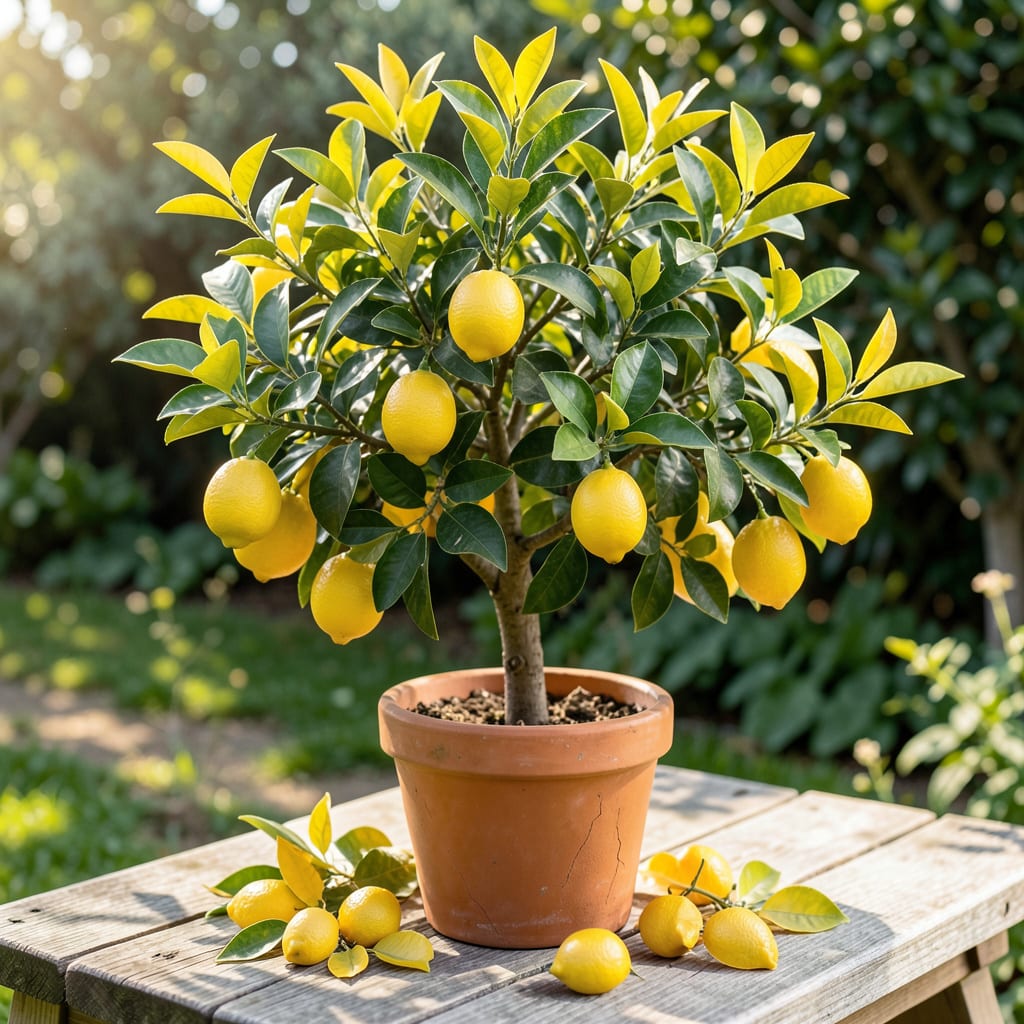
Yellow leaves on your Meyer lemon tree aren’t just unsightly—they’re a distress signal. I’ve nursed more citrus back to health than I care to admit, and the fix usually starts with what’s happening beneath the surface.
The culprit is often nitrogen deficiency or waterlogged roots, but iron shortages and pests can mimic the same symptoms. A quick soil test and leaf inspection will reveal which problem you’re actually dealing with.
Once you identify the issue, solutions like adjusting your watering schedule, amending with the right fertilizer, or treating for pests can restore that deep green color within 2-3 weeks.
Prevention is simpler than cure: consistent care, proper drainage, and seasonal feeding keep your tree thriving year-round.
Meyer lemon trees develop yellow leaves due to several underlying issues, often tied to their growing conditions or care. Here’s a breakdown of the most common causes:
A lack of essential nutrients, particularly nitrogen, iron, or magnesium, is a primary culprit. Nitrogen deficiency typically causes uniform yellowing of older leaves first, while iron deficiency (common in alkaline soils) leads to interveinal chlorosis—yellowing between the veins of new leaves. Magnesium deficiency also causes interveinal chlorosis but affects older leaves first.
Excess water or poorly draining soil suffocates the roots, preventing them from absorbing nutrients. This often results in yellowing leaves accompanied by wilting or root rot. Meyer lemons thrive in well-draining, slightly acidic soil (pH 6.0–7.0). Soggy conditions also promote fungal diseases, which can further stress the tree.
Extreme temperatures, sudden cold snaps, or excessive heat can shock the tree, leading to leaf discoloration. Meyer lemons prefer consistent temperatures between 50–80°F (10–27°C). Additionally, insufficient light (less than 6–8 hours of sunlight daily) weakens the tree, causing leaves to turn yellow and drop.
Pests like spider mites, aphids, or scale insects sap the tree’s nutrients, leading to yellowing foliage. These pests often leave behind sticky residue (honeydew) or webbing, which can also promote sooty mold growth, further stressing the plant.
Meyer lemons require slightly acidic to neutral soil. If the pH is too high (alkaline), nutrients like iron become unavailable to the roots, even if they’re present in the soil. A soil test can confirm pH levels and guide corrections, such as adding sulfur or peat moss to lower pH.
Addressing yellow leaves on your Meyer lemon tree starts with identifying the root cause. Below are targeted solutions for common issues, along with prevention tips to keep your tree thriving.
If yellowing is due to a lack of nitrogen, iron, or magnesium, amend the soil with the right nutrients:
Yellow leaves with drooping or water-soaked spots often signal root rot. Here’s how to fix it:
Insufficient light or extreme temperatures can stress the tree, leading to yellowing.
💡 Pro tip: Always sterilize pruning tools with rubbing alcohol to prevent spreading disease between cuts.
Check the soil first. If it feels soggy or smells foul, it’s likely overwatering. For nutrients, look at leaf patterns: uniform yellowing suggests nitrogen, while yellow between veins points to iron.
Unfortunately, damaged leaves won’t recover, but new growth will be healthy. Focus on correcting the issue, and fresh green leaves should appear within 2-3 weeks.
Avoid generic fertilizers. Use a citrus-specific formula with micronutrients like iron and zinc. Apply every 4-6 weeks during the growing season for best results.
Water deeply when the top 2 inches of soil are dry—typically every 7-10 days in warm weather. Always ensure pots have drainage holes to prevent waterlogging.
