
Beautiful Plants For Your Interior
Beautiful Plants For Your Interior
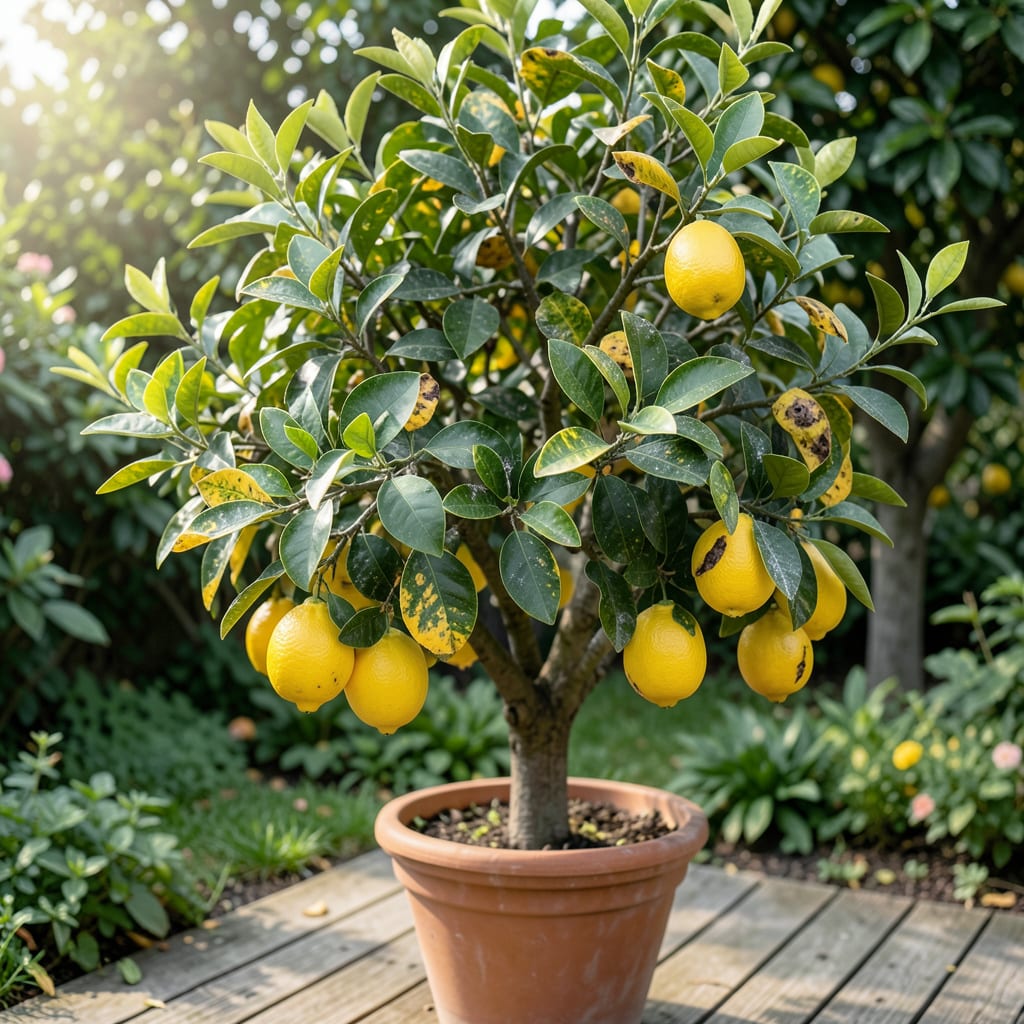
Spotted yellow leaves or weird blotches on your Meyer lemon? I’ve been there—staring at my tree wondering if it’s sick or just thirsty. The difference often shows in the patterns, colors, and where the damage appears.
This visual guide helps you match what you’re seeing to the most common issues. From fungal spots to nutrient deficiencies, early diagnosis means the fix is usually simple. Most problems start small and stay fixable if caught quickly.
You’ll learn which symptoms need pruning, which need spray, and which just need a change in care. No guesswork, just clear steps based on what your tree is telling you.
Works for potted trees, backyard plantings, or any Meyer lemon showing trouble. Let’s identify the issue before it spreads.
Meyer lemon trees are hardy, but they’re not immune to diseases. Understanding the root causes helps you prevent and treat issues effectively. Below are the primary reasons these diseases develop, along with the science behind them.
Fungi like Phytophthora and Alternaria thrive in warm, humid conditions. Overwatering or poor drainage creates the perfect breeding ground, as stagnant moisture weakens the tree’s defenses. Spores spread through wind, rain, or contaminated tools, infecting leaves, fruit, and roots. Actionable tip: Improve airflow and avoid overhead watering to reduce fungal risks.
Pests such as aphids, scale insects, and citrus leafminers damage the tree by piercing tissues or burrowing into leaves. Their feeding creates entry points for secondary infections like sooty mold (a black fungus that grows on honeydew). Actionable tip: Regularly inspect leaves for pests and use horticultural oil or insecticidal soap at first signs.
Extreme temperatures, drought, or nutrient deficiencies stress the tree, making it more susceptible to diseases. For example, citrus canker (caused by Xanthomonas citri) exploits weakened trees. Poor soil quality or improper pH (ideal: 6.0–7.0) can also limit nutrient uptake, further compromising health. Actionable tip: Test soil annually and amend with compost or fertilizers as needed.
Pruning shears, pots, or garden soil can harbor pathogens like Fusarium or Verticillium wilt. These fungi survive in soil for years, infecting new plants through roots or wounds. Actionable tip: Sterilize tools with rubbing alcohol and use pasteurized potting mix for containers.
Tackling Meyer lemon tree diseases early can save your plant and restore its health. Below are targeted solutions for common issues, along with prevention tips to keep your tree thriving. 🌿
Remove infected branches immediately using sterilized pruning shears. Cut at least 4–6 inches below the canker to ensure complete removal. Burn or trash the infected material—do not compost. After pruning, disinfect tools with a 10% bleach solution or rubbing alcohol. To prevent spread, avoid overhead watering and keep the tree dry.
Prevention tip: 💡 Apply copper fungicide spray before the rainy season to create a protective barrier.
For light infestations, gently scrub off scales with a soft toothbrush dipped in soapy water. For heavier outbreaks, use neem oil or insecticidal soap, spraying every 7–10 days until gone. Ladybugs and lacewings are natural predators—encourage them in your garden!
Prevention tip: 🎯 Inspect new plants before bringing them near your Meyer lemon and keep the area free of ants (they protect scales).
If roots are brown and mushy, trim the affected areas and repot the tree in fresh, well-draining soil. Use a terracotta pot with drainage holes to prevent waterlogging. Water only when the top 1–2 inches of soil are dry.
Prevention tip: ✨ Mix perlite or sand into the potting soil to boost drainage and avoid overwatering.
Spray the tree with a strong jet of water to dislodge mites, especially under leaves. Follow up with a miticide or neem oil application. Repeat every 5–7 days until the infestation clears.
Prevention tip: 🌡️ Spider mites thrive in dry conditions—mist your tree regularly or use a humidifier nearby.
Early action is key! Pair these fixes with regular inspections to catch issues before they escalate. 🌱
Look for patterns—uniform yellowing often signals overwatering or nutrient lack. Spotted or mottled yellow with brown edges usually indicates fungal infection or pest damage.
Isolate the tree immediately and remove affected leaves or branches with sterilized shears. Apply appropriate treatment like neem oil or copper fungicide within 24 hours of noticing symptoms.
Possibly, but act fast. Trim all black, mushy roots and repot in fresh, well-draining soil. Reduce watering and place in bright, indirect light. Recovery takes 4-6 weeks if caught early.
