
Beautiful Plants For Your Interior
Beautiful Plants For Your Interior
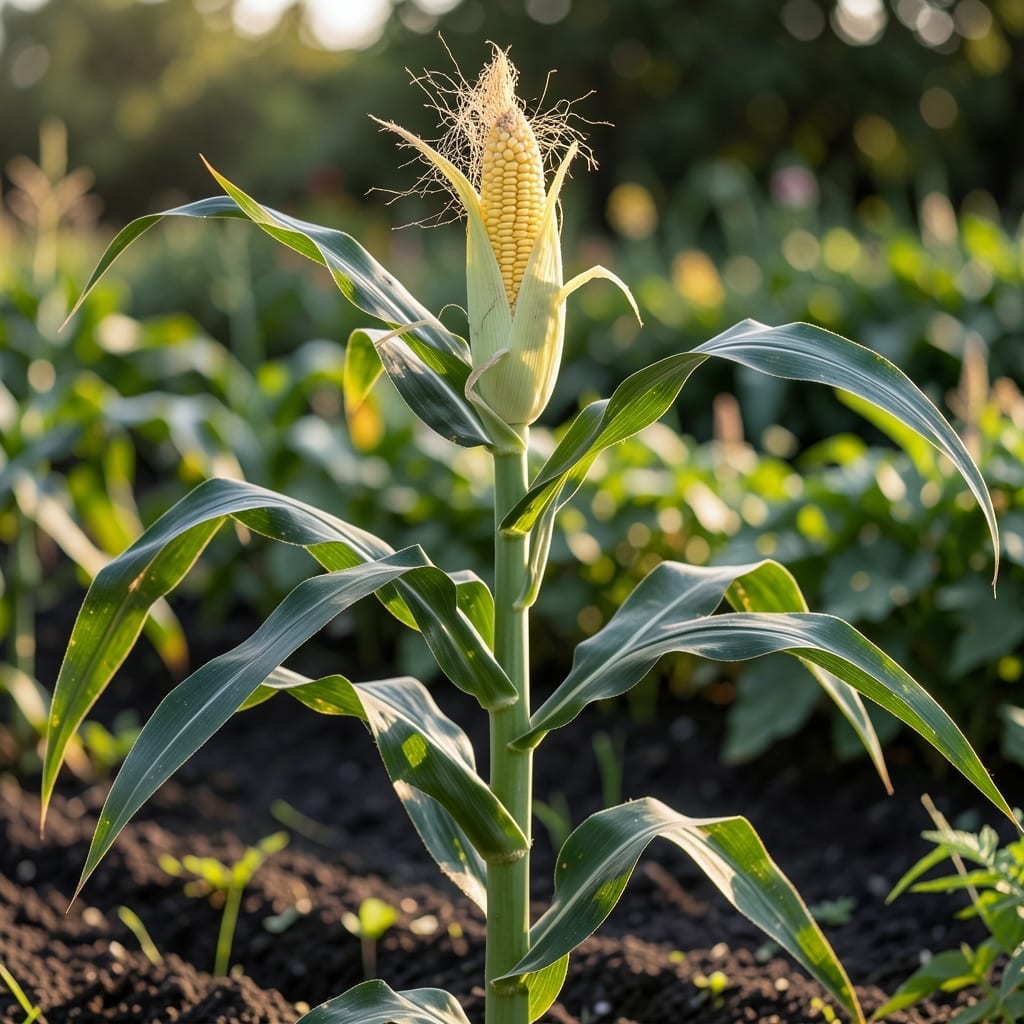
Spotted the first white streaks on your corn leaves? That’s how Mexican corn fungus starts—subtle but destructive if ignored. I’ve lost entire patches to this before learning to catch it early.
It thrives in warm, humid conditions, spreading fast through spores. The key is recognizing the early signs: grayish-white lesions, stunted growth, or that telltale fuzzy coating on leaves and ears.
Natural remedies like neem oil or copper sprays can stop it in its tracks, but timing is everything. Apply at the first sign, and repeat every 7-10 days until it’s gone.
Prevention is simpler than treatment—rotate crops, space plants properly, and keep foliage dry. Here’s how to protect your harvest this season.
The Mexican corn fungus, often called huitlacoche, is caused by the pathogen Ustilago maydis. Several environmental and agricultural factors contribute to its development. Below are the primary causes:
Fungi thrive in nutrient-deficient or overly moist soil. When corn crops grow in poorly drained fields with excessive nitrogen, they become more susceptible to infection. Compacted soil limits root health, making plants weaker and more prone to fungal spores.
Ustilago maydis spreads rapidly in warm, humid climates. Prolonged wet conditions—especially during the corn’s early growth stages—create an ideal environment for spores to germinate and infect the plant. Standing water in fields accelerates this process.
Using contaminated seeds or planting in fields with leftover infected crop residue can introduce the fungus. Spores from previous infections linger in the soil, infecting new plants. Proper crop rotation and seed treatment are critical to breaking this cycle.
Insects like corn borers create entry points for fungal spores by damaging plant tissue. Open wounds from pests allow U. maydis to penetrate the corn, leading to galls (the fungus’s signature black masses). Integrated pest management helps reduce this risk.
Dealing with huitlacoche—the corn fungus also known as Mexican truffle—depends on your goal. If you’re a farmer aiming to prevent crop damage, or a home cook looking to harvest it safely, here’s how to address each cause with practical fixes.
Fix: Rotate crops annually to break the fungus’s life cycle. Avoid planting corn in the same soil year after year. Use fungicide-treated seeds if the infection is recurrent. For organic farms, apply Trichoderma spp. (a beneficial fungus) to outcompete the pathogen.
Prevention: Keep fields clean of corn debris after harvest, as leftover plant matter harbors spores. 💡 Pro tip: Space plants adequately to improve airflow and reduce humidity, which fungi love.
Fix: If you spot early signs (swollen, grayish kernels), remove and burn infected ears to prevent spores from spreading. Do not compost them, as the fungus can survive.
Prevention: Water corn at the base in the morning so foliage dries quickly. Avoid overhead irrigation, which creates a damp environment ideal for fungal growth. ✨ Bonus: Mulch with straw to reduce soil splashing onto leaves.
Fix: If you want the fungus for culinary use, let it mature until kernels turn black and spongy (usually 2–3 weeks after infection). Harvest by cutting off the infected portion with a clean knife.
Prevention: To encourage controlled growth, inoculate a small section of your crop intentionally. Use spores from a trusted source to avoid contaminants. 🎯 Remember: Only consume huitlacoche from pesticide-free corn.
Whether you’re combating or cultivating this unique fungus, early action and smart practices make all the difference!
No, when properly harvested from pesticide-free corn, it’s safe and delicious. Known as huitlacoche in Mexican cuisine, it’s prized for its earthy, umami flavor. Just ensure it’s fully mature and black.
Remove and burn infected ears immediately. Never compost them, as spores survive. Rotate crops yearly and space plants for better airflow.
Yes, but organic options like neem oil or copper sprays work well too. Apply at first signs and repeat every 7-10 days until resolved.
Wait until kernels turn black and spongy, then cut off the infected portion with a clean knife. Use within 2-3 days for best flavor.