
Beautiful Plants For Your Interior
Beautiful Plants For Your Interior
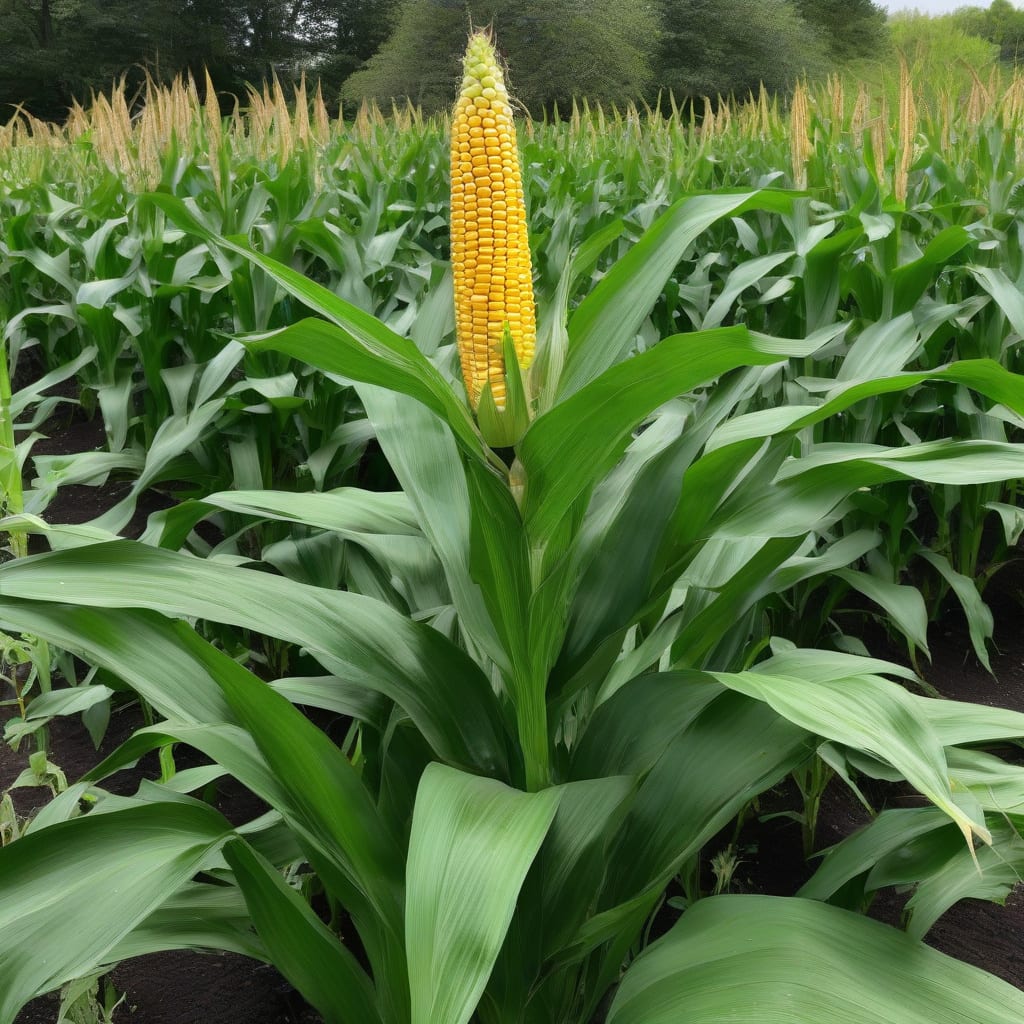
Growing corn 🌽 can be a rewarding experience, but understanding its growth patterns is key to a successful harvest. Corn height is a crucial indicator of its development, and knowing what to expect can help you identify potential issues early.
In USDA zone 6, corn typically grows between 6 to 10 feet tall before harvest. Factors like soil quality, weather, and variety can influence this height, so let’s explore what you need to know to optimize your corn’s growth.


Corn growth is a fascinating process that involves several distinct stages, each with its own characteristics and height expectations. Understanding these stages is crucial for successful cultivation and optimal harvest.
The growth cycle of corn typically spans about 60 to 100 days from planting to harvest, depending on the variety and growing conditions. During this time, corn plants go through various growth stages, including germination, seedling emergence, vegetative growth, tasseling, silking, and grain filling 🌱.
The height of corn plants before harvest can vary significantly based on several factors, including the specific corn variety, growing conditions, and agricultural practices. Generally, most corn varieties reach heights between 6 to 10 feet at maturity.
Understanding these growth stages and height expectations is essential for managing corn crops effectively. By recognizing the different stages of development, farmers and gardeners can make informed decisions about irrigation, fertilization, and pest management, ultimately leading to better crop yields and more successful harvests 🌾.
Corn plants typically reach their maximum height during the tasseling stage, after which they focus their energy on grain development rather than further vertical growth. The final height is influenced by factors such as soil quality, weather conditions, and the specific cultivar being grown.
For gardeners, understanding these height expectations can help in planning garden layouts and managing space effectively. Taller varieties may require additional support to prevent lodging, while shorter varieties might be more suitable for smaller gardens or specific growing conditions.
By monitoring the growth stages and height progression of corn plants, growers can identify potential issues early and take corrective action. This proactive approach can lead to healthier plants, more robust stalks, and ultimately, a more bountiful harvest.
Successful corn cultivation requires a combination of good genetic stock, appropriate growing conditions, and proper management practices. By understanding and managing these factors, growers can optimize their corn’s height and overall performance, leading to better yields and more successful harvests 🌱.
Regular monitoring of corn plants throughout their growth cycle allows growers to make timely interventions when necessary. This might include adjusting irrigation schedules, applying fertilizers, or implementing pest control measures to protect the crop.
By combining knowledge of corn’s growth stages with good agricultural practices, growers can maximize their chances of achieving a healthy and productive corn crop, regardless of the specific variety being grown.
Corn height before harvest is influenced by multiple factors that growers need to understand for successful cultivation. The genetic makeup of the corn variety plays a crucial role in determining its potential height, with different cultivars having varying height characteristics 🌱.
Environmental conditions also significantly impact corn height. Weather patterns, particularly temperature and moisture levels, can either promote or hinder growth. Adequate rainfall and optimal temperatures during the growing season are essential for corn plants to reach their full height potential.
The soil quality is another critical factor affecting corn height. Soil that is rich in nutrients and has good drainage properties supports healthier plant growth. Proper fertilization practices can also contribute to optimal height development by providing essential nutrients 🌾.
Agricultural practices such as planting density can influence corn height. While higher planting densities can sometimes lead to taller plants due to competition for light, overly dense planting can also stress plants and potentially reduce overall height.
Understanding these factors and how they interact is crucial for growers aiming to optimize their corn crop’s height and overall yield. By managing these factors effectively, growers can create conditions that allow their corn plants to reach their full height potential before harvest 🌽.
Regular monitoring of corn plants throughout their growth cycle allows growers to make timely interventions when necessary. This might include adjusting irrigation schedules, applying fertilizers, or implementing pest control measures to protect the crop.
By combining knowledge of these factors with good agricultural practices, growers can maximize their chances of achieving a healthy and productive corn crop, regardless of the specific variety being grown.
To achieve maximum corn height and better harvests, several key factors need to be optimized. First, proper planting density is crucial – planting too close together can stress plants, while too much space can reduce yields 🌽.
Plant corn in rows 30 inches apart with 8-12 inch spacing between plants for optimal growth.
Use balanced fertilizers (e.g., 10-10-10 NPK) during the growing season, applying when plants are about 6 inches tall.
Maintain consistent moisture, especially during tasseling and silking stages, aiming for 1-2 inches of water per week.
By implementing these strategies, growers can create optimal conditions for their corn plants to reach their full height potential, typically between 6 to 10 feet before harvest 🌾.
Regular monitoring of corn plants throughout their growth cycle is essential. This allows growers to make timely interventions, such as adjusting irrigation schedules or applying additional nutrients as needed.
Combining these expert tips with good agricultural practices will help maximize the chances of achieving a healthy and productive corn crop, leading to better yields and more successful harvests 🌱.
