
Beautiful Plants For Your Interior
Beautiful Plants For Your Interior
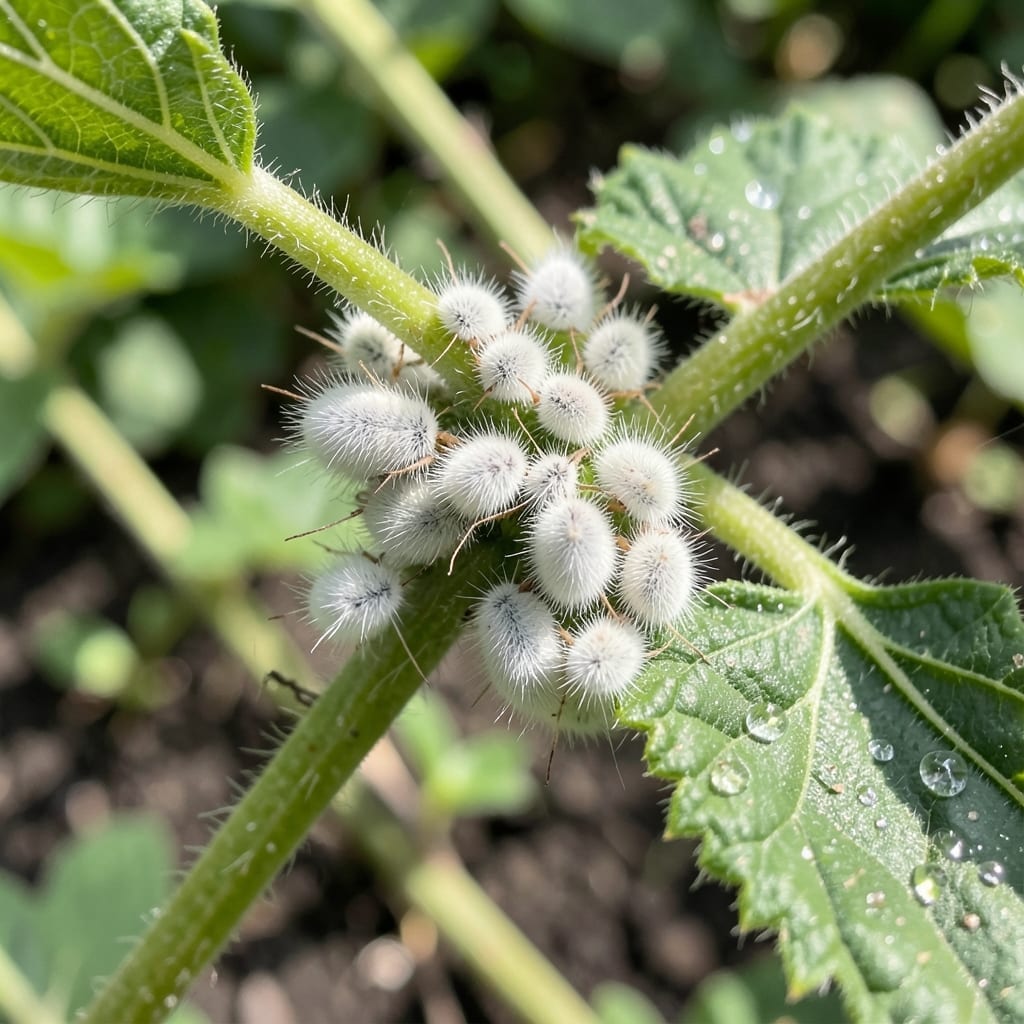
White cottony clusters on your vines aren’t just unsightly—they’re stealing your plants’ lifeblood. I lost three clematis before learning how to spot mealybugs early and stop their spread.
These pests thrive in hidden spots, sucking sap and leaving behind sticky residue. The key is catching them before they multiply. A simple cotton swab test confirms their presence instantly.
Natural removal works surprisingly well. A 50/50 water-alcohol spray dissolves their protective coating, while ladybugs devour them naturally. Consistency beats any single treatment.
Monitor weekly during warm months. Healthy vines rebound quickly once the infestation clears, often showing new growth within 7-10 days.
Mealybugs thrive on vines due to a mix of environmental and plant health factors. Understanding these triggers helps you prevent outbreaks before they start.
Mealybugs reproduce rapidly in warm climates (70–90°F) with low humidity. Dry air weakens vines, making them more susceptible to infestation. These pests also prefer stagnant air, which is common in dense foliage or greenhouse settings.
Excess nitrogen in soil promotes soft, new growth—a mealybug favorite. Over-fertilized vines produce tender leaves and stems that are easier for mealybugs to pierce and feed on. Balance nutrients to avoid creating a buffet for pests.
Dead leaves, fallen fruit, or weeds around vines provide hiding spots and food sources for mealybugs. These pests also spread via contaminated tools or pots. Regularly clean garden debris and sanitize equipment to disrupt their lifecycle.
Vines under stress from drought, disease, or root damage emit chemical signals that attract mealybugs. A healthy plant with strong cell walls is better at resisting infestations. Ensure proper watering and pest monitoring to keep vines resilient.
Mealybugs can be stubborn, but these targeted fixes will help you reclaim your vines. Start by addressing the root causes and applying practical solutions.
Mealbugs thrive in dense, humid environments. Prune excess foliage to improve airflow and reduce hiding spots. Use clean, sharp shears to remove affected stems, and dispose of them in sealed bags to prevent reinfestation.
Fallen leaves and plant debris create breeding grounds. Clear the area around your vines weekly, and avoid composting infested material. A quick cleanup can break the mealybug lifecycle.
Stressed vines attract pests. Boost plant health with balanced fertilizer and proper watering. Avoid over-fertilizing, as soft new growth is a mealybug magnet.
For active outbreaks, use neem oil or insecticidal soap. Mix 1 tbsp of mild soap with 1 quart of water, and spray directly on bugs. Reapply every 3–4 days until they’re gone. Test on a small area first!
Prevention Tips:
Look for white cottony clusters in leaf axils and stem joints. A cotton swab dipped in rubbing alcohol can confirm their presence when wiped on suspicious spots.
Yes, they sap plant strength by feeding on juices and excreting honeydew, which attracts sooty mold. Left unchecked, severe infestations can stunt growth or kill vines.
While effective, chemicals can harm beneficial insects and the environment. Start with natural options like neem oil or insecticidal soap before considering stronger treatments.