
Beautiful Plants For Your Interior
Beautiful Plants For Your Interior
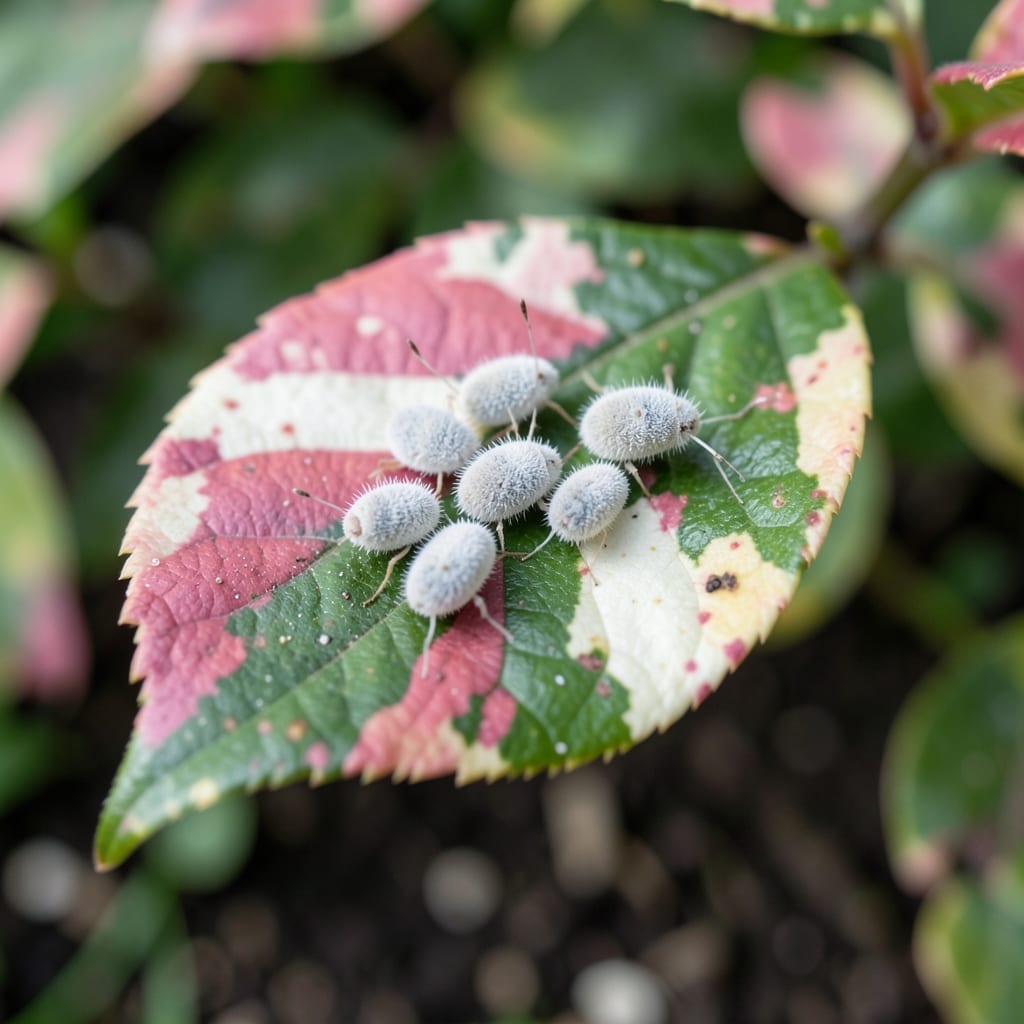
White cottony clusters on your tricolored beech leaves aren’t just unsightly—they’re stealing your tree’s vitality. I’ve battled these pests on my own beech, and the damage adds up fast if left unchecked.
Mealybugs drain sap, weaken growth, and leave behind sticky residue that attracts mold. The good news? They’re treatable with targeted sprays and natural predators. Early action saves your tree from long-term stress and leaf drop.
With consistent treatment, you’ll see new growth return to its vibrant pink, white, and green within weeks. The key is catching them before they spread to every branch and leaf.
Works for young saplings and mature trees alike. Here’s how to reclaim your beech’s health.
Mealybugs thrive on tricolored beech trees due to a mix of environmental and biological factors. Understanding these causes helps prevent and control infestations effectively.
Tricolored beeches grown in dense, poorly ventilated areas are more susceptible to mealybugs. Stress from overcrowding, nutrient deficiencies, or drought weakens the tree’s natural defenses, making it an easy target. Mealybugs exploit this vulnerability, feeding on the sap and spreading rapidly across stressed foliage.
In balanced ecosystems, ladybugs, lacewings, and parasitic wasps keep mealybug populations in check. However, in urban or landscaped settings, these predators may be absent. Without them, mealybugs multiply unchecked, especially on the undersides of leaves and in protected bark crevices of tricolored beeches.
Mealybugs flourish in high-humidity environments, which are common in shaded or poorly drained areas where tricolored beeches are often planted. Excess moisture not only encourages their reproduction but also promotes fungal growth, which can further stress the tree and attract more pests.
Improper pruning, over-fertilization (especially with nitrogen-heavy formulas), or inconsistent watering can create ideal conditions for mealybugs. Over-fertilized trees produce soft, succulent growth that mealybugs find irresistible, while erratic watering stresses the plant, reducing its resilience.
Mealybugs can be stubborn, but these targeted solutions will help you reclaim your tricolored beech’s health. Address the issue based on its severity and your preferred method—natural or chemical.
For small outbreaks, handpicking or wiping mealybugs off with a cotton swab dipped in rubbing alcohol (70%) works well. Focus on leaf undersides, stems, and bark crevices where they hide. Repeat every 3–4 days to catch new hatchlings.
Insecticidal soap or neem oil disrupts mealybugs’ protective coating. Mix 1 tbsp soap per quart of water or follow neem oil label instructions. Spray thoroughly in the evening to avoid leaf burn, and reapply weekly until gone. Pro tip 💡: Add a drop of dish soap to help the solution stick.
If natural methods fail, use a systemic insecticide like imidacloprid (soil drench) or acephate (foliar spray). These are absorbed by the plant, killing mealybugs as they feed. Always follow label rates and avoid spraying near water sources. Not for organic gardens.
Remember: Consistency is key—mealybugs reproduce quickly, so stick with your chosen method until they’re fully eradicated!
Check the undersides of leaves and bark crevices for white, cottony clusters. Use a magnifying glass for tiny nymphs, which look like small white dots. Early detection prevents rapid spreading.
Mealybugs rarely kill mature trees but can severely weaken them. They drain sap, cause leaf drop, and promote sooty mold. Young or stressed trees are at higher risk and need immediate treatment.
Yes! A 50/50 mix of water and rubbing alcohol (70%) works well for spot treatment. Dab it directly on mealybugs with a cotton swab. Avoid spraying in full sun to prevent leaf burn.