
Beautiful Plants For Your Interior
Beautiful Plants For Your Interior
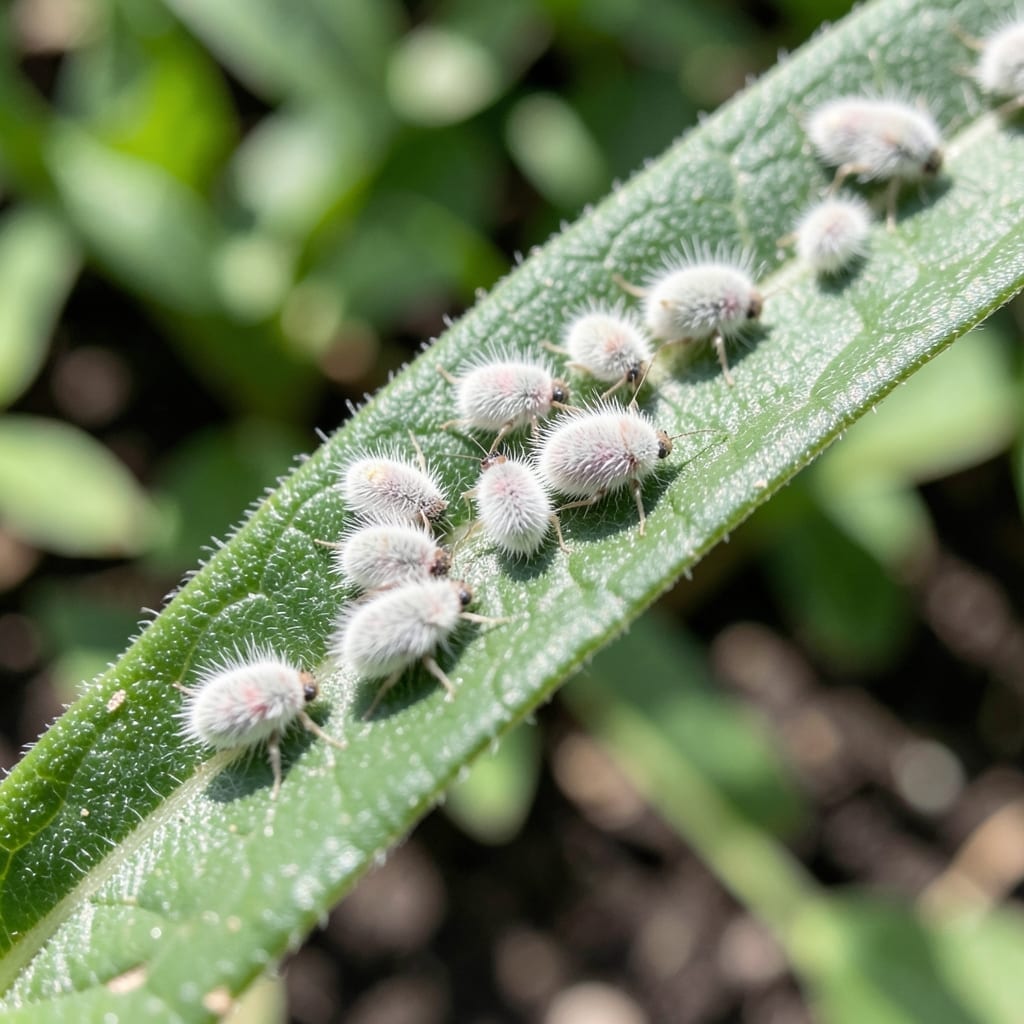
Those white cottony spots on your ruellia aren’t just ugly—they’re mealybugs draining your plants. I lost half my garden to these pests before learning the foolproof removal method.
Mealybugs spread fast, especially in warm weather, and they love ruellia’s tender new growth. Left unchecked, they’ll stunt your plants and spread to neighbors. The good news? You can stop them without harsh chemicals.
A little vigilance and the right approach brings ruellia back to its vibrant green self. The key is catching them early—before they multiply into a full-blown infestation.
Works for potted or in-ground ruellia, and keeps your garden thriving naturally. Here’s how to take back control.
Mealybugs thrive on Ruellia plants due to a combination of environmental and cultural factors. Understanding these causes helps you prevent future outbreaks and protect your garden. Below are the most common triggers behind their appearance.
Mealybugs flourish in warm, low-humidity environments. When temperatures rise above 80°F (27°C) and humidity drops, these pests reproduce rapidly. Ruellia, often grown in sunny or semi-arid climates, can become a prime target if not properly monitored.
While Ruellia is drought-tolerant, excess moisture (especially in poorly draining soil) creates stress. Stressed plants release volatile organic compounds that attract mealybugs. Additionally, soggy roots weaken the plant’s natural defenses, making it more susceptible to infestation.
High-nitrogen fertilizers promote lush, soft growth—the perfect food source for mealybugs. These pests are drawn to the tender new shoots and leaves that result from excessive nitrogen. Balance your fertilization with phosphorus and potassium to strengthen plant resilience.
In a healthy ecosystem, ladybugs, lacewings, and parasitic wasps keep mealybug populations in check. If your garden lacks these beneficial insects (due to pesticide use or monoculture planting), mealybugs can multiply unchecked. Encourage biodiversity to restore this natural balance.
Dense plantings or crowded garden beds trap humidity and reduce airflow, creating ideal conditions for mealybugs. Ensure adequate spacing between Ruellia plants and prune regularly to improve ventilation and deter infestations.
Mealybugs can be stubborn, but these practical solutions will help you reclaim your ruellia’s health. Start by isolating infested plants to prevent the pests from spreading. Then, tackle the problem with targeted fixes based on the severity of the infestation.
For small outbreaks, a hands-on approach works best. Dip a cotton swab in rubbing alcohol (70% isopropyl) and gently dab each mealybug. The alcohol dissolves their protective coating, killing them on contact. Wipe down leaves and stems thoroughly, and repeat every few days until the pests are gone. 💡 Pro tip: Test the alcohol on a small leaf area first to check for plant sensitivity.
For larger clusters, use a neem oil solution or insecticidal soap. Mix 1 tablespoon of neem oil with 1 quart of water and a few drops of dish soap, then spray evenly over the plant, focusing on leaf undersides and stems. Repeat every 5–7 days. Insecticidal soap (1–2 tablespoons per quart of water) also disrupts mealybugs’ cell membranes but may require reapplication after rain.
If mealybugs persist, a systemic insecticide (like imidacloprid) can be applied to the soil. The plant absorbs the treatment, making it toxic to pests feeding on it. Follow label instructions carefully, as overuse can harm beneficial insects. ⚠️ Avoid systemic treatments if pollinators frequent your garden.
Look for white, cottony clusters on stems, leaves, and leaf axils. These pests often hide in crevices and undersides of foliage. A closer look reveals tiny, oval, soft-bodied insects covered in a waxy coating.
Dish soap alone isn’t strong enough. Mix 1-2 tablespoons with 1 quart of water for an effective insecticidal spray. Apply directly to mealybugs, focusing on hidden areas, and reapply every 5-7 days.
Yes, they spread quickly, especially in warm, dry conditions. Isolate infested ruellia immediately and inspect neighboring plants. Regularly check new growth, as mealybugs target tender shoots first.