
Beautiful Plants For Your Interior
Beautiful Plants For Your Interior
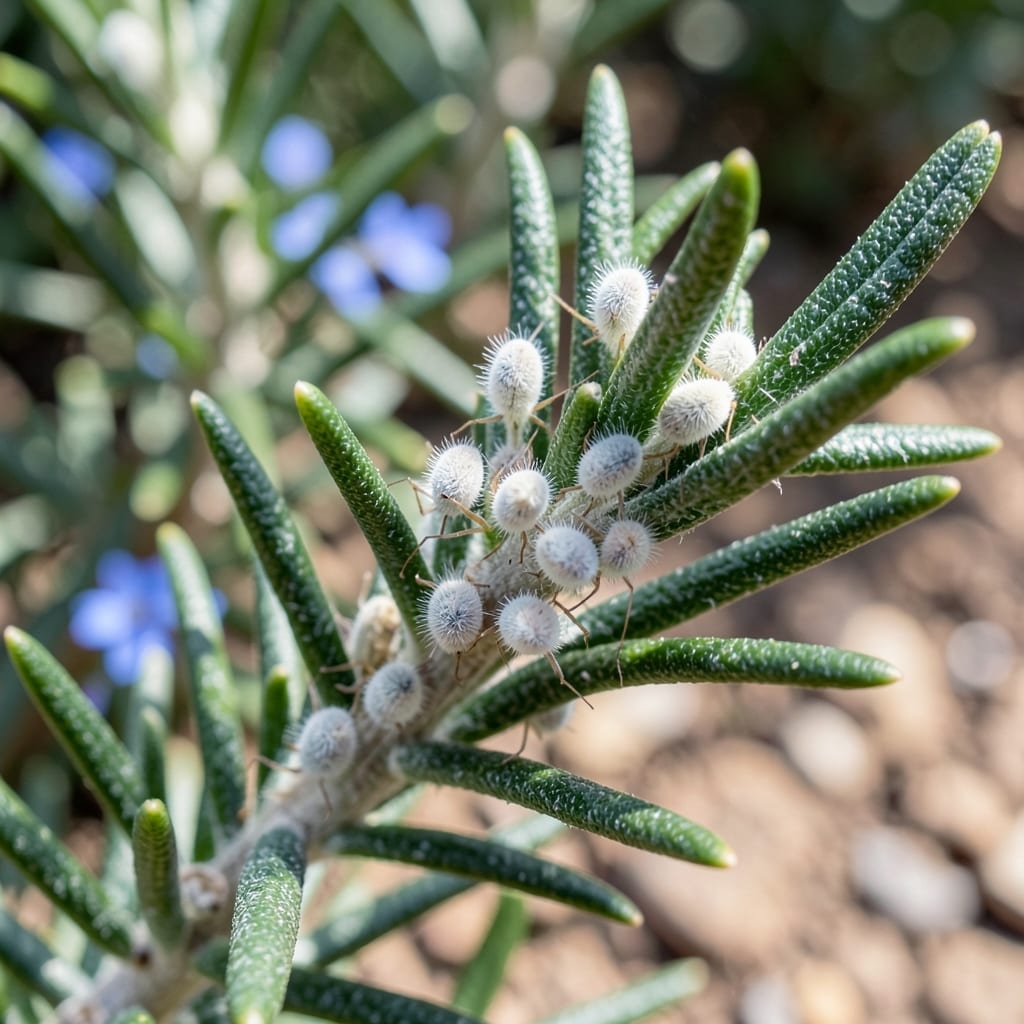
White fluff on your rosemary isn’t just unsightly—it’s a mealybug party. I’ve battled these pests on my herb garden for years, and the organic solutions actually work better than harsh chemicals.
These bugs thrive in dry, crowded conditions, but they hate moisture and airflow. A simple spray bottle and consistent checks can stop an infestation before it spreads to nearby plants.
Within 2-3 weeks of treatment, your rosemary will bounce back with fragrant new growth. The key is persistence—mealybugs are stubborn but beatable without harming your herbs.
Works for potted rosemary, in-ground plants, or even indoor windowsill herbs. Here’s the exact method I use every season.
Mealybugs on rosemary often appear due to specific environmental or care-related triggers. Understanding these causes helps prevent future infestations and keeps your herb garden thriving.
Rosemary prefers well-drained soil, but prolonged dryness stresses the plant, making it vulnerable to pests. Mealybugs thrive in dry, warm environments, and drought-stressed rosemary emits chemical signals that attract them. Regular, moderate watering—especially during hot spells—discourages these pests by maintaining plant vigor.
Dense foliage or crowded plantings create stagnant air pockets, which mealybugs love. Rosemary grown in tight spaces or without pruning often develops hidden infestations. Ensure 12–18 inches of spacing between plants and prune regularly to improve airflow and reduce hiding spots for pests.
Excess nitrogen from heavy fertilization promotes soft, succulent growth—a mealybug favorite. Rosemary is a hardy herb that thrives in lean soil. Over-fertilizing, especially with high-nitrogen blends, weakens its natural defenses. Use a balanced, low-nitrogen fertilizer sparingly, or opt for compost to maintain plant health without inviting pests.
Mealybugs often hitch a ride on newly purchased or gifted plants. If you’ve recently added rosemary or other herbs to your garden, they may have carried mealybugs. Always inspect new plants thoroughly and quarantine them for 1–2 weeks before introducing them to your garden to prevent contamination.
Mealybugs can be persistent, but these targeted solutions will help you reclaim your rosemary without harsh chemicals. Start by isolating the affected plant to prevent the pests from spreading to others in your garden.
If you spot mealybugs early, a simple cotton swab dipped in rubbing alcohol (70% isopropyl) can do the trick. Gently dab each bug to dissolve its protective waxy coating and kill it. For clusters, use a soft toothbrush soaked in the same solution to dislodge them. Repeat every few days until the plant is clear.
Mix 1 tablespoon of insecticidal soap with 1 quart of water and spray it directly onto the mealybugs, focusing on the undersides of leaves and stem crevices where they hide. Reapply every 4–7 days for 2–3 weeks. Pro tip: 💡 Test the spray on a small section of your rosemary first to ensure it doesn’t cause leaf burn.
Introduce ladybugs, lacewings, or parasitic wasps to your garden—they’re natural mealybug hunters. To encourage them, plant companion flowers like marigolds or alyssum nearby. This creates a balanced ecosystem that deters future infestations.
Consistency is key—combine these methods for the best results and enjoy a healthy, mealybug-free herb garden!
Inspect your plant weekly in warm, dry weather. Mealybugs multiply quickly in these conditions, so early detection prevents major outbreaks.
Avoid vinegar—it can harm rosemary leaves. Stick to rubbing alcohol or insecticidal soap for safe, effective treatment without plant damage.
Yes, they move easily between plants. Isolate infested rosemary immediately and treat nearby herbs as a precaution to contain the problem.
With consistent application, you’ll see improvement in 1-2 weeks. Full eradication may take 3-4 weeks depending on infestation severity.