
Beautiful Plants For Your Interior
Beautiful Plants For Your Interior
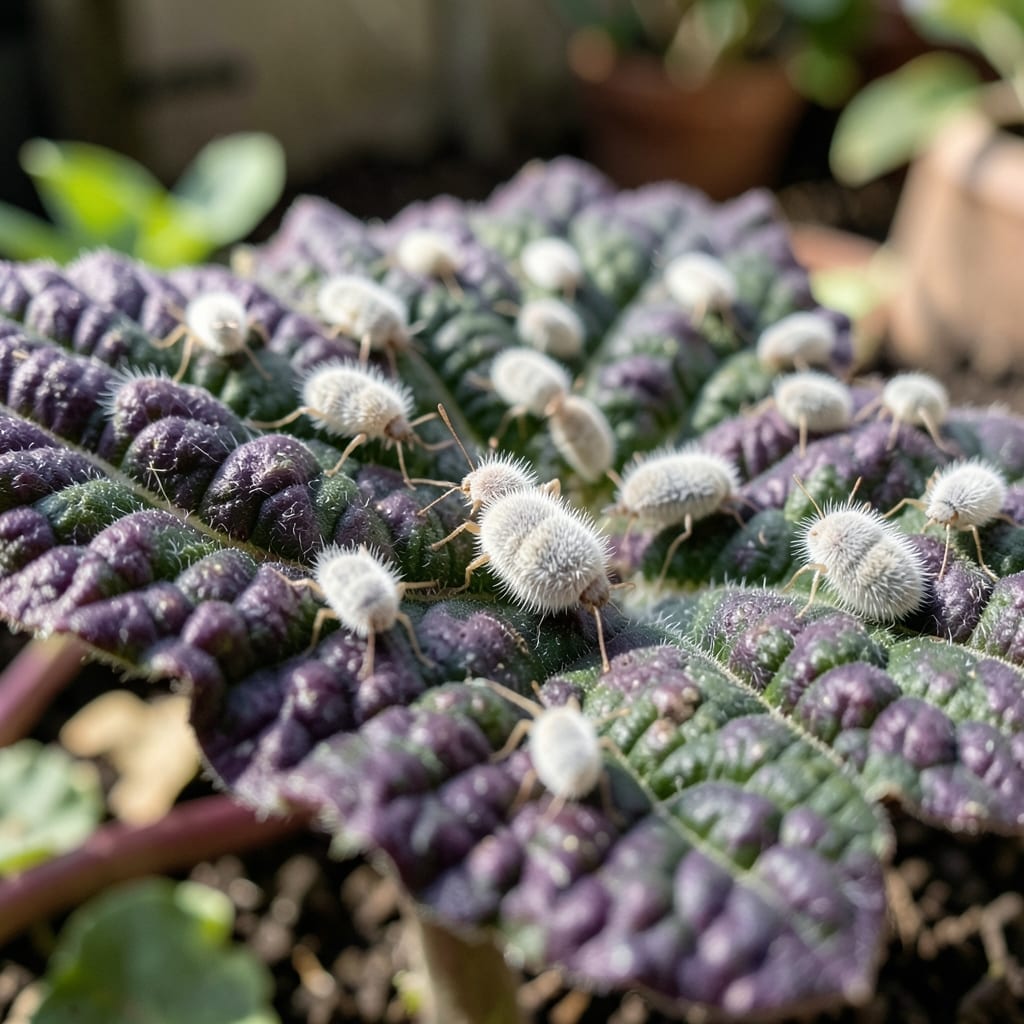
White cottony clusters on your purple waffle plant mean trouble. 🌿 I first noticed the telltale fluff in the leaf axils, then the stunted growth and yellowing leaves that follow a mealybug infestation.
These pests thrive in warm, humid conditions—exactly what purple waffle plants love. Left unchecked, they’ll spread to every stem and leaf, draining your plant’s vitality and leaving it vulnerable to disease.
Here’s the thing—organic solutions work better than chemicals for these delicate plants. A targeted approach with rubbing alcohol, neem oil, or insecticidal soap can eradicate the pests without harming your purple waffle.
Regular inspections and proper plant care are your best defense. Healthy, vibrant plants resist pests naturally, so maintaining ideal growing conditions is key to prevention.
Mealybugs thrive on Hemigraphis alternata (purple waffle) due to a combination of environmental and plant-specific factors. Understanding these triggers helps prevent and manage outbreaks effectively.
Dense plantings or cramped growing spaces restrict airflow, creating a humid microclimate that mealybugs love. Purple waffle’s lush, trailing habit can worsen this if left unpruned. Action: Space plants 12–18 inches apart and trim regularly to improve ventilation.
Overwatering or high humidity (above 60%) weakens purple waffle’s defenses, making it susceptible to pests. Mealybugs are drawn to soft, waterlogged tissues. Action: Water only when the top inch of soil is dry, and use a well-draining potting mix.
Purple waffle prefers 65–80°F. Extreme heat or cold stresses the plant, reducing its resistance to pests. Mealybugs reproduce faster in warm, stable conditions. Action: Maintain consistent temperatures and avoid drafts or direct heat sources.
Over-fertilizing with nitrogen creates tender new growth—a mealybug magnet. Conversely, weak or nutrient-deficient plants lack vigor to fend off infestations. Action: Use a balanced, slow-release fertilizer and avoid overfeeding.
In outdoor ponds or gardens, mealybugs flourish when beneficial insects (e.g., ladybugs, lacewings) are absent. Indoor purple waffle plants often lack these predators entirely. Action: Introduce natural enemies or use neem oil to disrupt mealybug life cycles.
Tackling mealybugs on your purple waffle plants starts with isolating the affected plant to prevent spreading. Here’s how to fix common causes and reclaim your plant’s health:
For early or mild cases, dip a cotton swab in 70% isopropyl alcohol and gently dab each mealybug. The alcohol dissolves their protective waxy coating, killing them on contact. Repeat every few days until no bugs remain. Pro tip: 💡 Check leaf axils and undersides—mealybugs love hiding in these cozy spots!
Mix 1 teaspoon of neem oil + 1 teaspoon of mild dish soap + 1 liter of water in a spray bottle. Lightly mist the entire plant, focusing on clusters of bugs. Reapply weekly for 3–4 weeks to break the pest’s life cycle. Note: Always test sprays on a small leaf area first to avoid damage.
Mealybugs in the soil? Use a hydrogen peroxide solution (1 part 3% peroxide to 4 parts water) to drench the soil. This oxygenates the roots and kills lurking pests. Do this once a week for two weeks, then monitor.
Consistency is key! Combine treatments with prevention to keep your purple waffle plant thriving. 🌱
Look for white cottony clusters in leaf axils and stem joints. Yellowing leaves and stunted growth often appear next. Check undersides of leaves weekly for best results.
Dish soap can help but works best mixed with neem oil or water. Use 1 teaspoon of mild soap per 1 liter of water for a gentle, effective spray.
A hydrogen peroxide solution (1:4 ratio with water) oxygenates roots and kills pests safely. Apply once weekly for 2 weeks, then monitor.
Yes, they spread quickly through contact. Isolate infested plants immediately and avoid touching healthy ones after handling affected leaves.