
Beautiful Plants For Your Interior
Beautiful Plants For Your Interior
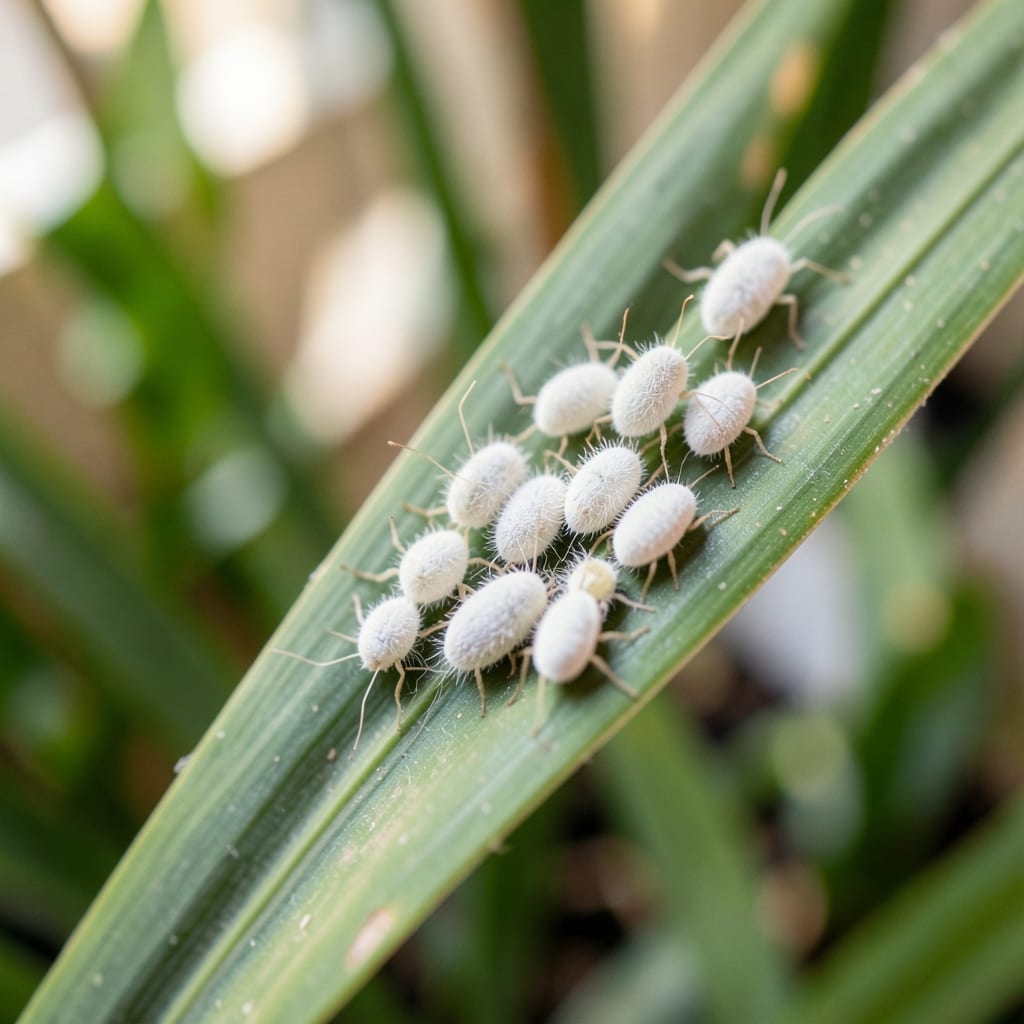
Those white cottony clusters on your ponytail palm aren’t lint—they’re mealybugs. 🌱 I first noticed them on mine last winter, clustered in the leaf axils where the fronds meet the trunk.
Left unchecked, they’ll weaken your plant, stunt its growth, and spread to nearby houseplants. The good news? They’re easy to spot and even easier to remove with the right approach.
You’ll learn to identify them by their waxy coating and slow movement, then treat them with targeted wipes or sprays that won’t harm your palm.
Prevention is simple: inspect new plants, keep humidity moderate, and clean leaves regularly. Your palm will thank you.
Mealybugs thrive on ponytail palms due to a mix of environmental and plant-health factors. Below are the most common causes, each with actionable insights to help you prevent future outbreaks.
Ponytail palms (Beaucarnea recurvata) store water in their thick trunks, making them highly susceptible to root rot in soggy soil. Mealybugs are drawn to stressed plants, and waterlogged roots weaken the palm’s natural defenses. Ensure your pot has drainage holes and use a well-draining cactus/succulent mix to avoid creating a mealybug-friendly environment.
Insufficient light slows the plant’s metabolism, reducing its ability to produce protective compounds like terpenes, which can deter pests. Mealybugs exploit this vulnerability, targeting the plant’s tender new growth. Place your ponytail palm in bright, indirect light (4–6 hours daily) to maintain its vigor and resistance.
Stagnant air traps humidity around the plant, creating a prime habitat for mealybugs to multiply. These pests spread quickly in still conditions, especially in crowded indoor spaces. Use a small fan or space plants apart to improve airflow and discourage infestations.
Excess nitrogen from heavy feeding promotes soft, succulent growth—mealybugs’ favorite food. Ponytail palms are light feeders; fertilize sparingly (once every 2–3 months in growing season) with a balanced, diluted solution to avoid attracting pests.
Dealing with mealybugs on your ponytail palm? Here’s how to tackle each issue and prevent future infestations.
For a few visible bugs, dip a cotton swab in rubbing alcohol (70% isopropyl) and gently dab each mealybug. The alcohol dissolves their protective coating, killing them on contact. Repeat every 2-3 days until gone. Pro tip: Test alcohol on a small leaf area first to check for sensitivity.
If bugs cover stems or leaf bases, use insecticidal soap or neem oil. Spray thoroughly, focusing on crevices where mealybugs hide. Reapply every 5-7 days for 2-3 weeks to break their life cycle. 💡 Avoid harsh chemicals—ponytail palms are sensitive!
For severe cases, isolate the plant and repot it in fresh, sterile soil. Remove all visible bugs manually, then treat the roots with a systemic granule (like imidacloprid) for long-term protection. Discard the old soil to prevent reinfestation.
Stay consistent, and your palm will bounce back! ✨
Look for white, cottony clusters in leaf axils or along stems. They move slowly and leave behind a sticky residue called honeydew.
Yes, a mild insecticidal soap works well. Mix 1 teaspoon of dish soap with 1 liter of water and spray thoroughly. Reapply weekly.
Isolate infested plants immediately and check nearby ones. Mealybugs crawl or hitch rides on tools and hands.
Check weekly, focusing on hidden areas like leaf bases and trunk crevices. Early detection makes treatment much easier.