
Beautiful Plants For Your Interior
Beautiful Plants For Your Interior
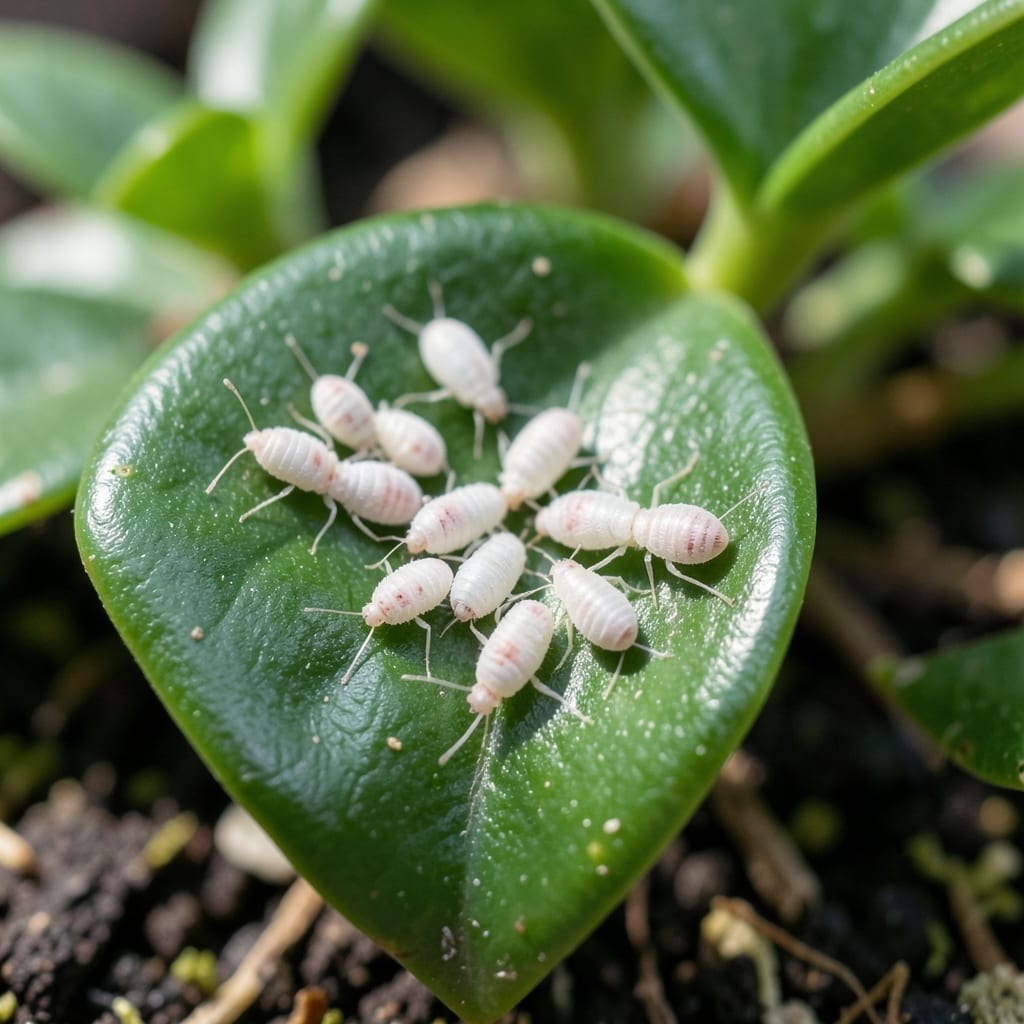
White cottony clusters on your peperomia leaves mean mealybugs have moved in. These pests spread fast and weaken plants, but I’ve stopped them in their tracks with simple, organic methods.
Early signs are sticky residue, yellowing leaves, or tiny white spots in leaf axils. I missed these once and lost two plants—now I check weekly. The fix involves isolating the plant and using targeted treatments.
Within 2 weeks, you’ll see new growth replacing damaged foliage. The key is consistency: repeat treatments every 5-7 days until the bugs are gone for good.
Works for all peperomia varieties, from trailing types to compact bush forms. Here’s how to reclaim your plant’s healthy glow.
Mealybugs thrive on Peperomia plants due to a few key environmental and care-related factors. Understanding these triggers helps prevent outbreaks before they start.
These pests favor extremes. Low humidity (below 40%) weakens Peperomia’s natural defenses, while excessive moisture (above 60%) creates an ideal breeding ground. Mealybugs reproduce rapidly in stagnant, humid air, especially in crowded plant groupings where airflow is poor.
Dead leaves, dusty foliage, or leftover debris on soil surfaces provide hiding spots and food sources. Mealybugs are drawn to decaying organic matter, which also attracts ants—natural mealybug protectors that farm them for honeydew.
Stressed Peperomia plants are more susceptible. Overwatering leads to root rot, emitting signals that attract mealybugs. Conversely, underwatering causes drought stress, reducing the plant’s ability to produce defensive compounds like terpenes.
Mealybugs often hitchhike via unsterilized potting mix, reused pots, or shared gardening tools. They lay eggs in soil, which hatch when conditions warm up, quickly infesting healthy plants.
Actionable tip: Quarantine new plants for 2–3 weeks and sterilize tools with rubbing alcohol to break the pest cycle.
Mealybugs can be stubborn, but these targeted solutions will help you reclaim your peperomia’s health. Address the issue early to prevent spreading.
If you spot mealybugs early, physically removing them works well. Dip a cotton swab in rubbing alcohol (70% isopropyl) and gently dab each bug. The alcohol dissolves their protective waxy coating, killing them on contact. For clusters, use a soft toothbrush dipped in soapy water to dislodge them. Pro tip 💡: Check leaf axils, stems, and the undersides of leaves—these are their favorite hiding spots.
Mix 1 teaspoon of mild liquid soap (like Castile soap) with 1 liter of water and spray the entire plant, focusing on affected areas. The soap disrupts the bugs’ cell membranes, dehydrating them. Repeat every 3–4 days for 2 weeks to break their life cycle. Rinse the plant 🌿 with clean water after 1–2 hours to avoid soap residue buildup.
Introduce beneficial insects like ladybugs or lacewings to your plant’s environment. These predators feed on mealybugs and can provide long-term control. Best for outdoor peperomias or greenhouses. Pro tip 🎯: Release predators in the evening when mealybugs are most active.
Consistency is key! Combine methods for the best results and keep your peperomia thriving. 🌱
Look for white cottony clusters in leaf axils and sticky residue on leaves. Early detection prevents rapid spreading.
Yes! Mix 1 teaspoon neem oil with 1 liter water and ½ teaspoon soap. Spray weekly for 3-4 weeks to disrupt their life cycle.
No, if used correctly. Apply 70% isopropyl directly to bugs with a cotton swab, avoiding excessive contact with leaves.
Isolate infested plants immediately and inspect nearby ones. These pests spread quickly through direct contact or airborne movement.