
Beautiful Plants For Your Interior
Beautiful Plants For Your Interior
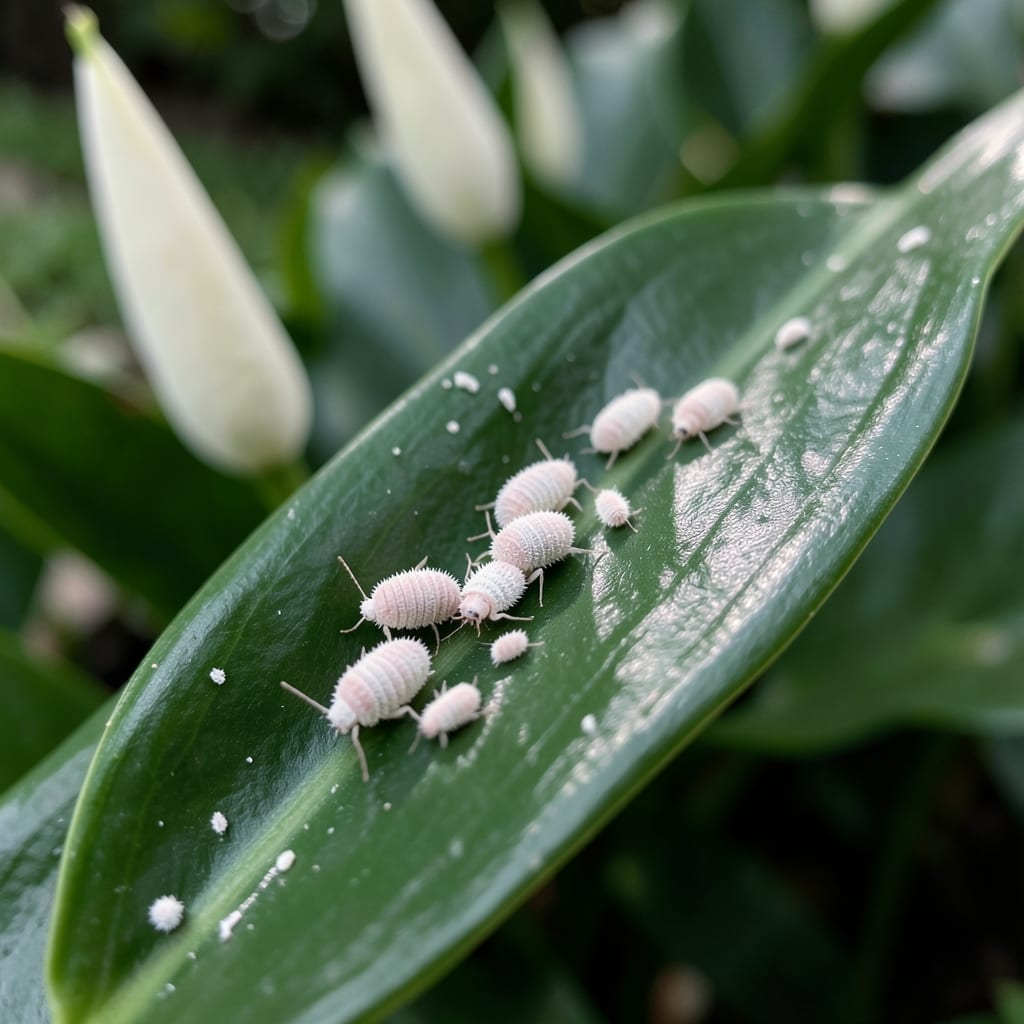
White cottony spots on your peace lily mean mealybugs have moved in. I’ve battled these pests more times than I’d like to admit, but the solution is simpler than you think.
These bugs thrive in dry conditions and crowded leaves, so the first step is isolating the plant. A quick wipe with alcohol on a cotton ball removes visible pests without harsh chemicals.
Within 2-3 weeks, new growth emerges healthy and pest-free. The key is consistency—check the undersides of leaves weekly and keep humidity up to prevent future outbreaks.
Works for any indoor space, from bright windowsills to office corners. Here’s how to reclaim your plant.
Mealybugs thrive on peace lilies due to a combination of environmental and plant-health factors. Understanding these triggers helps prevent infestations before they start.
Mealybugs flourish in low-humidity environments (below 40%) and temperatures between 70–80°F (21–27°C). Peace lilies, native to tropical rainforests, suffer stress in dry indoor air, making them vulnerable. Their waxy coating also retains moisture poorly, creating an ideal breeding ground for these pests.
Soggy soil weakens a peace lily’s roots, reducing its ability to fend off pests. Mealybugs are drawn to stressed plants with compromised defenses. Ensure pots have drainage holes and water only when the top inch of soil is dry to avoid creating a damp, pest-friendly habitat.
Dense foliage traps humidity and limits airflow, while dusty leaves provide hiding spots for mealybugs. Regularly wipe leaves with a damp cloth and prune yellowing or overgrown stems to improve ventilation and deter infestations.
Excess nitrogen (from over-fertilizing) promotes soft, succulent growth—a mealybug favorite. Conversely, potassium-deficient plants lack pest resistance. Use a balanced, water-soluble fertilizer (e.g., 10-10-10) and avoid overfeeding to maintain plant vigor.
Dealing with mealybugs on your peace lily doesn’t have to be a battle. Here’s how to tackle each issue with simple, effective fixes:
If you spot a few mealybugs early, act fast. Dip a cotton swab in rubbing alcohol (70% isopropyl) and gently dab each bug. The alcohol dissolves their protective waxy coating, killing them on contact. For clusters, use a soft toothbrush dipped in soapy water to dislodge them. Prevention tip: Inspect new plants before bringing them near your peace lily to avoid spreading pests. 💡
For larger outbreaks, mix 1 teaspoon of neem oil + 1 teaspoon of mild dish soap in 1 liter of water. Spray the solution evenly over leaves, stems, and soil (mealybugs hide everywhere!). Reapply every 5–7 days until gone. Prevention tip: Quarantine infested plants and prune heavily affected leaves to stop the spread. ✨
Mealybugs in the soil? Flush them out with a soil drench. Mix 1 tablespoon of insecticidal soap per quart of water and pour it through the pot until it drains from the bottom. Repeat weekly for 3–4 weeks. Prevention tip: Repot your peace lily with fresh, sterile soil if the infestation persists. 🎯
Healthy plants resist pests better. Keep your peace lily thriving with bright, indirect light, consistent watering (let soil dry slightly between waterings), and monthly fertilizing during growing season. Prevention tip: Wipe leaves regularly with a damp cloth to remove dust and deter pests. 🌡️
Look for white, cottony clusters in leaf axils or undersides. These pests resemble tiny cotton balls and leave behind a sticky residue called honeydew.
Yes, mix 1 teaspoon of mild dish soap in 1 liter of water and spray affected areas. Reapply every 5–7 days until the infestation clears.
Isolate your peace lily immediately and inspect nearby plants. Mealybugs crawl or spread via airborne currents, so act fast to prevent contamination.
Inspect your peace lily weekly, focusing on new growth and leaf undersides. Early detection makes treatment easier and prevents severe damage.