
Beautiful Plants For Your Interior
Beautiful Plants For Your Interior
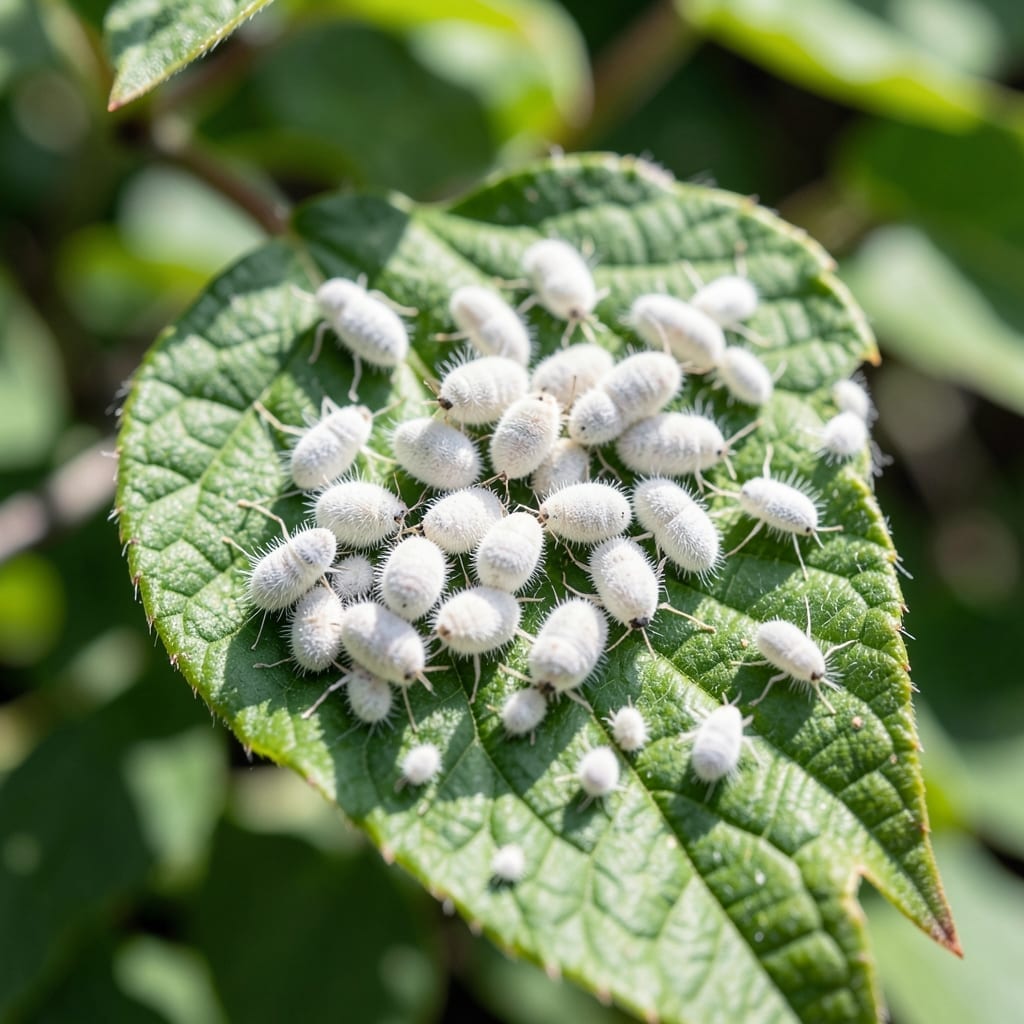
Those white cottony clusters on your dogwood aren’t cotton—they’re mealybugs. I first spotted them on my own tree last spring, and ignoring them nearly cost me the plant.
They sap plant strength, stunt growth, and leave sticky residue that attracts mold. The good news? Early action works. A simple inspection of stems and leaf undersides catches them before they spread.
You’ll banish them with targeted sprays or natural predators. I’ve tested both—organic soaps work fast, while ladybugs offer long-term control without chemicals.
Prevention is easier than cure. Regular checks and proper watering keep your dogwood healthy and resistant. Here’s how to reclaim your tree.
Mealybugs thrive on dogwood trees due to a combination of environmental, biological, and cultural factors. Understanding these causes can help you prevent infestations and protect your plant’s health.
Dogwoods growing in dense, poorly ventilated areas create the perfect humid microclimate for mealybugs. Stress from drought, compacted soil, or root damage weakens the tree’s natural defenses, making it more susceptible to pests. Mealybugs are drawn to stressed plants because their sap content is higher in sugars and amino acids, which these insects crave.
Over-fertilizing with nitrogen-rich products promotes lush, soft growth that mealybugs find irresistible. This type of growth lacks the structural toughness to deter piercing mouthparts. Nitrogen-heavy soils also reduce the plant’s production of defensive compounds, like tannins, which naturally repel pests.
Mealybug populations explode when beneficial insects—like ladybugs, lacewings, or parasitic wasps—are absent. These predators typically keep mealybug numbers in check. If your garden lacks biodiversity or uses broad-spectrum pesticides, you inadvertently eliminate these natural controls, giving mealybugs free rein to infest your dogwood.
Mealybugs reproduce rapidly in warm (70–90°F) and low-humidity environments. Dogwoods in sun-exposed, arid locations without adequate irrigation become prime targets. These conditions speed up their life cycle, allowing multiple generations to emerge in a single season, overwhelming the plant before you notice the damage.
Mealybugs can be stubborn, but these targeted solutions will help restore your dogwood’s health. Address each issue with the right fix, and follow up with prevention to keep them from returning.
For small clusters, dab the bugs with a cotton swab soaked in rubbing alcohol (70% isopropyl). This dissolves their protective waxy coating and kills them on contact. Repeat every few days until they’re gone. Pro tip: 💡 Test the alcohol on a small leaf area first to ensure no damage to the plant.
Mix 1 tablespoon of insecticidal soap or neem oil with 1 quart of water and spray the entire plant, focusing on the undersides of leaves and stems where mealybugs hide. Reapply every 5–7 days until the infestation clears. Neem oil also disrupts their life cycle, preventing future outbreaks.
If mealybugs keep coming back, use a systemic granule insecticide applied to the soil. The plant absorbs it, making the sap toxic to feeding pests. Follow the product instructions carefully, and avoid using it during flowering if pollinators are active.
Consistency is key—stick with your chosen method until the pests are fully gone, then keep up preventive measures to enjoy a thriving, mealybug-free dogwood!
Look for white, cottony clusters on stems and leaf undersides. They resemble tiny cotton balls and leave a sticky residue called honeydew. Check new growth and branch joints first.
Yes, mix 1 teaspoon of mild dish soap with 1 quart of water and spray directly on the bugs. Reapply every 3-4 days until they’re gone. Avoid harsh detergents that may harm the plant.
Severe infestations can weaken the plant and stunt growth. They won’t kill a healthy dogwood quickly, but left untreated, they can cause long-term damage. Act fast for best results.
Encourage ladybugs and lacewings, inspect new plants, and avoid over-fertilizing. Prune infested areas and dispose of them in sealed bags. Consistency is key.