
Beautiful Plants For Your Interior
Beautiful Plants For Your Interior
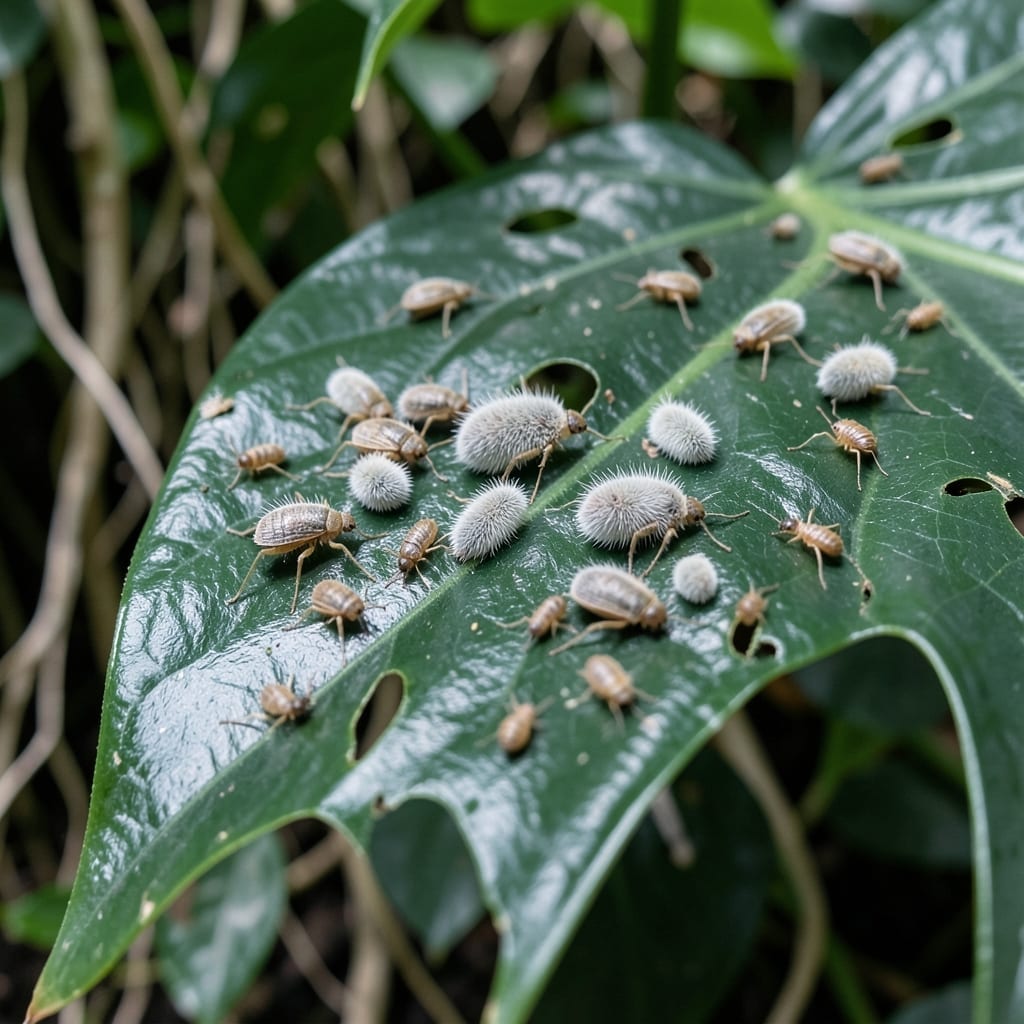
White cottony clusters on your monstera leaves mean trouble. I spotted my first mealybug infestation last summer and nearly lost a beloved plant before figuring out the solution.
These pests thrive in warm, dry conditions and spread quickly if ignored. They hide in leaf axils and stems, sucking sap and leaving sticky residue. Catching them early makes all the difference.
Organic removal starts with a simple alcohol wipe or insecticidal soap. For stubborn cases, I use neem oil—it works without harsh chemicals. Consistency beats them every time.
Prevention is easier than cure. Regular inspections and proper humidity keep these cottony invaders from returning to your monstera.
Mealybugs thrive on Monstera plants due to several environmental and care-related factors. Understanding these causes helps prevent infestations and keeps your plant healthy. Below are the most common triggers:
Mealybugs flourish in warm, humid environments—conditions often replicated in indoor settings. Temperatures between 70–80°F (21–27°C) and humidity above 60% create an ideal breeding ground. These pests are drawn to the moisture-rich microclimate around Monstera leaves, especially in poorly ventilated spaces.
Excess moisture in the soil or on foliage weakens the plant’s defenses. Overwatering leads to root stress, making Monsteras more susceptible to pests. Stagnant water in saucers or dense, water-retentive soil encourages mealybugs to multiply in the damp, organic debris.
Plants under stress—from nutrient deficiencies, improper lighting, or physical damage—emit distress signals that attract pests. Mealybugs target vulnerable Monsteras because their weakened state reduces the plant’s ability to resist infestation. Regularly inspect leaves for yellowing or wilting, as these are early warning signs.
Mealybugs often hitchhike on new plants, potting soil, or gardening tools. Introducing an infested plant to your collection or reusing unsterilized pruners can spread pests rapidly. Always quarantine new additions for 2–3 weeks and sanitize tools with rubbing alcohol to prevent contamination.
Dealing with mealybugs on your Monstera doesn’t have to be a losing battle. Here’s how to tackle each issue head-on with simple, effective fixes—and keep those pests from coming back.
For small clusters, dip a cotton swab in rubbing alcohol (70% isopropyl) and gently dab each bug. The alcohol dissolves their protective waxy coating, killing them on contact. Repeat every 2–3 days until they’re gone. Pro tip 💡: Test the alcohol on a small leaf area first to ensure no damage.
Mix 1 tsp mild liquid soap + 1 liter water and spray the entire plant, focusing on leaf undersides, stems, and soil. The soap suffocates the pests. For stubborn cases, add 1 tbsp neem oil to the mix for extra power. Spray weekly until the infestation clears.
If mealybugs have moved into the soil, remove the plant and rinse the roots under lukewarm water. Repot in fresh, sterile potting mix and a clean container. Discard the old soil to prevent reinfestation.
Look for white, cottony clusters in leaf axils, stems, or undersides. You may also notice sticky residue or yellowing leaves.
They often hide in soil or crevices. Repeat treatments every 2-3 days for 2 weeks to break their life cycle. Quarantine the plant to prevent spreading.
Yes! Rubbing alcohol (70%) on cotton swabs works for spot treatment. A mix of 1 tsp soap + 1 liter water is great for full plant sprays.
They spread quickly to nearby plants. Isolate infested plants immediately and inspect others regularly.