
Beautiful Plants For Your Interior
Beautiful Plants For Your Interior
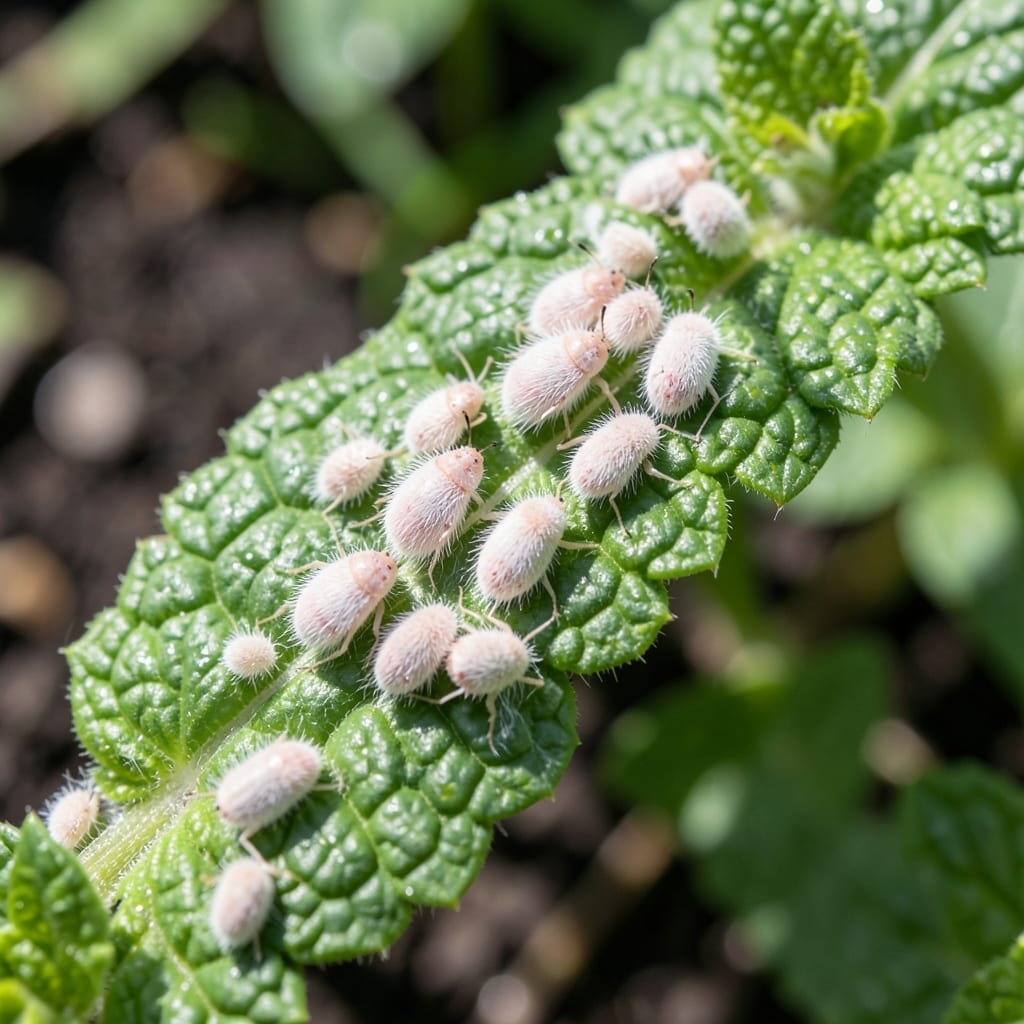
White cottony clusters on your mint leaves mean one thing: mealybugs have moved in. I’ve battled these pests more times than I care to admit, and the key is acting fast before they spread to every stem.
These bugs love the tender new growth of mint, sucking sap and leaving behind sticky residue. The good news? Organic removal works—no harsh chemicals needed. A little vigilance and the right approach can save your plants.
You’ll notice healthier leaves within days of treatment, and with preventive care, your mint will stay thriving and pest-free. The process is simple, but timing matters.
Works for container-grown mint, garden beds, or even indoor pots. Here’s how to reclaim your herbs.
Mealybugs thrive on mint plants due to several environmental and cultural factors. Understanding these causes helps prevent infestations and keeps your herbs healthy. Below are the most common reasons why these pests appear.
Mint loves moisture, but soggy soil creates the perfect breeding ground for mealybugs. Excess water stresses the plant, weakening its natural defenses. Ensure your mint is planted in well-draining soil and avoid waterlogging. Use containers with drainage holes if growing in pots.
Mealybugs spread rapidly in dense foliage where air circulation is limited. Mint grown too closely together traps humidity, which these pests love. Thin out plants and space them properly to improve airflow. Prune regularly to reduce hiding spots for mealybugs.
These pests thrive in temperatures between 70–90°F (21–32°C) with high humidity. Greenhouses and indoor growing setups often provide ideal conditions. If growing mint indoors, use a dehumidifier or fan to maintain lower humidity levels.
In outdoor gardens, beneficial insects like ladybugs, lacewings, and parasitic wasps keep mealybug populations in check. If your mint lacks these predators—common in indoor or isolated settings—mealybugs can multiply unchecked. Introduce natural predators or use neem oil as a preventive measure.
Mint under stress from nutrient deficiencies, disease, or physical damage is more susceptible to pests. Ensure your plants receive balanced fertilization and are free from other issues. Healthy mint resists mealybugs better and recovers faster if infested.
For small infestations, start by hand-picking mealybugs off your mint plants. Use a cotton swab dipped in rubbing alcohol (70%) to wipe down leaves and stems—this dissolves their protective waxy coating. Focus on the undersides of leaves and leaf joints, where they love to hide. Pro tip 💡: Work in the early morning or late evening when bugs are less active.
Mix 1 tablespoon of mild liquid soap (like Castile) with 1 liter of water and spray it directly onto the affected areas. The soap disrupts their cell membranes, causing dehydration. Repeat every 3–4 days for 2 weeks to break their life cycle. ✨ Prevention: Avoid over-fertilizing, as mealybugs thrive on soft, new growth.
Introduce beneficial insects like ladybugs or lacewings to your garden—they feast on mealybugs! For indoor mint, use neem oil (mix 1 tsp with 1 liter of water + a few drops of soap) as a foliar spray. Pro tip 🎯: Test neem oil on a small section first to avoid leaf burn.
Quarantine heavily infested plants to prevent spread. Prune and dispose of severely damaged leaves or stems in sealed bags. Prevention: Space mint plants apart to improve airflow and reduce humidity, which deters mealybugs.
Consistency is key—combine methods for the best results!
Look for white, cottony clusters in leaf joints or undersides. Sticky residue on leaves or a sooty mold growth are also telltale signs. Check new growth weekly, as mealybugs love tender stems.
Avoid vinegar—it can burn mint leaves. Instead, use a 70% rubbing alcohol solution on a cotton swab for targeted removal. Always test on a small area first to prevent damage.
Yes, they move quickly to nearby plants, especially in crowded spaces. Isolate infested mint immediately and inspect neighboring herbs. Improve airflow to slow their spread.
For soap or neem oil sprays, reapply every 3–4 days for 2 weeks to break their life cycle. Consistency is key—stopping early often leads to reinfestation.