
Beautiful Plants For Your Interior
Beautiful Plants For Your Interior
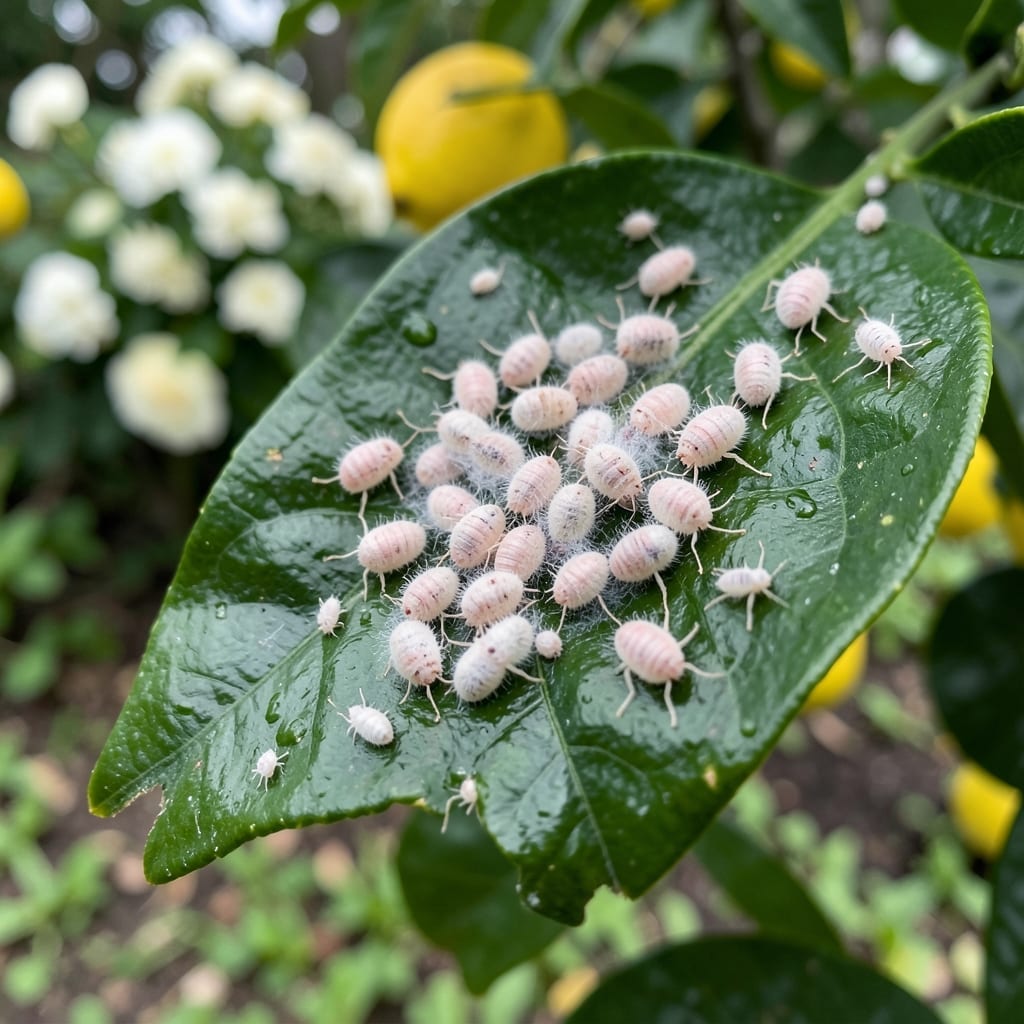
White cottony clusters on your lemon tree leaves mean trouble. 🌱 I spotted my first mealybug infestation last spring—tiny white masses hiding in leaf axils and along stems, sucking the life out of new growth.
Left untreated, these pests weaken the tree, stunt fruit production, and spread to nearby plants. The good news? They’re slow-moving and easy to spot. A cotton swab dipped in rubbing alcohol removes them instantly, and the tree bounces back fast.
You’ll see new growth return within 2-3 weeks of treatment, with leaves regaining their deep green color and that citrusy fragrance filling the air again. The key is catching them early before they multiply.
Works for potted trees, backyard specimens, or orchard plantings. Here’s how to evict them for good.
Mealybugs thrive on lemon trees due to a combination of environmental and biological factors. Below are the primary causes, explained scientifically to help you address the root of the issue.
Lemon trees under stress—whether from poor pruning, overcrowding, or nutrient deficiencies—produce excess sap, a mealybug magnet. Stressed trees also have weakened defenses, making them more susceptible to infestations. Ensure proper spacing (at least 10–15 feet between trees) and maintain balanced nitrogen-phosphorus-potassium (NPK) ratios in the soil.
Mealybugs flourish in high-humidity environments (above 60%) and damp conditions. Overwatering or poor drainage creates a breeding ground for these pests. Lemon trees prefer well-draining soil and moderate moisture—water only when the top 1–2 inches of soil are dry.
In balanced ecosystems, predators like ladybugs, lacewings, and parasitic wasps keep mealybug populations in check. If your lemon tree lacks these allies, mealybugs multiply unchecked. Introduce beneficial insects or avoid broad-spectrum pesticides that harm them.
Mealybugs reproduce rapidly in temperatures between 70–90°F (21–32°C). Lemon trees in warm climates (or greenhouse settings) are especially vulnerable. Monitor temperatures and use shade cloth during peak heat to reduce stress and slow pest activity.
Tackling mealybugs on your lemon tree requires a mix of immediate action and long-term prevention. Here’s how to address each issue effectively:
For small clusters, use a cotton swab dipped in rubbing alcohol (70%) to dab and remove the pests. Check leaf axils, stems, and undersides where they hide. Repeat every few days until gone.
Mix 1 tbsp dish soap + 1 tbsp neem oil + 1 quart water and spray thoroughly, coating all surfaces. Neem disrupts their life cycle, while soap suffocates them. Apply in the early morning or late evening to avoid leaf burn. Reapply weekly for 3–4 weeks.
Introduce ladybugs, lacewings, or parasitic wasps to your garden. These predators feed on mealybugs naturally. Release them at dusk for best results, and avoid chemical pesticides that harm them.
Pro tip 🌟: After treatment, wipe leaves with a damp cloth to remove residue and help your tree breathe!
Look for white cottony clusters in leaf axils, along stems, or undersides. Check new growth first, as they target tender areas. A magnifying glass helps spot tiny nymphs before they multiply.
No, when used correctly. Mix 1 tbsp neem oil + 1 quart water and spray in early morning to avoid leaf burn. Neem is safe for citrus and won’t damage fruit or foliage.
For mild cases, reapply treatments every 3-4 days until gone. For heavy infestations, use weekly sprays for 3-4 weeks. Always monitor after treatment to catch any stragglers.