
Beautiful Plants For Your Interior
Beautiful Plants For Your Interior
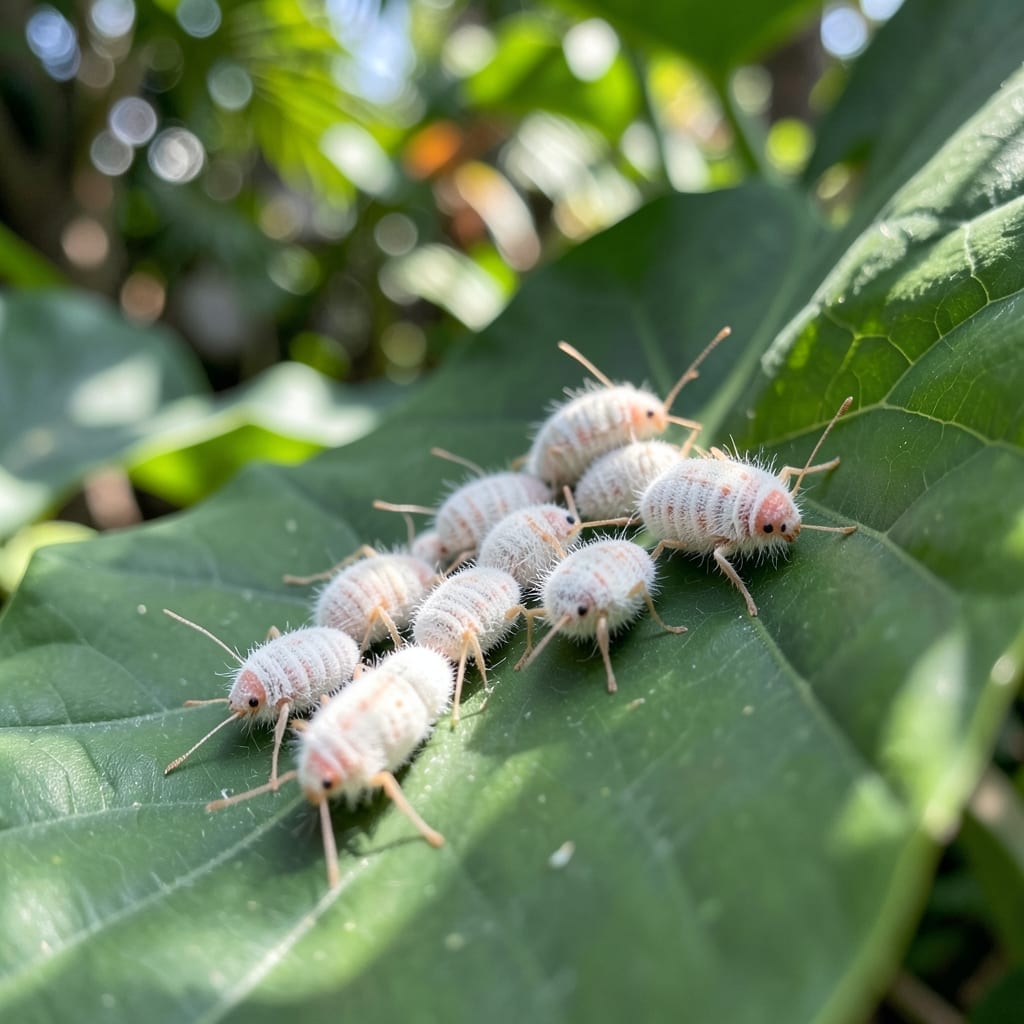
White cottony clusters on your elephant ear leaves are mealybugs. I’ve battled these pests before, and they spread fast if ignored. The good news? You can stop them without harsh chemicals.
My go-to method uses simple household items—soap, oil, and water—to smother and kill them. It’s fast, effective, and won’t harm your plant. Just mix, spray, and repeat until they’re gone.
Prevention is easier than treatment. Regularly wiping leaves and checking undersides catches problems early. Healthy plants resist pests better, so proper light and watering matter too.
Works for indoor and outdoor elephant ears. Let’s tackle this together.
Mealybugs thrive on elephant ear plants due to a mix of environmental and cultural factors. Understanding these triggers helps prevent and control outbreaks. Below are the most common causes:
Excess moisture creates a humid environment, which mealybugs love. Elephant ear plants in waterlogged soil or containers without drainage holes become prime targets. The bugs feed on the plant’s sap, and damp conditions accelerate their reproduction.
While elephant ears enjoy warmth, consistently high temperatures (above 80°F) paired with dry air stress the plant. Stressed plants produce more sap, attracting mealybugs. Indoor heating or outdoor drought can exacerbate this.
Plants grown too close together or those lacking nutrients are more susceptible. Mealybugs target weak or overcrowded elephant ears because their defenses are lowered. Poor air circulation also makes it easier for pests to spread.
In outdoor settings, beneficial insects like ladybugs or lacewings keep mealybugs in check. However, indoor elephant ears or those in isolated garden spots lack these predators, allowing infestations to grow unchecked.
Mealybugs can be stubborn, but these targeted fixes will help you reclaim your elephant ear plant’s health. Start by isolating the affected plant to prevent the pests from spreading to others. Then, tackle the infestation with these practical solutions:
For mild infestations, use a cotton swab dipped in rubbing alcohol (70% isopropyl) to gently wipe off visible mealybugs. Focus on the undersides of leaves, stems, and leaf axils where they love to hide. Repeat every 2–3 days until the pests are gone.
Mix 1 tablespoon of dish soap with 1 liter of water and spray the plant thoroughly, coating all surfaces. The soap disrupts the pests’ protective waxy layer. For a stronger option, add 1 tablespoon of neem oil to the mix. Reapply every 4–5 days for 2 weeks.
If the infestation persists, use a systemic insecticide labeled for mealybugs. Follow the product instructions carefully, and apply it to the soil so the plant absorbs it. This method targets pests feeding on the plant from within.
Prevention Tips:
Look for white cottony clusters in leaf axils or undersides. You might also notice sticky residue or yellowing leaves. Early detection makes treatment much easier.
No, 70% isopropyl alcohol is safe when used correctly. Dab it directly on pests with a cotton swab, avoiding excessive application. It evaporates quickly without damaging healthy tissue.
Reapply soap or neem oil mixtures every 4-5 days for 2 weeks. This breaks the pest life cycle. Always spray in the evening to avoid leaf burn.