
Beautiful Plants For Your Interior
Beautiful Plants For Your Interior
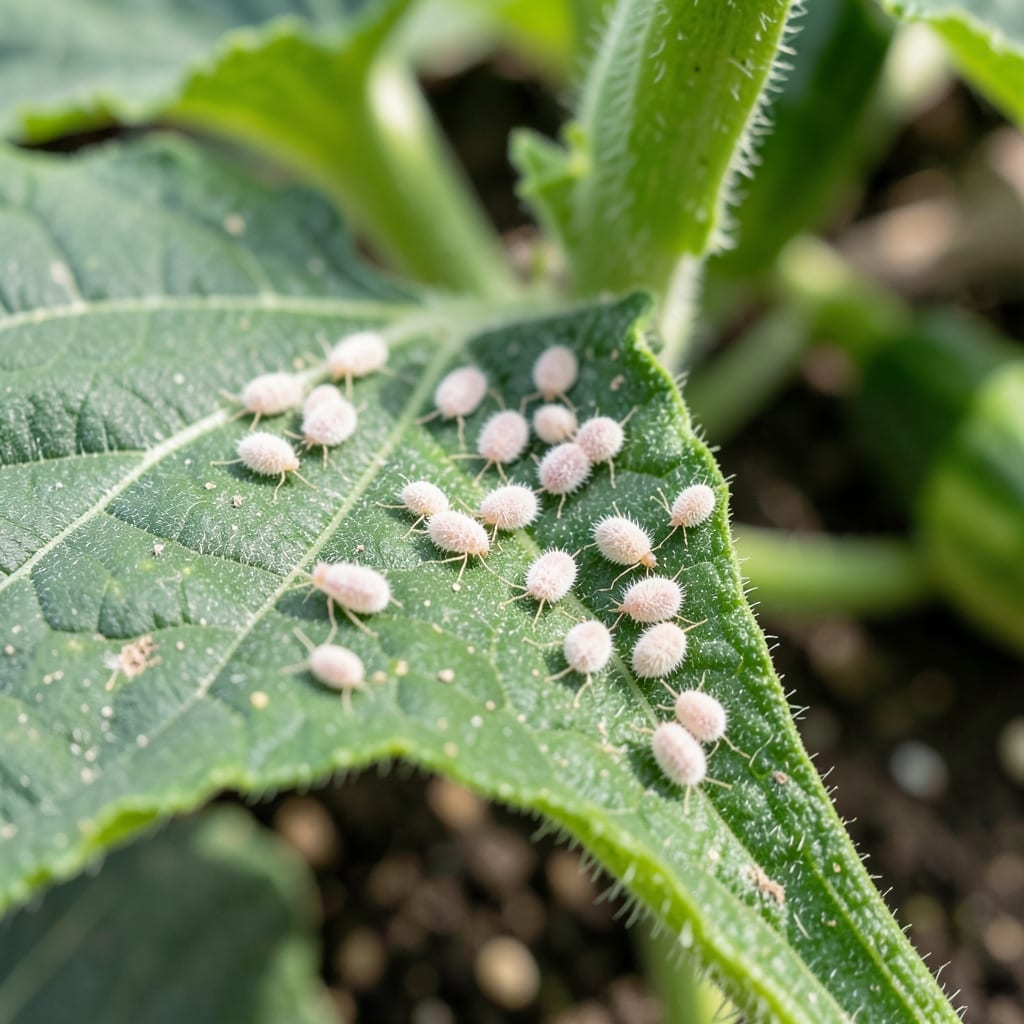
White cottony clusters on your squash leaves mean trouble. Mealybugs spread fast on cucurbits, sucking sap and leaving sticky residue that attracts more pests.
I spotted my first infestation too late—half my zucchini was already stunted. These bugs hide in leaf joints and undersides, making them tricky to spot until damage appears.
Early action saves your crop. A strong water spray knocks them off, while insecticidal soap or neem oil handles the rest. Check plants weekly to catch them before they multiply.
Prevention beats treatment. Keep your garden clean, remove plant debris, and introduce beneficial insects like ladybugs to control populations naturally.
Mealybugs thrive on cucurbits (like cucumbers, squash, and melons) due to a mix of environmental, biological, and cultural factors. Understanding these triggers helps prevent outbreaks before they spiral. Below are the primary causes, broken down for clarity and action.
Mealybugs reproduce rapidly in temperatures between 75–90°F (24–32°C) with high humidity (60%+). Cucurbits grown in greenhouses or crowded fields with poor airflow create ideal breeding grounds. The pests also favor drought-stressed plants, as weakened cucurbits emit volatile organic compounds that attract them.
Dense plantings limit air circulation, trapping moisture and providing hiding spots for mealybugs. Additionally, nutrient-deficient cucurbits (especially low in nitrogen or potassium) are more susceptible. Over-fertilizing with nitrogen, however, can promote soft, succulent growth—a mealybug favorite.
Mealybugs spread via infested soil, tools, or plant debris. Reusing pots, trays, or gardening equipment without sterilization introduces eggs or nymphs to healthy crops. Similarly, compost or mulch containing untreated plant waste can harbor overwintering pests.
In balanced ecosystems, parasitic wasps, ladybugs, and lacewings keep mealybug populations in check. However, broad-spectrum pesticide use often kills these beneficial insects first, allowing mealybugs to multiply unchecked. Monoculture cucurbit plots also lack biodiversity to support predator populations.
Mealybugs on your cucurbits can be frustrating, but these targeted solutions will help you regain control. Address each issue directly with practical fixes and prevention tips.
For small infestations, manually remove mealybugs using a cotton swab dipped in rubbing alcohol (70% isopropyl). Gently dab each bug to dissolve their protective waxy coating. Focus on leaf undersides, stems, and fruit junctions where they hide. Prevention tip: Inspect plants weekly to catch new clusters early.
Spray plants with ready-to-use insecticidal soap, ensuring full coverage of leaves and stems. Reapply every 4–7 days until the infestation clears. Avoid treating plants in direct sunlight to prevent leaf burn. Prevention tip: Apply neem oil as a preventive spray every 2 weeks during growing season.
Release ladybugs, lacewings, or parasitic wasps (like Leptomastix dactylopii) to naturally reduce mealybug populations. These beneficial insects target pests without harming plants. Prevention tip: Plant companion flowers like marigolds or alyssum to attract predator insects.
Cut off and dispose of severely infested leaves or vines in sealed bags to prevent spread. Sanitize pruning tools with alcohol between cuts. Prevention tip: Maintain good airflow around plants by spacing them properly and removing weed growth nearby.
For severe cases, use a systemic insecticide like imidacloprid, following label instructions carefully. This method works from within the plant but should be a last resort due to potential harm to pollinators. Prevention tip: Rotate crops annually to disrupt pest life cycles.
Pro tip 💡: Always test sprays on a small plant area first to check for sensitivity, and avoid treatments during bloom to protect bees.
Look for white cottony clusters in leaf joints, undersides, or stems. Early signs include sticky residue (honeydew) and stunted growth. Check weekly with a magnifying glass for best results.
Yes! A 1:1 water-alcohol spray works on contact. Neem oil also disrupts their life cycle when applied every 2 weeks. Avoid vinegar—it can harm plants more than pests.
They hide in soil, tools, or nearby weeds. Sterilize equipment with bleach solution and remove plant debris after harvest. Introduce ladybugs to break their reproduction cycle.
Yes! Varieties like butternut squash and zucchini show better resistance. Still, all cucurbits benefit from good airflow and companion planting with marigolds.