
Beautiful Plants For Your Interior
Beautiful Plants For Your Interior
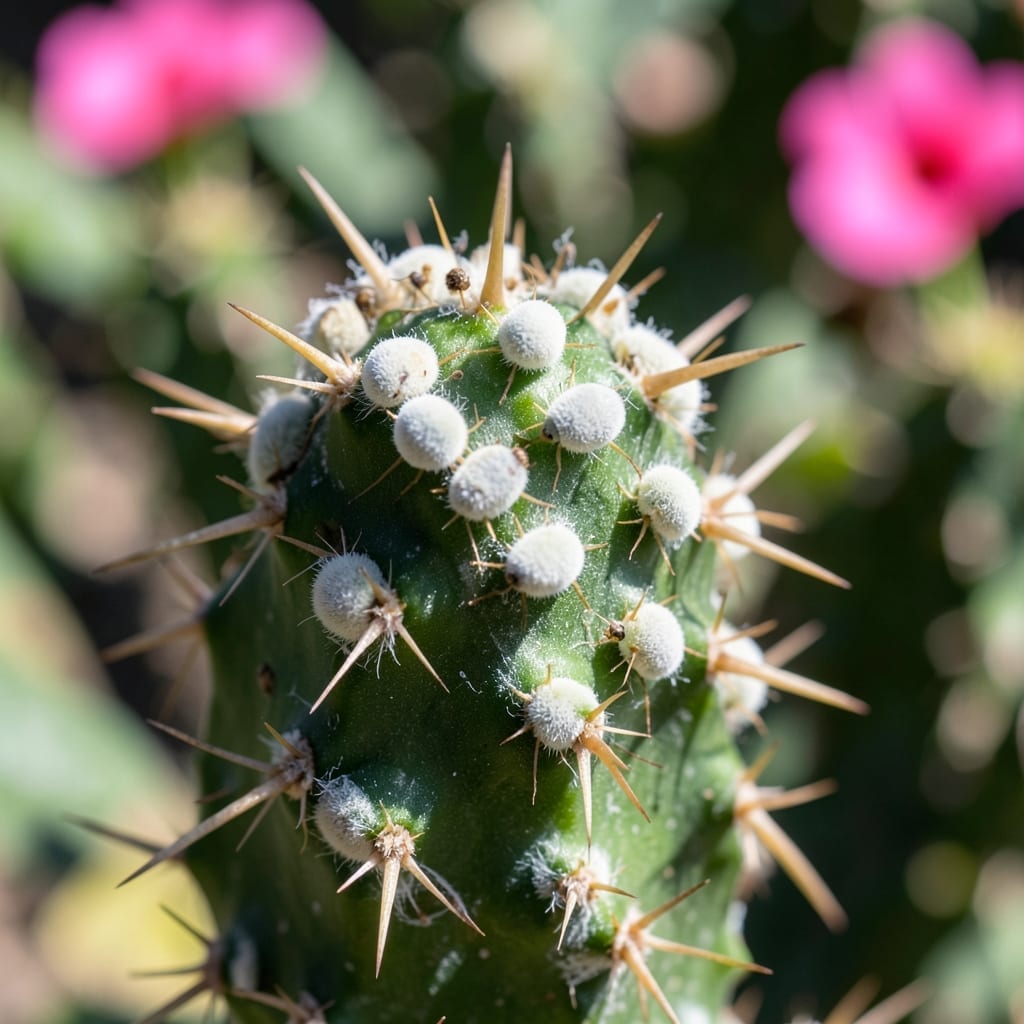
White cottony clusters on your crown of thorns aren’t lint—they’re mealybugs. I spotted my first infestation last spring and nearly missed it until the plant started looking sick.
These pests love hiding in stem joints and leaf axils, sucking sap while leaving sticky residue behind. The damage adds up fast: yellowing leaves, stunted growth, and that telltale white fuzz spreading like a bad habit.
Here’s the thing—mealybugs multiply quickly but they’re not invincible. A little vigilance and the right treatment can clear them out within weeks. The key is catching them early before they take over.
Whether you prefer organic sprays or targeted wiping, the solution is simpler than you think. Let’s get your plant back to its spiny, thriving self.
Mealybugs thrive on Crown of Thorns plants due to a combination of environmental, biological, and cultural factors. Understanding these causes helps prevent infestations and keeps your plant healthy. Below are the primary reasons these pests appear.
Mealybugs flourish in warm, low-humidity environments, which are common in indoor settings or dry climates. Euphorbia milii (Crown of Thorns) often grows in such conditions, making it a prime target. These pests reproduce rapidly when temperatures range between 70–80°F (21–27°C) and humidity drops below 50%. Dry air weakens the plant’s natural defenses, allowing mealybugs to settle and feed on its sap.
Stress is a major factor in mealybug infestations. Overcrowding restricts airflow, creating a humid microclimate that attracts pests. Additionally, underwatering, overwatering, or poor soil drainage weakens the plant, reducing its ability to resist invaders. Crown of Thorns plants under stress produce excess sap, which mealybugs find irresistible.
In outdoor gardens, natural predators like ladybugs, lacewings, and parasitic wasps keep mealybug populations in check. However, indoor Crown of Thorns plants lack these allies, allowing mealybugs to multiply unchecked. Without biological controls, even a few mealybugs can quickly turn into a full-blown infestation.
Mealybugs spread through direct contact or by hitching rides on contaminated tools, pots, or nearby plants. Failing to inspect new plants or clean gardening tools can introduce mealybugs to your Crown of Thorns. Additionally, dead leaves or debris around the plant provide hiding spots for these pests, making eradication harder.
Mealybugs on your crown of thorns can be stubborn, but with the right approach, you can restore your plant’s health. Below are targeted solutions for each cause, along with prevention tips to keep these pests at bay.
Mealybugs thrive in damp conditions. If overwatering is the culprit, let the soil dry out completely between waterings. Crown of thorns prefers dry conditions, so water only when the top 1-2 inches of soil are dry. Use a well-draining potting mix to prevent excess moisture.
Prevention tip: 💡 Water in the morning to allow excess moisture to evaporate during the day.
Stagnant air encourages mealybug growth. Move your plant to a breezy spot or use a small fan to improve airflow. If growing indoors, open windows regularly or place the plant near a vent (but avoid direct drafts).
Prevention tip: 🌡️ Space plants apart to ensure good air circulation between them.
For visible mealybugs, start with manual removal:
Prevention tip: ✨ Inspect new plants before bringing them home to avoid introducing pests.
A stressed crown of thorns is more vulnerable. Boost its defenses by:
Prevention tip: 🎯 Avoid over-fertilizing—too much nitrogen can attract mealybugs.
Look for cottony white clusters in stem joints and leaf axils. Unlike dust, they won’t brush off easily and leave a sticky residue. Check under leaves for hidden groups.
Vinegar isn’t effective against mealybugs. Stick to rubbing alcohol on a cotton swab or neem oil for better results. Always test a small area first to avoid plant damage.
For active infestations, treat every 7-10 days until gone. Neem oil works best with repeated applications. Check weekly to catch new pests early.
Mealybugs hide in crevices and lay eggs. Thoroughly inspect all parts of the plant and nearby plants. Quarantine new additions for 2-3 weeks to prevent spread.