
Beautiful Plants For Your Interior
Beautiful Plants For Your Interior
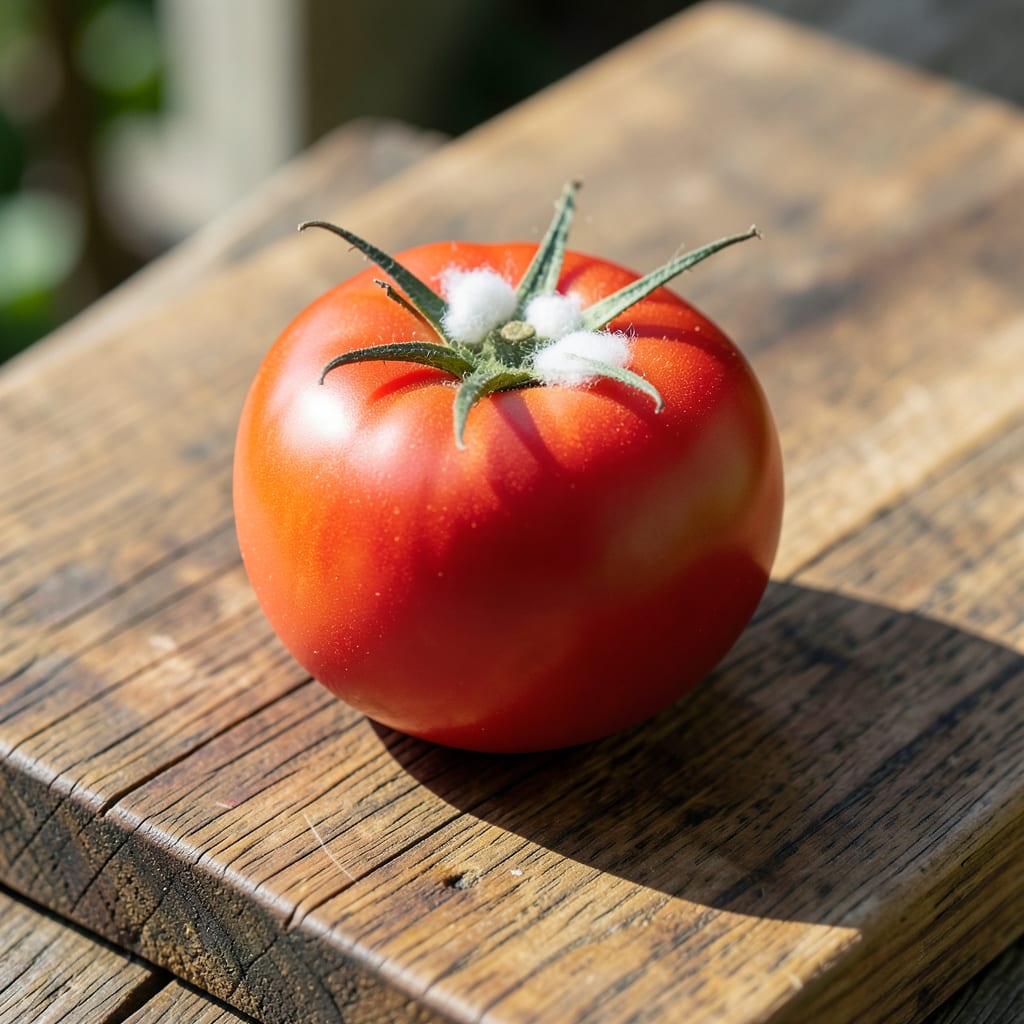
Spotted white fuzz on your tomato stems? Don’t panic—I’ve seen this before and fixed it without chemicals. That white stuff usually means one of three things: powdery mildew, mealybugs, or scale insects, each with its own telltale signs.
Powdery mildew looks like dusty flour, while mealybugs resemble tiny cotton balls. Scale appears as stuck-on white bumps. The good news? All three respond to organic solutions like neem oil, pruning, or better airflow around your plants.
I tackled this last summer by removing affected leaves, spraying with soapy water, and spacing plants for better circulation. New growth stayed clean, and my tomatoes bounced back within 2 weeks.
Prevention is simpler than cure: water at the base, avoid overhead sprinkling, and keep your garden tidy. Healthy plants resist pests and diseases naturally.
The white substance on your tomato stem can stem from several biological and environmental factors. Understanding the root cause is key to effective treatment and prevention.
One of the most common culprits is powdery mildew, a fungal disease that thrives in warm, dry conditions with high humidity. The fungus Podosphaera xanthii or Leveillula taurica produces a white, powdery coating on stems and leaves, often spreading rapidly if left unchecked. Another fungal issue, sclerotinia stem rot (Sclerotinia sclerotiorum), causes white, cottony growth on stems, especially in cool, wet weather.
Insects like aphids and mealybugs can leave behind white, fluffy residues. Mealybugs, in particular, secrete a waxy, cotton-like substance as they feed on plant sap. Aphids, while smaller, can also produce a sticky white residue (honeydew) that may attract sooty mold, further complicating the issue.
Excessive moisture or poor air circulation can create ideal conditions for fungal growth. Overwatering or high humidity without proper ventilation leads to damp stems, encouraging fungal spores to germinate. Additionally, edema—a physiological disorder caused by inconsistent watering—can result in white, crusty deposits on stems as plant cells rupture.
In some cases, the white stuff may be mineral deposits from hard water or foliar sprays. If you use tap water with high calcium or magnesium content, these minerals can accumulate on the stem surface as the water evaporates, leaving a chalky residue.
Here’s how to tackle the most common causes of that white stuff on your tomato stems, with simple, organic fixes and prevention tips to keep your plants thriving.
If the white coating looks like dusty flour, prune overcrowded leaves to boost airflow. Mix 1 tsp baking soda + 1 quart water + a drop of dish soap, and spray affected areas weekly. Prevent it: Water at the base (not leaves) and space plants 2–3 feet apart.
For cottony clusters, dab bugs with a cotton swab soaked in rubbing alcohol or spray with neem oil (1 tbsp per gallon of water). Prevent it: Release ladybugs or lacewings in your garden—they’ll eat mealybugs naturally!
If white crusty spots form from excess moisture, reduce watering frequency and ensure soil drains well. Prevent it: Water in the morning so plants dry by evening, and use mulch to regulate soil moisture.
For fuzzy or slimy white patches, prune infected stems and dispose of them (not in compost). Sterilize pruners with rubbing alcohol between cuts. Prevent it: Rotate crops yearly and avoid overhead watering.
💡 Pro Tip: Always inspect new plants for white residue before bringing them near your garden to avoid spreading issues!
Yes, but wash them thoroughly first. The white stuff itself isn’t toxic, but it may indicate pest or fungal problems. If the tomatoes look healthy otherwise, they’re fine to eat after cleaning.
Fungal spores and pests like mealybugs can easily move between plants. Isolate affected tomatoes and treat them immediately to prevent spreading to nearby crops.
For fungal issues, you may see improvement in 1-2 weeks with consistent treatment. Pest problems often resolve faster—within a few days of applying neem oil or alcohol wipes.
Yes, pruning removes affected areas and improves airflow. Cut back infected stems and leaves, then sanitize your tools with rubbing alcohol to avoid spreading the issue.
