
Beautiful Plants For Your Interior
Beautiful Plants For Your Interior
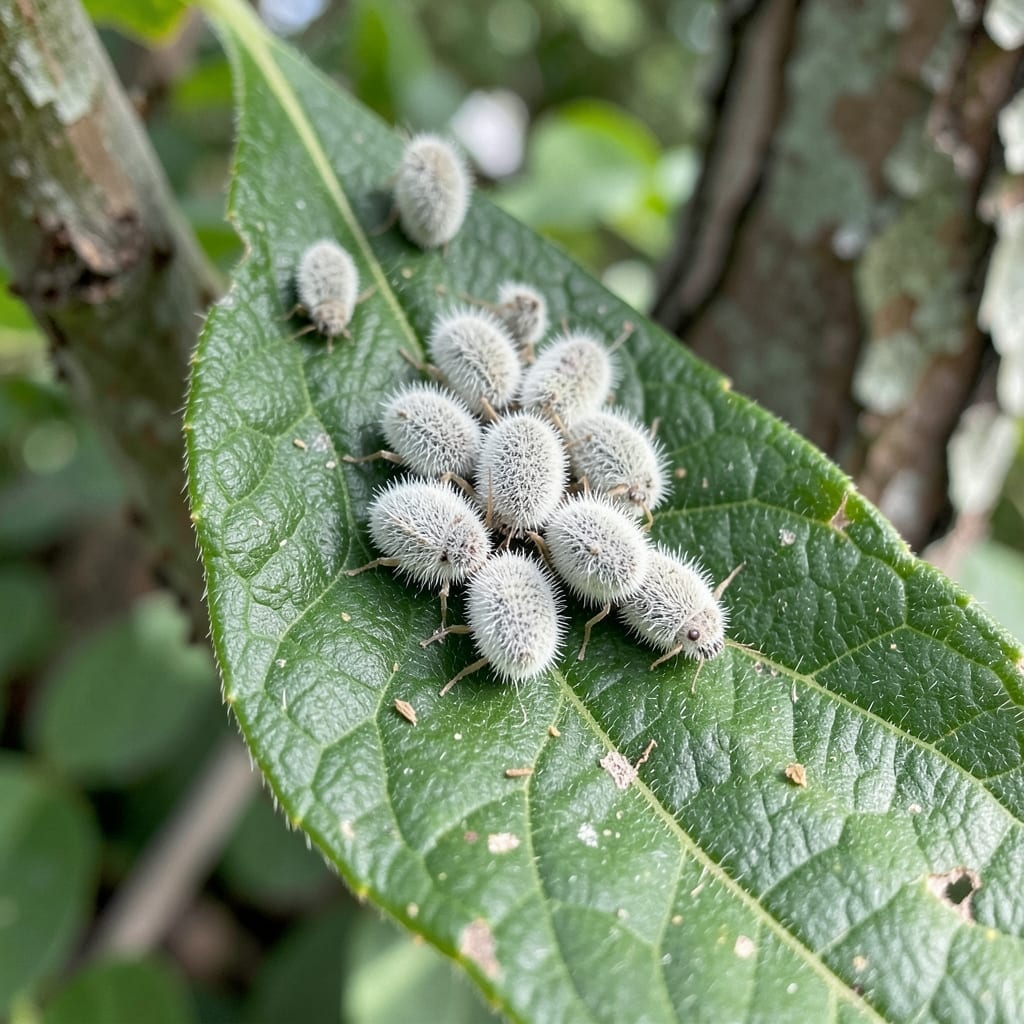
Those white cottony clusters on your crape myrtles aren’t just ugly—they’re mealybugs sucking the life out of your plants. I’ve battled these pests for years and found the exact approach that saves blooms without harming the tree.
The damage shows up as stunted growth, yellowing leaves, and that sticky residue that attracts ants. Catching them early is key, but even heavy infestations can be turned around with the right targeted treatment.
Within 2-3 weeks of consistent care, new growth emerges clean and strong. Your tree’s healthy blooms will return, and you’ll have the tools to keep mealybugs from coming back.
Works for young and mature crape myrtles alike. Here’s how to take back your garden.
Mealybugs thrive on crape myrtles due to a combination of environmental, cultural, and biological factors. Understanding these causes can help you prevent and manage infestations effectively.
Excessive nitrogen in soil promotes lush, soft growth—perfect for mealybugs. These pests feed on the high-sap content in tender new shoots. Action: Use a balanced, slow-release fertilizer and avoid over-application, especially in spring.
Drought-stressed or waterlogged crape myrtles are more susceptible. Mealybugs target weakened plants. Action: Maintain consistent moisture with well-draining soil, and water at the base to avoid foliage wetness, which can attract pests.
Mealybugs reproduce rapidly in temperatures between 70–90°F with high humidity. Crape myrtles in southern climates are especially vulnerable. Action: Improve air circulation around plants and monitor closely during peak summer months.
Ants protect mealybugs from predators like ladybugs and lacewings in exchange for honeydew. Action: Control ant populations and introduce beneficial insects to restore ecological balance.
Heavy pruning in late spring can stimulate excessive new growth, attracting mealybugs. Action: Prune in late winter or early spring before new growth starts to minimize vulnerability.
Mealybugs can be stubborn, but these targeted solutions will help you reclaim your crape myrtles’ health. Address the issue based on its severity and your preferred method.
For small outbreaks, start with a hands-on approach. Dip a cotton swab in rubbing alcohol (70% isopropyl) and gently dab each mealybug to dissolve their protective coating. Focus on leaf axils, stems, and undersides where they hide. Repeat every few days until they’re gone.
Prevention tip: 💡 Inspect new plants before bringing them near your crape myrtles to avoid introducing pests.
Mix 1 tablespoon of dish soap and 1 quart of water in a spray bottle. Apply evenly to affected areas, ensuring thorough coverage. The soap disrupts their cell membranes, leading to dehydration. For better adhesion, add 1 teaspoon of neem oil—it also acts as a repellent. Spray in the early morning or late evening to avoid leaf burn.
Prevention tip: 🌡️ Encourage natural predators like ladybugs and lacewings by planting companion flowers such as marigolds or alyssum.
If mealybugs persist, use a systemic insecticide containing imidacloprid. Apply as a soil drench according to the label instructions. The plant absorbs the treatment, making it toxic to feeding pests for weeks. Avoid using systemic insecticides during blooming to protect pollinators.
Prevention tip: ✨ Prune heavily infested branches and dispose of them in sealed bags to prevent spread.
Consistency is key—monitor your crape myrtles weekly and rotate methods if needed to keep mealybugs at bay.
Look for white cottony clusters in leaf axils and stem joints. You may also notice sticky honeydew or black sooty mold on leaves. Early detection makes treatment much easier.
No, a mild solution of 1 tablespoon dish soap per 1 quart of water is safe. Test on a small area first and spray in cooler parts of the day to prevent leaf burn.
Yes, neem oil is safe for blooming plants. Apply in the evening to avoid harming pollinators. It works as both a treatment and preventative measure.
They often return due to untreated hiding spots or nearby ant colonies protecting them. Combine treatments with ant control and thorough plant inspections.