
Beautiful Plants For Your Interior
Beautiful Plants For Your Interior
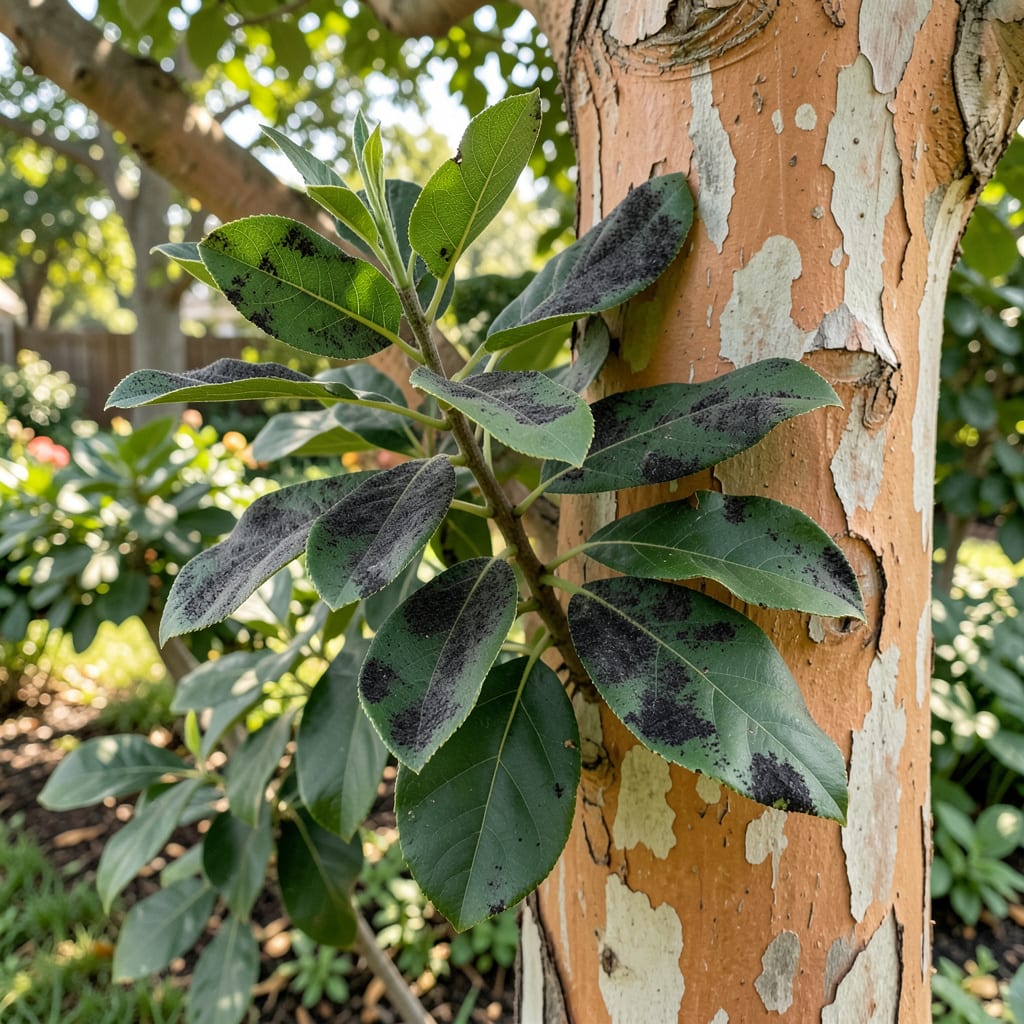
That black coating on your crape myrtle leaves isn’t dirt. It’s sooty mold, and it’s telling you something’s wrong with your tree.
I first noticed it after a particularly bad aphid season. The sticky honeydew they leave behind grows this fungus faster than you’d expect. Left unchecked, it blocks sunlight and weakens your plant over time.
Here’s the thing—you don’t need harsh chemicals to fix it. A strong blast of water or insecticidal soap can break the cycle. The mold itself won’t kill your crape myrtle, but the underlying pest problem will.
With the right approach, you’ll see clean leaves returning within 2-3 weeks. The key is addressing the root cause, not just the symptoms.
Sooty mold on crape myrtle doesn’t appear out of thin air—it’s a direct response to underlying issues in your garden. This black, powdery fungus thrives on the sticky residue left behind by pests or environmental factors. Below are the primary causes, explained in clear, actionable terms.
The most common culprit is aphids, scale insects, or whiteflies. These pests feed on the sap of crape myrtle leaves and excrete a sugary substance called honeydew. Sooty mold spores land on this honeydew and grow rapidly, forming the characteristic black coating. Check the undersides of leaves for clusters of pests or sticky residue.
Sooty mold flourishes in damp, stagnant conditions. Crape myrtles planted in crowded spaces or areas with poor air circulation are more susceptible. Overhead watering can also contribute by keeping foliage wet for extended periods, creating an ideal environment for mold growth.
Excess nitrogen from heavy fertilization promotes soft, new growth, which attracts sap-sucking pests. These pests, in turn, produce more honeydew, fueling sooty mold. Balance your fertilizer with phosphorus and potassium to avoid this cycle.
Fallen leaves, twigs, or unpruned branches can trap moisture and harbor pests. Regularly clean up plant debris around your crape myrtle and prune to improve airflow. This reduces hiding spots for pests and limits the spread of sooty mold.
Sooty mold on crape myrtles is unsightly but treatable. The key is to tackle the root cause—usually aphids, scale, or whiteflies—and then clean the mold. Here’s how to solve it, step by step:
Sooty mold thrives on the honeydew these pests leave behind. Eliminate them to stop the mold at its source.
Once pests are under control, remove the existing mold to restore your plant’s appearance.
Keep sooty mold from returning with these proactive measures:
With persistence, your crape myrtle will regain its vibrant, mold-free beauty! 🌿
No, the mold itself won’t kill your crape myrtle, but it blocks sunlight and weakens the plant over time. The real threat comes from the underlying pest infestation causing it.
Apply neem oil or insecticidal soap every 7-10 days until pests are gone. For severe cases, use horticultural oil in cooler months. Consistency is key to breaking the cycle.
Avoid harsh chemicals. A mild dish soap solution (1 tablespoon per gallon of water) works best. For tough spots, try a baking soda mix, but always rinse thoroughly afterward.
With proper treatment, you should notice cleaner leaves within 2-3 weeks. The mold won’t return if you’ve addressed the pest problem and improved airflow.
