
Beautiful Plants For Your Interior
Beautiful Plants For Your Interior
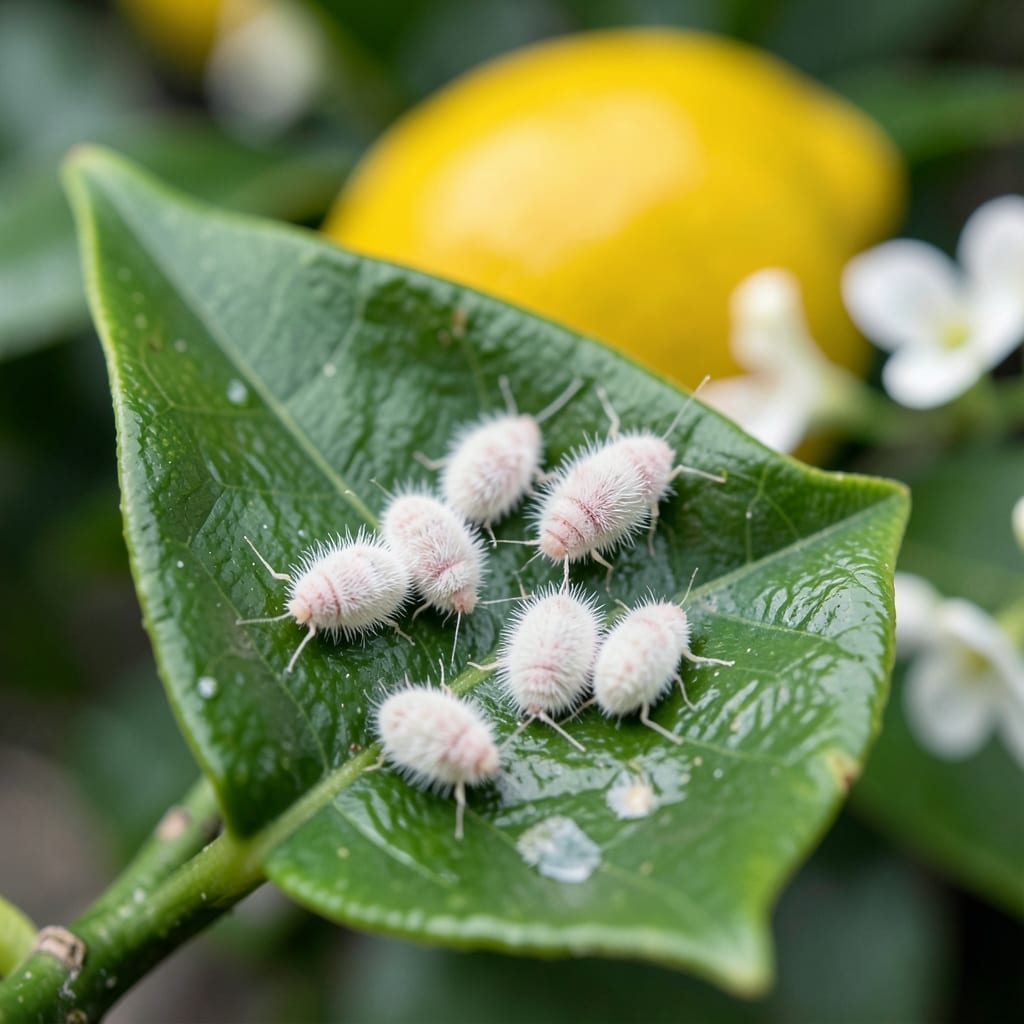
Those white cottony clusters on your citrus leaves aren’t lint. Mealybugs love pond-side trees for the humidity, and they’ll spread fast if left unchecked.
I first spotted them on my Meyer lemon last spring—sticky residue on leaves, curled growth, and a general sickly look. The good news: early detection makes removal simple with the right approach.
You’ll tackle this with targeted sprays, natural predators, or careful hand-wiping for small infestations. The key is consistency; these pests rebound quickly if you miss even a few.
Works for potted citrus too—just adjust your method for smaller plants. Here’s how to reclaim your trees.
Mealybugs on citrus trees often appear due to specific environmental and biological factors. Understanding these triggers helps prevent outbreaks before they start.
Citrus trees planted too closely create a humid, shaded microclimate that mealybugs love. Poor air circulation traps moisture, accelerating their reproductive cycle. Space trees at least 10–15 feet apart to reduce this risk.
Mealybugs thrive in temperatures between 70–90°F (21–32°C) with low humidity. Citrus groves near ponds may escape extreme drought, but inconsistent watering stresses trees, making them more susceptible to infestation.
Ants farm mealybugs for their honeydew, protecting them from predators like ladybugs and lacewings. Ant control (e.g., sticky barriers) disrupts this symbiotic relationship, allowing natural enemies to curb mealybug populations.
Citrus trees with nutrient deficiencies (especially nitrogen) or root damage from poor drainage produce weaker sap, which mealybugs find easier to exploit. Regular soil testing and proper fertilization strengthen tree resilience.
Mealybugs can be stubborn, but these targeted fixes will help you reclaim your citrus trees. Here’s how to tackle each issue head-on:
For small clusters, dab mealybugs with a cotton swab soaked in 70% isopropyl alcohol. This dissolves their protective waxy coating and kills them on contact. Repeat every few days until gone. Pro tip: 💡 Check leaf undersides and stem joints—these are their favorite hiding spots!
Mix 1 tbsp of insecticidal soap + 1 tbsp of horticultural oil per gallon of water. Spray thoroughly, coating all surfaces (especially crevices). Reapply every 5–7 days for 3 weeks to break their life cycle. Note: 🌿 Test on a small area first to avoid leaf burn.
Use a systemic insecticide (like imidacloprid) for severe or recurring cases. Apply to the soil to let the tree absorb the treatment, which then poisons mealybugs as they feed. Follow label instructions carefully.
Remember: Consistency is key—mealybugs can rebound if treatments aren’t repeated!
Yes, but dilute 1 teaspoon of mild dish soap per quart of water. Avoid degreasing soaps, which can harm plants. Test on a small area first to check for leaf damage.
Inspect weekly during warm months. Focus on new growth, leaf undersides, and stem joints where mealybugs hide. Early detection makes treatment much easier.
They move via wind, ants, or human contact. Isolate infested trees and treat nearby plants preventatively. Keep garden tools clean between uses.