
Beautiful Plants For Your Interior
Beautiful Plants For Your Interior
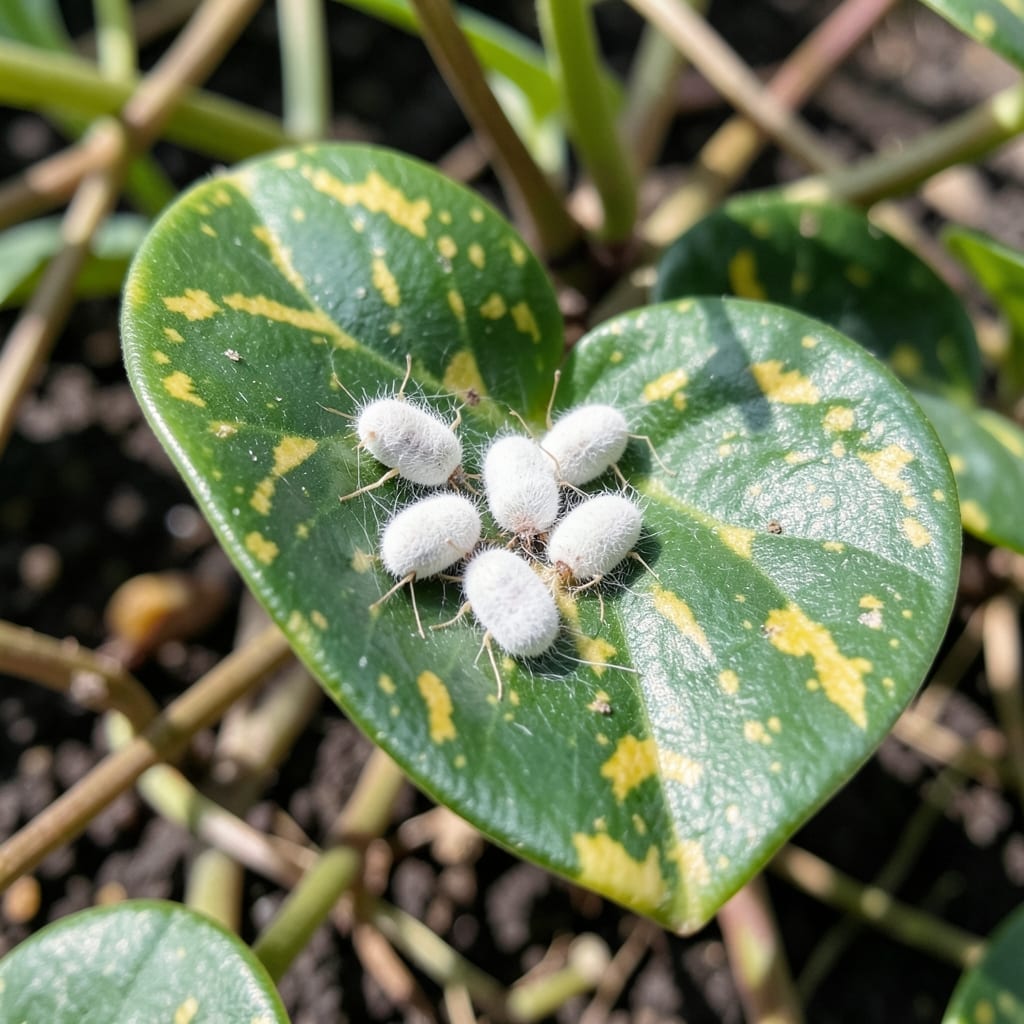
Those white cottony clumps on your Chinese money plant aren’t lint—they’re mealybugs. Left unchecked, they’ll spread fast, weakening leaves and stunting growth.
I’ve battled these pests more times than I care to admit. The good news? They’re beatable with simple household items and a little persistence. No fancy chemicals required.
You’ll spot them first in leaf axils or under leaves, often near new growth. They move slow but multiply fast, so early action is key. A cotton swab dipped in rubbing alcohol works wonders on small infestations.
Consistency wins the fight. Repeat treatments weekly until they’re gone, then keep a close eye. Your plant will bounce back stronger and healthier once the pests are under control.
Mealybugs thrive on Pilea peperomioides (Chinese Money Plant) when conditions favor their growth. Understanding the root causes helps prevent infestations and keeps your plant healthy. Below are the most common triggers:
Mealybugs reproduce rapidly in low humidity (below 40%) and temperatures between 70–80°F (21–27°C). Indoor heating or air conditioning can create these ideal conditions, stressing the plant and making it more susceptible to pests. Pileas prefer moderate humidity, so dry air weakens their natural defenses.
While mealybugs love dry foliage, they’re also drawn to root stress caused by soggy soil. Overwatering or compacted soil with poor drainage creates a dual problem: it weakens the plant and attracts pests seeking moisture. Ensure your Chinese Money Plant’s pot has drainage holes and the soil dries slightly between waterings.
Stagnant air allows mealybugs to settle and multiply undisturbed. Crowded plant arrangements or placing your Pilea in a corner with no airflow traps humidity and heat, creating a pest paradise. Regularly rotate your plant and use a small fan on low to improve ventilation.
A healthy Chinese Money Plant resists pests better. Nutrient deficiencies (especially nitrogen), low light, or sudden environmental changes (like moving to a new spot) stress the plant, reducing its ability to fend off mealybugs. Maintain consistent care and fertilize lightly during the growing season to keep it resilient.
Mealybugs often hitchhike on new plants, tools, or even your hands. If you’ve recently introduced a new plant near your Pilea or used the same pruning shears on an infested plant, you may have accidentally transferred the pests. Always quarantine new plants for 2–3 weeks and sterilize tools with rubbing alcohol.
Mealybugs can be stubborn, but these targeted solutions will help you reclaim your Chinese Money Plant’s health. Address each issue with the right fix and keep future infestations at bay.
For a small cluster of mealybugs, dip a cotton swab in 70% isopropyl alcohol and dab each bug directly. The alcohol dissolves their protective coating, killing them on contact. Repeat every 2–3 days until they’re gone.
Mix 1 teaspoon of insecticidal soap with 1 liter of water and gently sponge down the entire plant, focusing on leaf undersides and stem joints where mealybugs hide. Rinse after 15 minutes to avoid leaf damage. Use weekly until clear.
Introduce ladybugs or lacewing larvae to your plant’s environment. These beneficial insects feed on mealybugs and provide long-term control. Best for outdoor or greenhouse settings.
💡 Pro Tip: Neem oil (diluted with water and a drop of dish soap) can also deter mealybugs—spray lightly every 2 weeks as a preventive measure.
They appear as small white cottony clusters, often in leaf axils or under leaves. These fluffy spots are actually protective wax secreted by the pests.
Incomplete treatment leaves eggs behind, which hatch in 7-10 days. Always repeat treatments weekly for 3-4 weeks to break the life cycle.
Yes, but dilute 1 teaspoon of mild dish soap in 1 liter of water. Test on one leaf first to check for damage.
Isolate the infected plant immediately and inspect nearby plants. Clean tools with rubbing alcohol between uses.