
Beautiful Plants For Your Interior
Beautiful Plants For Your Interior
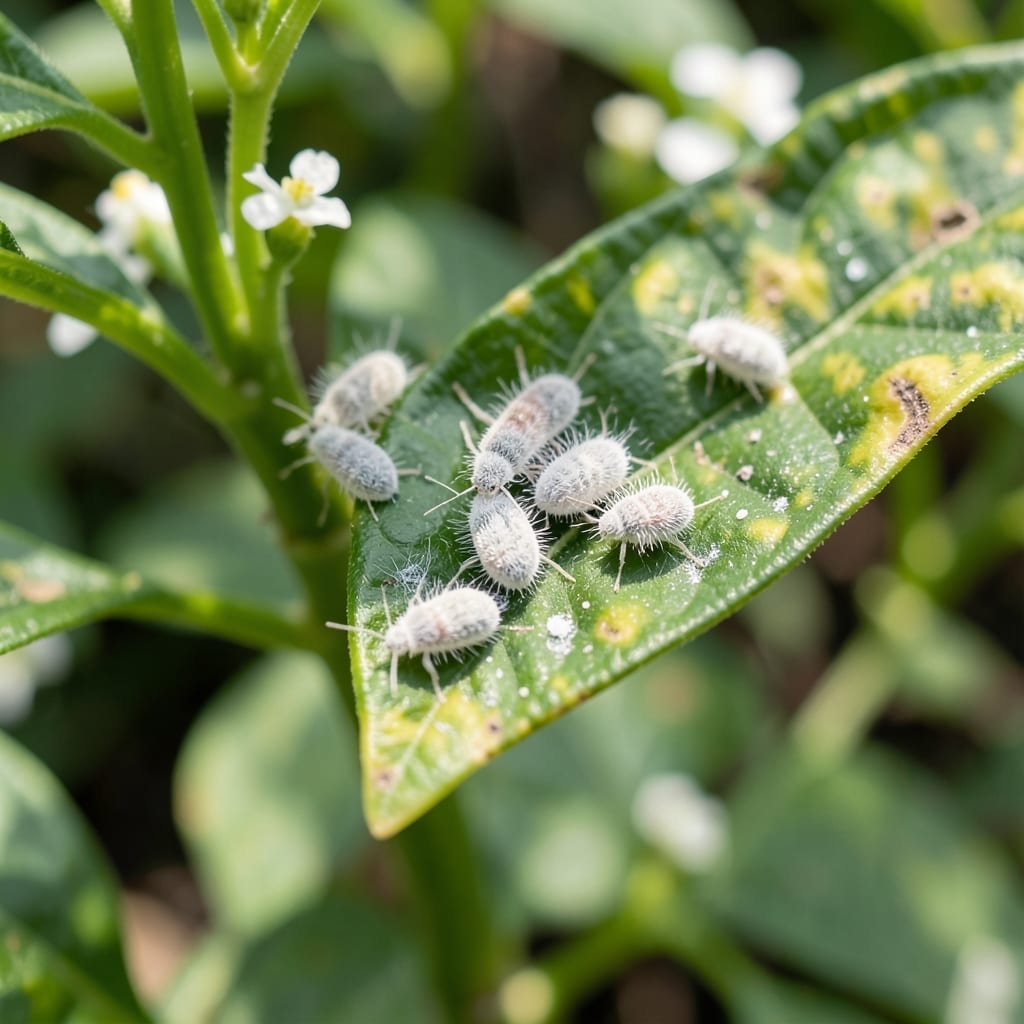
I first noticed the white cottony clusters on my chilli plants last summer. They spread fast, weakening the plants and stunting growth. These pests are sneaky, often hiding in leaf joints and under stems.
Mealybugs thrive in warm, dry conditions, making chilli plants a perfect target. I learned the hard way that early detection is key to stopping an infestation before it takes over your garden.
With the right approach, you can eliminate them without harming your plants. I’ve tested both organic and chemical solutions to find what works best for a healthy recovery.
The good news? Prevention is simple once you know what to look for. Regular checks and a few proactive steps keep them from coming back.
Mealybugs thrive on chilli plants due to a mix of environmental and cultural factors. Understanding these triggers helps prevent outbreaks and keeps your plants healthy.
Mealybugs Pseudococcus spp. proliferate in temperatures between 70–90°F (21–32°C) with low humidity. Chilli plants in greenhouses or indoor settings often create the perfect breeding ground. Dry air weakens plant defenses, making them more susceptible to infestation.
Excess moisture stresses chilli plants, but inconsistent watering (drought followed by overwatering) is worse. Mealybugs are drawn to stressed plants with soft, succulent growth. Poor drainage also leads to root rot, further compromising the plant’s ability to resist pests.
Too much nitrogen promotes lush, tender foliage—exactly what mealybugs love. High-nitrogen fertilizers (e.g., blood meal) create an imbalance, reducing the plant’s natural defenses. Switch to a balanced fertilizer (e.g., 10-10-10) or organic options like compost to avoid this.
In outdoor gardens, beneficial insects like ladybugs, lacewings, and parasitic wasps keep mealybug populations in check. Indoor chilli plants or those treated with broad-spectrum pesticides lose this protection. Introduce Cryptolaemus montrouzieri (mealybug destroyer) or neem oil to restore balance.
Overcrowding limits airflow, creating humid microclimates where mealybugs thrive. Weak or diseased chilli plants also emit stress signals (e.g., volatile organic compounds) that attract pests. Space plants 12–18 inches apart and prune regularly to improve ventilation.
Mealybugs on your chilli plants can be stubborn, but don’t worry—these practical fixes will help you reclaim your garden. Below, we break down the most effective solutions based on the severity of the infestation.
If you’ve spotted just a few mealybugs, act fast with these hands-on methods:
For a larger (but not overwhelming) problem, try these DIY sprays:
💡 Pro tip: Always test sprays on a small area first to check for plant sensitivity.
If mealybugs have taken over, use insecticidal soap or systemic granules labeled for edible plants. Follow the package instructions carefully, and avoid harvesting chillies for at least a week after treatment.
Look for white cottony clusters in leaf joints or under stems. Yellowing leaves or stunted growth often appear later. Check regularly, especially in warm, dry conditions.
Yes! A 70% isopropyl alcohol dab or a 1 tbsp soap + 1 quart water spray works well. Test on a small area first to avoid plant damage.
They thrive on stressed plants. Overwatering, over-fertilizing, or poor airflow can attract them. Improve plant health and spacing to deter repeat infestations.
Use insecticidal soap labeled for edibles, but stop harvesting for at least 1 week after treatment. Always follow package instructions closely.