
Beautiful Plants For Your Interior
Beautiful Plants For Your Interior
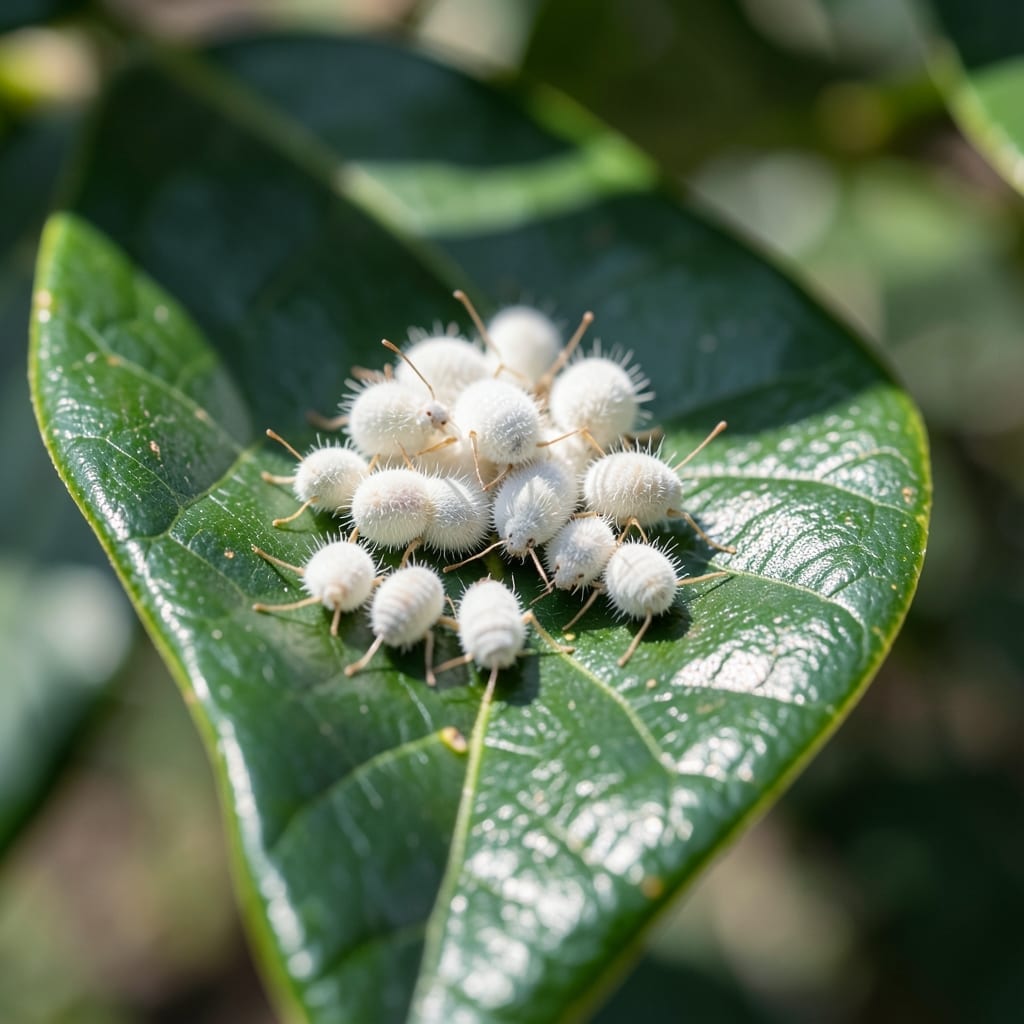
White cottony clusters on your avocado leaves mean trouble. Mealybugs spread fast, but I’ve stopped them without harming my pond ecosystem.
These pests suck sap from leaves, stunting growth and leaving sticky residue. Early detection is key—I check undersides of leaves weekly during warm months.
Pond-safe solutions exist. A strong water spray dislodges them, while neem oil smothers without chemicals. I’ve saved dozens of plants this way.
Prevention beats treatment. Quarantine new plants, keep the area clean, and introduce beneficial insects like ladybugs. It’s a foolproof system.
Mealybugs thrive on avocado plants due to a combination of environmental and biological factors. Understanding these root causes helps prevent and manage outbreaks effectively.
Avocado trees in dense plantings or poor health emit stress signals that attract mealybugs. These pests target weakened plants with compromised defenses, often due to nutrient deficiencies or inadequate spacing. Ensure proper airflow and balanced fertilization to reduce vulnerability.
Mealybugs flourish in high-humidity environments, especially in pond-adjacent areas where water vapor lingers. Overwatering or poor drainage creates ideal breeding conditions. Maintain moderate moisture levels and improve drainage to discourage infestations.
In pond ecosystems, mealybugs multiply unchecked when natural predators like ladybugs or lacewings are absent. Chemical pesticides often disrupt these beneficial insects, so opt for organic controls to preserve the food chain.
Mealybugs reproduce rapidly in warm climates (70–90°F), common in avocado-growing regions. Shade cloth or strategic planting can mitigate heat stress, reducing pest appeal.
Mealybugs can be a stubborn nuisance, but targeted action will restore your avocado’s health. Below are practical fixes for common causes, plus prevention tips to keep them from returning.
For small clusters, spot-treat with rubbing alcohol. Dip a cotton swab in 70% isopropyl alcohol and dab directly on the bugs. The alcohol dissolves their protective coating, killing them on contact. Repeat every few days until gone.
If mealybugs spread widely, use insecticidal soap or neem oil. Spray thoroughly, focusing on leaf undersides and stems where they hide. Apply in the early morning or late evening to avoid harming beneficial insects. Reapply weekly until the population drops.
To protect aquatic life, avoid chemical pesticides. Instead, introduce natural predators like ladybugs or lacewings. For pondside avocados, a strong blast of water can dislodge bugs without chemicals. Always rinse foliage afterward to prevent residue buildup.
They appear as white, cottony clusters on leaves, stems, and fruit. Often found in leaf axils or undersides, they resemble tiny cotton balls and may leave a sticky residue called honeydew.
Severe infestations can weaken and stunt growth, but rarely kill mature trees. However, young or stressed plants may suffer significant damage if left untreated.
Check weekly during warm months, focusing on new growth and leaf undersides. Early detection prevents outbreaks and makes treatment easier.
Yes! Ladybugs, lacewings, and parasitic wasps feed on them. Encourage these beneficial insects by planting companion flowers and avoiding chemical pesticides.