
Beautiful Plants For Your Interior
Beautiful Plants For Your Interior
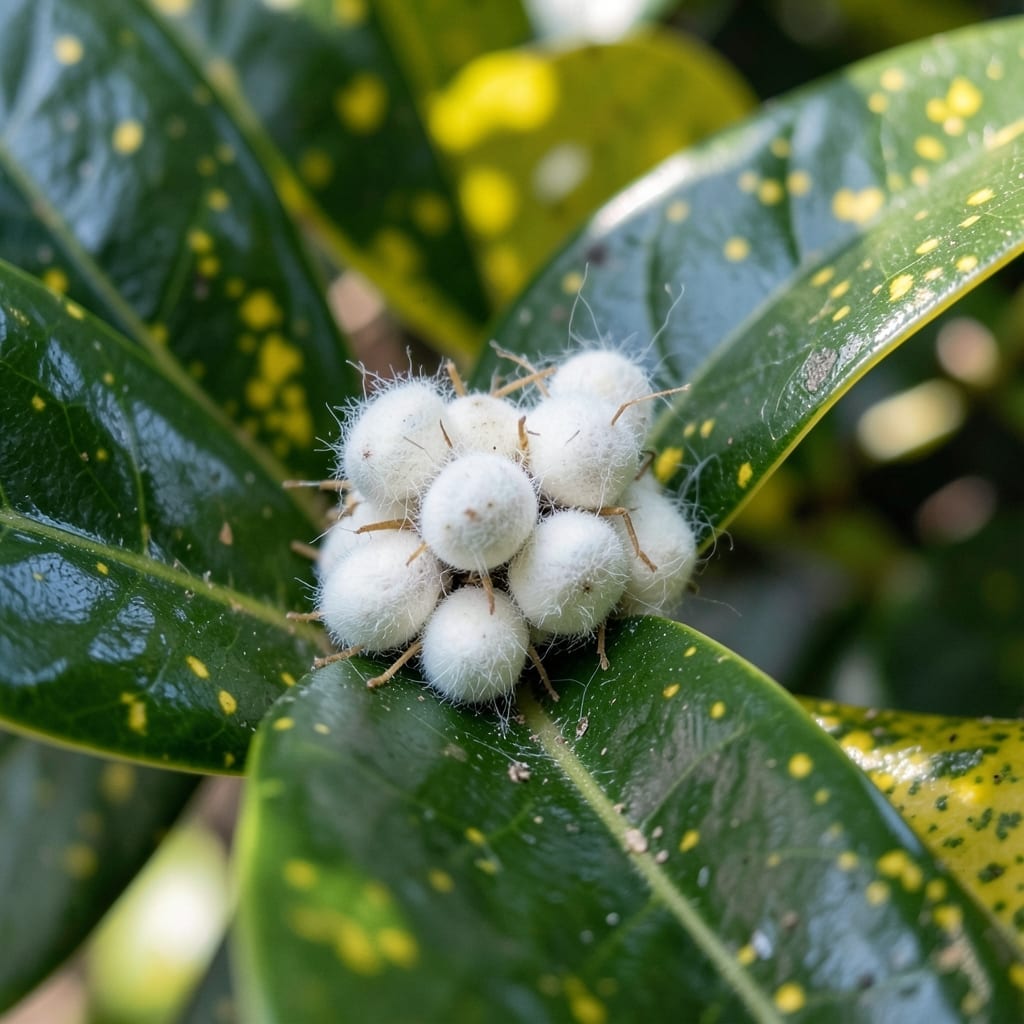
White cottony clusters on your aucuba leaves mean trouble. 🌿 I first spotted mealybugs on my aucuba last summer—tiny pests that multiply fast if ignored.
The damage starts subtle: yellowing leaves, stunted growth. Left unchecked, they’ll weaken the plant and spread to neighbors. The good news? These pests are treatable without harsh chemicals.
A simple mix of soap and water can knock them back. For stubborn cases, I’ve had success with neem oil applied weekly until they’re gone.
Prevention is easier than cure. Regular inspections and proper spacing keep these bugs from taking hold in the first place.
Mealybugs thrive on Aucuba japonica when conditions favor their rapid reproduction. Below are the most common causes, each rooted in environmental or cultural factors.
Mealybugs proliferate in warm, low-humidity environments (70–90°F). Aucuba plants in dry indoor settings or drought-stressed outdoor landscapes create ideal breeding grounds. These pests desiccate less in arid air, allowing nymphs to mature quickly.
Excess nitrogen from high-nitrogen fertilizers promotes lush, soft growth—a mealybug’s favorite. New, tender shoots lack the structural defenses (like thicker cuticles) that deter piercing mouthparts. Reduce fertilizer rates, especially in spring when mealybugs are most active.
Dense foliage or crowded plantings trap humidity and block airflow, creating microclimates where mealybugs cluster. Aucuba’s broad leaves can harbor pests in leaf axils or stem crevices. Prune to improve ventilation and disrupt pest colonies.
In outdoor settings, beneficial insects (e.g., lady beetles, lacewings) typically control mealybug populations. Pesticide overuse or monoculture plantings can eliminate these allies, leading to unchecked infestations. Introduce or preserve predator habitats.
Tackling mealybugs on your aucuba plant doesn’t have to be a battle. Here’s how to address common causes and restore your plant’s health with simple, effective fixes.
For small outbreaks, grab a cotton swab dipped in rubbing alcohol (70% isopropyl) and gently dab each mealybug. The alcohol dissolves their protective waxy coating, killing them on contact. Pro tip: 💡 Check under leaves and along stems—these pests love hiding in crevices!
Mix 1 tablespoon of dish soap and 1 liter of water, then spray the entire plant, focusing on clusters. Reapply every 3–4 days for 2 weeks. For stubborn cases, add 1 teaspoon of neem oil to the mix—its antifungal properties also prevent secondary infections.
If mealybugs keep coming back, isolate the aucuba for 2–3 weeks to break their lifecycle. Prune heavily infested branches with sterilized shears (wipe with alcohol between cuts) and dispose of clippings in sealed bags. Prevention tip: ✨ Inspect new plants before bringing them near your aucuba.
Stronger plants resist pests better. Fertilize lightly with a balanced (10-10-10) formula in spring, and water at the base to avoid damp foliage. Bonus: 🎯 Introduce ladybugs or lacewings—natural predators that feast on mealybugs!
Consistency is key. Repeat treatments until all signs of mealybugs vanish, and your aucuba will thank you with lush, vibrant growth!
Look for white cottony clusters in leaf axils and stem joints. Early signs include sticky residue (honeydew) and yellowing leaves.
Yes! Mealybugs travel easily between plants, especially in crowded gardens. Isolate affected aucuba immediately to prevent spread.
Vinegar isn’t recommended—it can harm aucuba leaves. Stick to rubbing alcohol, soapy water, or neem oil for safe, effective control.
Check weekly during warm months when mealybugs are most active. Pay extra attention to new growth and hidden areas.