
Beautiful Plants For Your Interior
Beautiful Plants For Your Interior
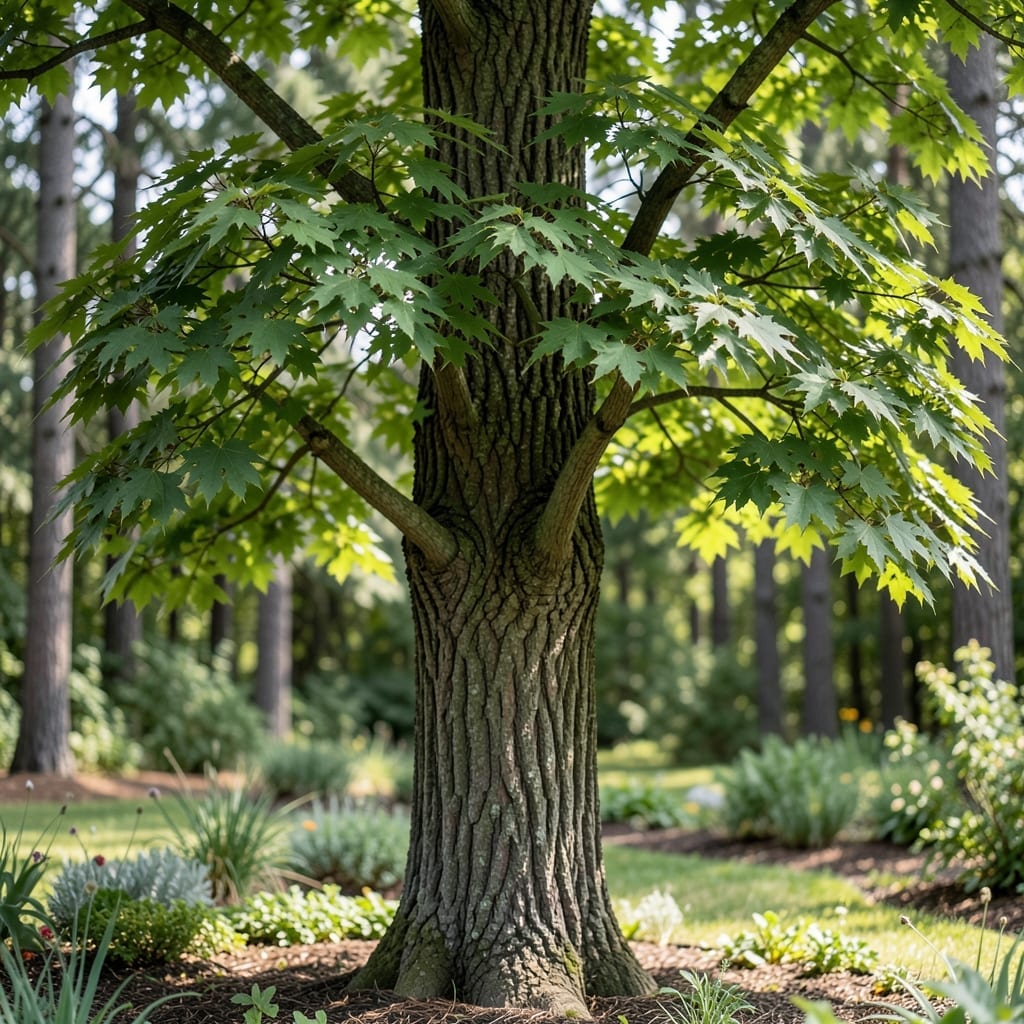
The bark on a 🌳 Maple Tree tells a silent story of age, resilience, and nature’s artistry. Those deep furrows and rugged textures aren’t just beautiful—they’re a window into the tree’s history and health.
I’ve spent years studying how mature maple bark transforms, and what it reveals can surprise even seasoned gardeners. From sugar to red maples, each variety develops its own unique patterns over time.
Let me show you how to read these natural clues and what they mean for your tree’s care. You’ll never look at maple bark the same way again.
When I examine a mature maple tree, the first thing that catches my eye is its deeply furrowed bark. These ridges and grooves form over decades, creating a distinctive texture that’s rough to the touch. The bark isn’t just a protective layer—it’s a living record of the tree’s growth patterns.
The color of maple bark varies by species. Sugar maples develop a dark brown to grayish hue, while red maples tend toward a lighter, reddish-brown. This coloration often darkens and deepens as the tree ages, adding to its visual appeal. 🌳
| Maple Type | Bark Texture | Color Pattern |
|---|---|---|
| Sugar Maple | Deep furrows | Dark brown, gray |
| Red Maple | Rough, scaly | Reddish-brown |
| Silver Maple | Shaggy, peeling | Light gray, silvery |
I’ve noticed that silver maples often develop a shaggy appearance, with bark that peels away in thin, curly strips. This is a natural process that helps the tree shed old layers and protect itself from pests. The peeling bark also creates unique visual interest in the landscape.
The ridge patterns on maple bark are another fascinating feature. These ridges form as the tree grows outward, creating a network of interconnected furrows. In older trees, these ridges can become quite pronounced and irregular, adding character to the trunk’s appearance.
Seasonal changes also affect the bark’s appearance. In winter, the bark often looks darker and more textured as moisture levels drop. During the growing season, the bark may appear lighter and smoother as new layers form underneath.
I always tell gardeners to observe the bark for signs of health. A vibrant, intact bark usually indicates a thriving tree, while cracks or peeling can signal stress. However, some peeling is normal, especially in silver maples, so it’s important to know your tree’s species.
For those looking to identify maple trees by their bark, I recommend starting with the ridge depth and color. Sugar maples have the deepest furrows, while red maples often have a scalier texture. These differences can help you tell them apart even in winter when leaves are gone. 🌿
The bark also plays a critical role in the tree’s survival. It protects against extreme temperatures, physical damage, and disease. A thick, healthy bark is a sign of a mature, resilient tree that can withstand environmental challenges.
If you’re planting a maple, remember that bark development takes time. Young trees start with smooth bark that gradually transforms as they mature. Providing consistent care during these early years will help ensure a strong, healthy bark as the tree grows.
Finally, I encourage you to touch and examine the bark of mature maples in your area. The texture and patterns are as unique as fingerprints, and they offer a tangible connection to the tree’s history and vitality. 🌳
As I watch maple trees grow, I’m always fascinated by how their bark transforms over time. Young maples start with smooth, thin bark that’s almost delicate to the touch. This early stage is all about protection and growth as the tree establishes itself.
By the time a maple reaches 10-15 years, I notice the first signs of textural changes. Small shallow grooves begin to form, creating a subtle pattern that hints at the tree’s age. This is when the bark starts to develop its characteristic ridges. 🌳
The most dramatic changes occur between 15-30 years. This is when the bark truly begins to furrow deeply, creating those iconic ridges we associate with mature maples. The color also darkens significantly during this period, shifting from light gray to rich browns.
After 30 years, the bark becomes a thick, rugged shield. The furrows grow deeper and more irregular in pattern, while the ridges become more pronounced. This mature bark isn’t just beautiful—it’s a testament to the tree’s resilience against decades of weather.
I find that environmental factors greatly influence bark development. Trees in drier climates often develop deeper cracks sooner, while those in moist areas may maintain smoother bark longer. The species matters too—sugar maples tend to furrow more dramatically than others.
This transformation isn’t just visual—it’s functional. As the bark thickens and furrows, it becomes better at regulating temperature and protecting against pests. That’s why I always tell gardeners that a deeply furrowed trunk is a sign of a healthy, established tree. 🌿