
Beautiful Plants For Your Interior
Beautiful Plants For Your Interior
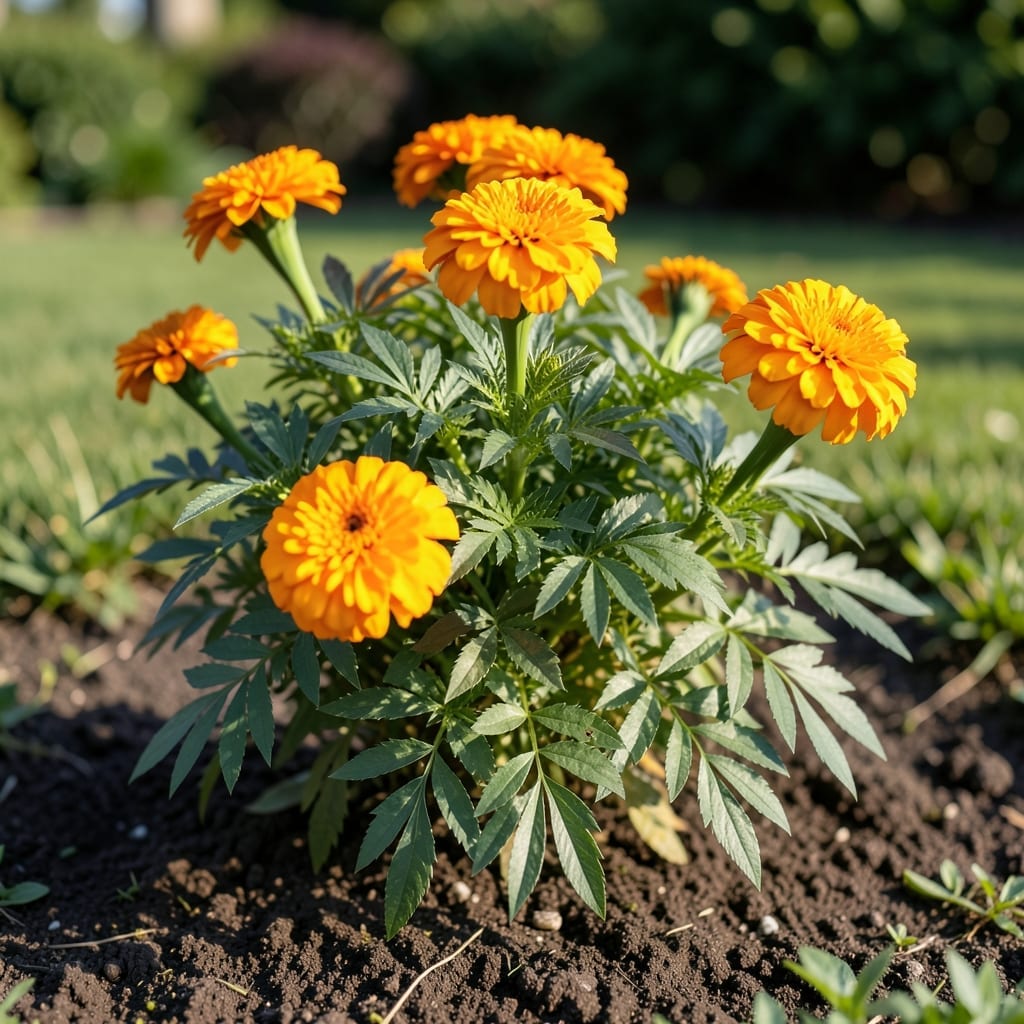
Marigolds light up gardens with their fiery 🌼 blooms, but their brilliance depends on one key factor: sunlight. Get this right, and you’ll enjoy vibrant, long-lasting flowers all season long.
I’ve seen too many gardeners struggle with weak, sparse marigolds simply because they misunderstood this plant’s needs. The truth is simpler than you might think.
These cheerful flowers thrive when they receive the proper amount of direct light. Without it, you’ll notice fewer blooms and leggy growth that just doesn’t impress.
Discover exactly how much sun your marigolds need to flourish and how to spot the warning signs when they’re not getting enough. Your garden will thank you.

I’ve found that marigolds thrive in full sun conditions, meaning they need at least 6 hours of direct sunlight each day. This is non-negotiable for vibrant, healthy blooms. Without enough sun, they’ll grow leggy and weak with fewer flowers.
Both French marigolds and African marigolds love sunshine, but Africans are slightly more sun-tolerant. In my garden, I plant them in the sunniest spots to maximize their potential. They reward me with bold, long-lasting blooms.
| Marigold Type | Sun Requirement | Bloom Impact |
|---|---|---|
| French Marigold | 6+ hours direct sun | Abundant, smaller blooms |
| African Marigold | 6-8 hours direct sun | Larger, dramatic blooms |
In my experience, morning sunlight is especially beneficial. It dries dew quickly, reducing the risk of fungal diseases. I always position my marigolds where they’ll get that early sun exposure to keep them healthy.
If you’re in a hot climate, don’t worry—marigolds handle heat well. In fact, they often bloom more profusely in warmer temperatures. Just ensure they’re not shaded by taller plants as the day progresses.
For container gardeners, place pots where they’ll receive uninterrupted sunlight. I’ve noticed my potted marigolds on the south-facing patio outperform those in shadier spots. Rotate containers occasionally for even sun distribution.
Remember that seedlings need sun too. When starting marigolds indoors, use a grow light for 12-14 hours daily. This mimics natural sunlight and prevents spindly growth before transplanting.
I’ve learned that soil temperature matters as much as sunlight. Marigolds prefer warm soil, so wait until after the last frost when temperatures are consistently above 60°F. This ensures they’ll establish quickly and thrive in the sun.
One pro tip: if your garden has dappled sunlight, marigolds can tolerate it, but expect fewer blooms. For the best results, prioritize full sun locations. I always reserve my sunniest beds for these cheerful, sun-loving flowers.
Finally, observe your plants. If they’re leaning toward the light, they need more sun. I simply move them to a brighter spot, and within days, they’re standing tall and proud with their faces turned toward the sky. ☀️
While marigolds thrive in full sun, they can tolerate partial shade with some adjustments. I’ve found they’ll still grow with 4-6 hours of sunlight, but the results differ from full-sun conditions. Expect fewer blooms and slightly leggier stems in shadier spots. ☀️
In my garden, French marigolds handle partial shade better than African marigolds. The smaller varieties seem more adaptable, though their vibrant colors may appear slightly muted. This makes them a good choice for edges of shaded beds or under taller plants. 🌱
To maximize success in partial shade, I recommend planting in well-draining soil and ensuring they get morning sunlight. This is when the sun’s rays are gentler but still effective for photosynthesis. Avoid deep shade, as this will significantly reduce flowering. 🌿
If your garden has dappled sunlight under trees, marigolds can work well there. I’ve seen them thrive in such conditions when paired with consistent watering. Just be prepared for a slightly longer time to maturity compared to full-sun plants.
For the best results in partial shade, consider starting seeds indoors to give them a head start. This way, they’ll be more established when moved to their shadier outdoor spots and better equipped to handle less light.
Remember, even in partial shade, marigolds need protection from harsh afternoon sun in very hot climates. A little afternoon shade can actually benefit them in extreme heat, preventing leaf scorch while still allowing for good bloom production. 🌼