
Beautiful Plants For Your Interior
Beautiful Plants For Your Interior
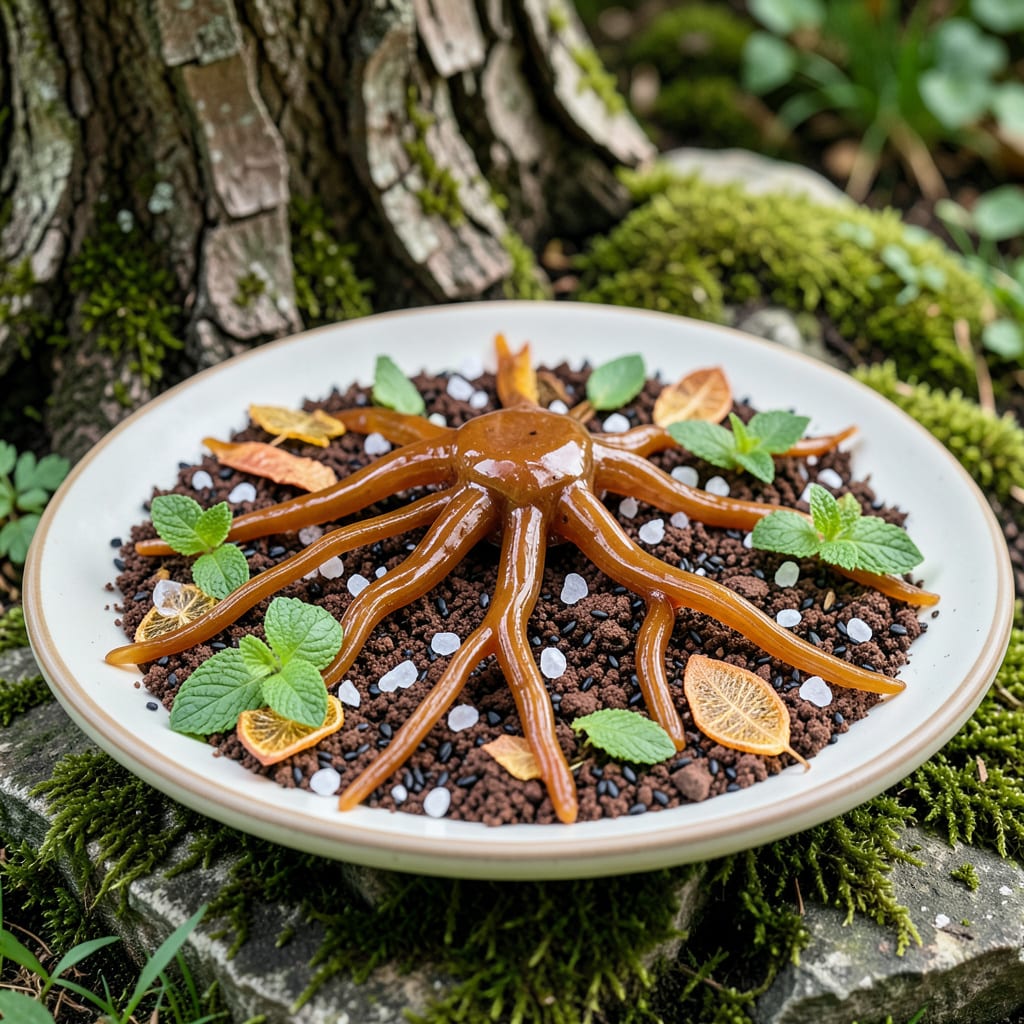
That first maple I planted taught me roots are the hidden heroes. They spread wide and shallow, creating a network that anchors the tree while competing with nearby plants.
Understanding this pattern helps you plant smart—give them space, mind the soil, and avoid future headaches. The payoff is a stable, long-lived tree that thrives for decades.
📚 In This Guide
Here’s how I observe and work with this tree’s unique underground structure in any landscape.
Maples develop a fibrous root system that spreads widely rather than growing deep. I notice most roots stay within the top 12-18 inches of soil, creating a dense network that can extend 2-4 times the width of the tree’s canopy.
This shallow but extensive system provides excellent stability, especially in windy conditions. You’ll see surface roots becoming visible as the tree matures, particularly in lawn areas where the grass thins out.
The key is recognizing that while the roots are shallow, they’re incredibly strong and can lift sidewalks or driveways if planted too close to hardscapes.
Watch how the roots grow outward in search of water and nutrients. I find that in ideal conditions, a mature maple’s roots can spread 50-100 feet from the trunk, though most active roots are within the drip line.
You’ll notice that maple roots are particularly aggressive near the soil surface. This is why they often compete with turfgrass, creating those characteristic bare patches beneath the canopy.
The tree’s root system also forms a symbiotic relationship with mycorrhizal fungi, which helps it absorb nutrients more efficiently from the soil.
When planting near established maples, I always dig carefully to avoid damaging the shallow roots. Even small cuts can stress the tree and create entry points for disease. The best approach is to hand-dig test holes to locate major roots before beginning any excavation.
For new plantings, I recommend placing the tree at least 15-20 feet away from structures, driveways, or sidewalks to prevent future damage. This distance accounts for both the tree’s mature size and its extensive root spread.
If you must plant closer, consider installing root barriers to direct growth away from hardscapes, but this should be done by professionals to avoid harming the tree.
Proper mulching is crucial for maple root health. I apply a 2-4 inch layer of organic mulch, keeping it 6 inches away from the trunk to prevent rot. This helps retain moisture and regulates soil temperature.
Avoid piling soil or mulch against the trunk, as this can suffocate the tree and encourage damaging root growth. Water deeply but infrequently to encourage roots to grow downward rather than just outward.
During dry periods, I water established trees at the drip line rather than near the trunk. This encourages the roots to spread outward and develop a stronger, more stable system.
Understanding this tree’s unique underground structure will save you headaches in landscaping and maintenance.
Root Depth Insight: Most roots stay within the top 12-18 inches of soil, which means they’re vulnerable to surface disturbances. Be especially careful when aerating lawns or digging near maples—even shallow work can damage this critical root zone.
Spreading Pattern Awareness: In Step 2, you’ll see roots can spread 50-100 feet from the trunk. When planning new plantings, remember that the 15-20 feet planting distance from structures in Step 3 accounts for this extensive reach. Don’t underestimate how far these roots will travel over time.
Mulching Technique: That 2-4 inch mulch layer in Step 4 works best with coarse organic material like wood chips. Keep it consistently 6 inches away from the trunk—this isn’t just about rot prevention but also about discouraging those surface roots from growing upward into the mulch.
Watering Strategy: When watering at the drip line as mentioned in Step 4, use a soaker hose for deep penetration. This encourages roots to grow downward within that 12-18 inch zone rather than spreading outward excessively, creating a more balanced root system.
Maple tree roots are typically shallow, often spreading horizontally within the top 12–18 inches of soil. However, some roots may extend deeper (3–4 feet) for stability and water access, especially in mature trees.
Yes, their wide-spreading roots can lift pavements or crack foundations over time. Plant them at least 20–30 feet away from structures to minimize risk. Regular root barrier installation can also help.
The root system can extend 2–3 times the tree’s canopy width. For example, a 20-foot-wide maple may have roots reaching 40–60 feet outward, competing with nearby plants for nutrients.
Prune problematic roots in late winter or early spring before new growth starts. Avoid heavy pruning, as it can stress the tree. Use mulch to discourage surface root growth.
Yes! Consider smaller varieties like Japanese maple (Acer palmatum) or Amur maple (Acer ginnala), which have less invasive root systems and are ideal for compact spaces.
