
Beautiful Plants For Your Interior
Beautiful Plants For Your Interior
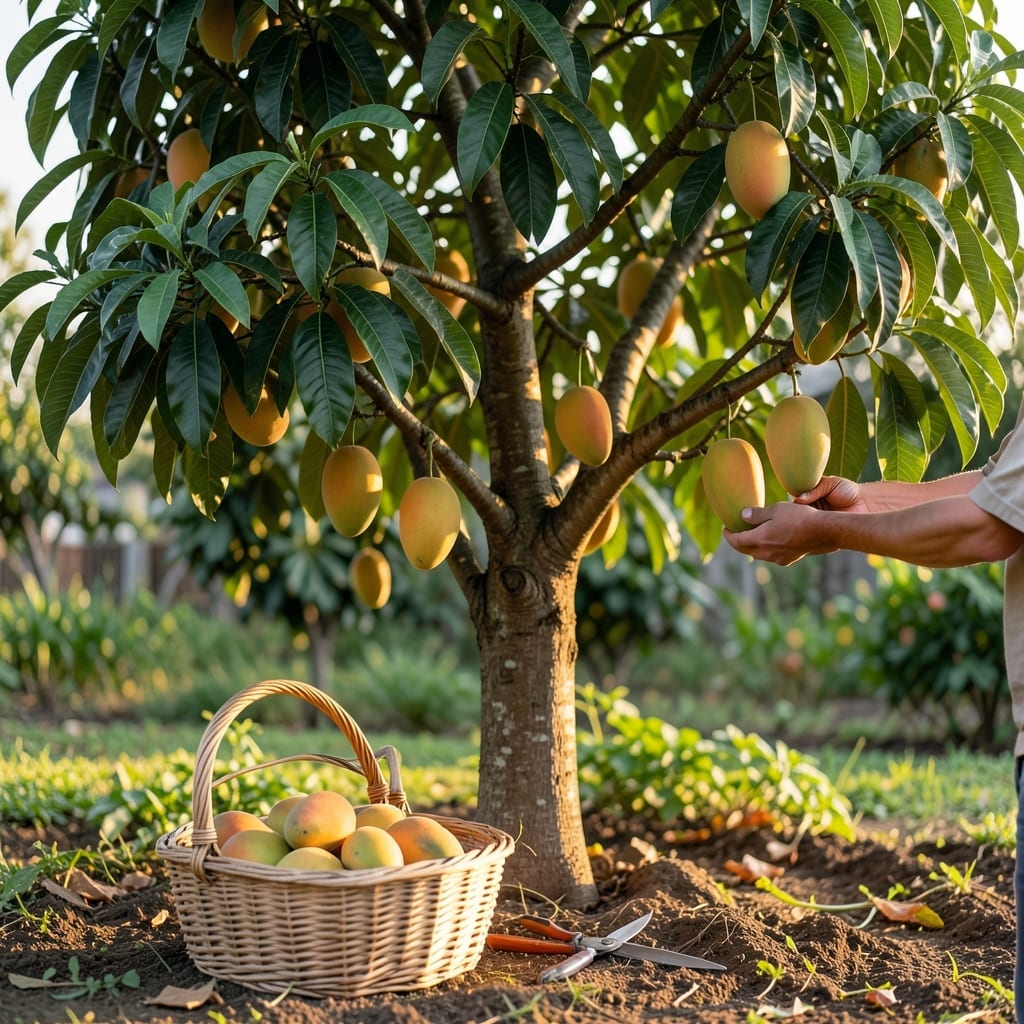
Harvesting mangoes at peak ripeness ensures the sweetest, juiciest fruit, but timing it wrong can leave you with hard, flavorless results.
I’ve learned the hard way that picking a Mango Tree🥭 too early or too late makes all the difference. Whether you’re a seasoned gardener or a first-time grower, knowing the right moment to harvest is the key to enjoying that perfect tropical flavor.
From subtle color shifts to the telltale sweet aroma, there are clear signs your mangoes are ready. I’ll walk you through what to look for and how to pick without damaging your tree.
Discover the simple, foolproof methods that guarantee a bountiful and delicious harvest every time.


Knowing when to harvest your mango tree is key to enjoying the best flavor and texture. I always look for visual cues first, like color changes from green to vibrant yellow, orange, or red hues.
Another telltale sign is the sweet aroma near the stem end. If the fruit gives slightly under gentle pressure, it’s likely ready for picking. This is especially true for varieties like Alphonso or Keitt.🌳
| Sign | Description |
|---|---|
| Color Change | Green to yellow, orange, or red |
| Sweet Aroma | Strong sweet scent at stem end |
| Fruit Texture | Soft to gentle touch |
| Stem Separation | Stem easily detaches from branch |
Timing also matters. In USDA zones 10a-11, mangoes typically ripen between May and September. However, regional variations and microclimates can shift this window slightly.
I’ve noticed that early morning harvesting often yields the best results. The fruit is firmer and less prone to bruising when temperatures are cooler. Avoid picking during rainy or humid conditions.🌿
For dwarf mango trees, the process is similar, but the fruit may ripen a bit earlier due to their smaller size. Always check the stem end for the first signs of ripeness.
If you’re unsure, try the float test. Place a few mangoes in water—if they float, they’re likely ripe. This simple trick works well for home gardeners without fancy tools.
Remember, overripe mangoes can fall naturally from the tree. If you see a lot of fruit on the ground, it’s a sign to check the remaining mangoes immediately for ripeness.
Lastly, taste testing is the ultimate confirmation. Pick one or two mangoes and sample them. If they’re sweet and juicy, the rest of the harvest is ready to go.✂️
Harvesting mangoes at the right time is only half the battle. I’ve found that using the correct picking method prevents bruising and keeps both the tree healthy and the fruit intact.
For low-hanging fruit, I always hand-pick by gently twisting the mango until it snaps off at the stem. This avoids tearing the fruit skin or damaging the branch.
For higher branches, I recommend a pole picker with a soft catching basket. This tool lets you reach tall fruit without climbing, which can be dangerous for both you and the tree.
Timing matters too. I always harvest in the early morning when temperatures are cooler. This reduces stress on the tree and helps the fruit retain moisture.
Never pull mangoes directly off the branch. This can damage the fruit stem and the tree. Instead, use a gentle twisting motion to ensure a clean break.
Finally, place a soft landing pad or basket under the tree to catch any fruit that falls during harvesting. This prevents bruising and keeps your mangoes in perfect condition for storage or eating fresh. ✂️