
Beautiful Plants For Your Interior
Beautiful Plants For Your Interior
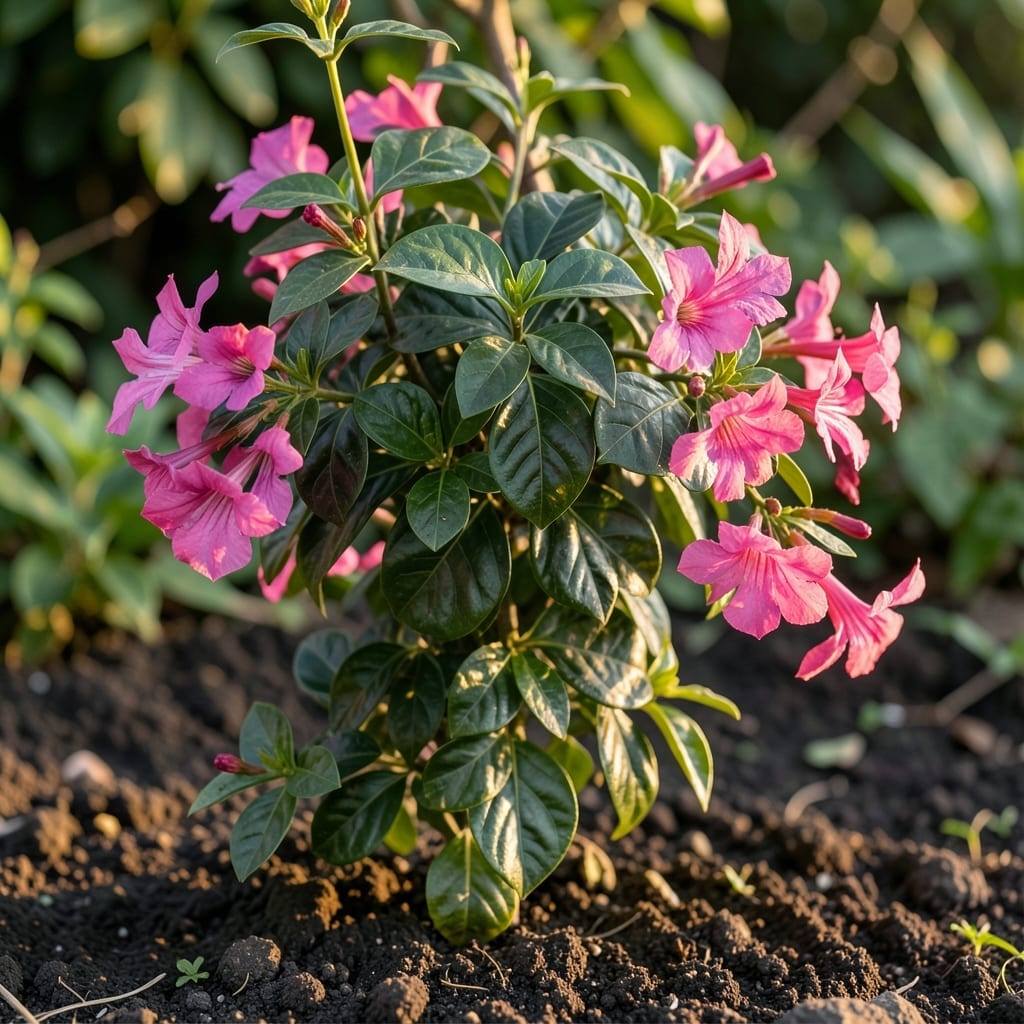
Mandevillas dazzle with their vibrant blooms, but their temperature sensitivity can make or break your garden success. These tropical vines have specific needs that many gardeners overlook until it’s too late.
Understanding their cold hardiness and heat limits is the key to keeping 🌸 Mandevilla thriving. In zones 9-11, they flourish with proper care, but push them beyond their comfort range and you’ll see the difference immediately.
Whether you’re facing unexpected frosts or scorching summers, knowing these temperature boundaries helps you act before stress sets in. I’ve seen firsthand how the right adjustments can transform struggling plants.
Discover how to protect your Mandevilla from temperature extremes and keep those stunning flowers coming all season long. Let’s make your garden the envy of the neighborhood.
As a tropical vine, mandevilla thrives in warmth but struggles when temperatures drop. I’ve learned these plants are not frost-tolerant and can suffer damage at 50°F (10°C) or below. Their ideal range is 60-85°F for vibrant growth.
In USDA zones 9-11, mandevillas can overwinter outdoors with protection. However, in colder zones, they’re best grown as annuals or brought indoors before the first frost. Even a light frost can kill the plant quickly.
| Requirement | Specification |
|---|---|
| Minimum Temperature | 50°F (10°C) |
| Frost Tolerance | None |
| Ideal Growing Range | 60-85°F (15-29°C) |
| USDA Hardiness Zones | 9-11 |
| Overwintering Strategy | Indoors in colder zones |
When temperatures dip below 50°F, mandevillas often show leaf yellowing and growth slowing. I recommend moving potted plants indoors or to a protected area before this happens. Even indoors, keep them in a sunny spot with temperatures above 60°F.
For gardeners in zone 8 or colder, growing mandevillas in containers is ideal. This allows you to move them inside during winter. I’ve found that a sunroom or greenhouse works well for overwintering.
If you must leave mandevillas outside in borderline zones, mulch heavily around the base and use frost cloth during cold snaps. However, prolonged exposure to freezing temperatures will likely kill the plant.
Another tip: prune back the plant in late fall to reduce its size before moving it indoors. This makes the transition easier and encourages new growth in spring. I’ve seen mandevillas bounce back beautifully after a proper winter rest.
Remember, consistent warmth is key. Avoid placing indoor mandevillas near drafty windows or cold floors. A heat mat can help maintain root warmth if needed.
Finally, monitor soil temperature as well. Cold soil can shock the roots even if air temperatures are mild. Use a soil thermometer to ensure it stays above 60°F for best results.
With these strategies, your mandevilla can thrive year-round, even in less-than-ideal climates.
🌿I’ve found that Mandevillas thrive in heat but have their limits. These tropical vines love temperatures between 70°F and 90°F, where they produce the most vibrant blooms. However, when the mercury climbs above 100°F, they can start to struggle.
In extreme heat, you might notice wilting leaves or scorched petals. The plant’s ability to absorb water slows down, leading to stress. I always recommend shade cloth or afternoon shade in the hottest parts of summer.
I’ve seen Mandevillas bounce back quickly once temperatures drop below 95°F. Their resilience is impressive, but consistent extreme heat can weaken them over time. A well-draining soil is crucial to prevent root rot during heatwaves.
If you’re in a desert climate, consider growing Mandevillas in containers. This lets you move them to shadier spots when temperatures soar. I’ve had success with this method in Zone 10.
Another tip: Drip irrigation works wonders in hot weather. It delivers water directly to the roots, reducing waste and preventing leaf scorch. I set mine to run for 15-20 minutes every other day during heatwaves.
Remember, healthy Mandevillas can handle heat better than stressed ones. Regular feeding with a balanced fertilizer helps them build resilience. Just avoid fertilizing during the hottest part of the day.
With the right care, your Mandevillas can thrive even in summer heat. It’s all about consistent moisture and strategic shade ☀️