
Beautiful Plants For Your Interior
Beautiful Plants For Your Interior
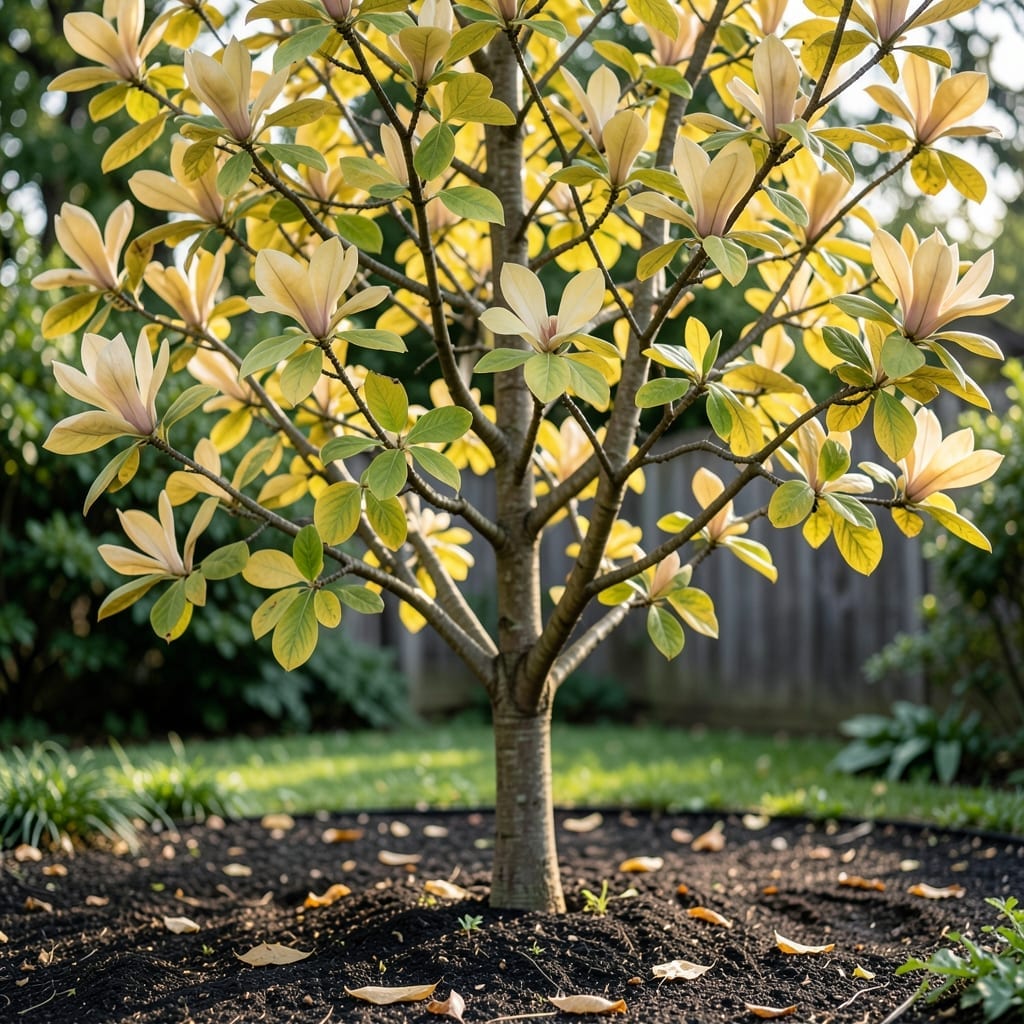
Yellow leaves on your magnolia aren’t just unsightly—they’re a distress signal. I’ve dealt with this issue more times than I care to admit, and the causes range from simple fixes to deeper problems you can’t ignore.
Most often, it’s about water—either too much or too little—or a nutrient deficiency that’s throwing your tree off balance. But pests and diseases can also turn those glossy green leaves a sickly yellow almost overnight.
The good news? With the right diagnosis, you can reverse the damage. Organic treatments work surprisingly well, and prevention starts with understanding what your magnolia actually needs to thrive.
Let’s sort through the possibilities and get your tree back to its vibrant green self. No guesswork, just solutions.
Magnolias are hardy, but yellowing leaves always signal an underlying issue. Below are the most common causes, explained in plain science so you can diagnose and act fast.
Magnolias craving nitrogen, iron, or magnesium often turn yellow. Nitrogen deficiency starts in older leaves, while iron (a mobile nutrient) causes interveinal chlorosis—yellowing between green veins, especially in young leaves. Test soil pH; magnolias prefer 5.0–6.5. If pH is off, nutrients lock up, starving the tree.
Soggy roots suffocate, blocking oxygen uptake. This stresses the tree, leading to yellow, wilting leaves. Magnolias hate “wet feet.” Check drainage: if water pools after rain, amend soil with compost or create a slight mound at the base.
Verticillium wilt and phytophthora root rot are silent killers. Verticillium clogs water-conducting vessels, causing sudden yellowing and browning in sections of the tree. Phytophthora thrives in wet soil, rotting roots. Both spread fast—remove infected debris and improve airflow to prevent spores.
Extreme heat, cold snaps, or transplant shock can trigger leaf yellowing. Magnolias are sensitive to late frosts (damaging new growth) or drought (causing leaf scorch). Mulch heavily to insulate roots and water deeply during dry spells.
Tackling yellow leaves on your magnolia starts with pinpointing the cause. Below are targeted fixes for each common issue, along with tips to keep your tree thriving.
Fix: Test your soil with a pH kit (magnolias prefer slightly acidic to neutral soil, 5.5–7.0). If iron or magnesium is lacking, apply a chelated iron supplement or Epsom salt spray (1 tbsp per gallon of water) to the leaves. For nitrogen deficiencies, use a balanced organic fertilizer (10-10-10) in early spring.
Prevention: Mulch annually with compost to slowly enrich the soil. Avoid over-fertilizing, which can burn roots.
Fix: Check the soil 2 inches down—if it’s soggy, halt watering and let it dry out. For poor drainage, amend the soil with perlite or sand and ensure the planting area has a slight slope. If root rot is suspected, trim affected roots and repot in fresh, well-draining soil.
Prevention: Water deeply but infrequently (1–2 times weekly) and use a moisture meter to avoid guesswork.
Fix: Inspect leaves for scale, aphids, or spider mites. Blast them off with a strong water spray, then apply neem oil or insecticidal soap every 5–7 days until gone. For severe cases, introduce beneficial insects like ladybugs.
Prevention: Encourage biodiversity in your garden to deter pests naturally. Prune crowded branches to improve airflow.
Fix: If leaves scorch from too much sun, erect a shade cloth during peak afternoon hours. For cold damage, wrap young trees in burlap before winter. Transplant shock? Keep the root ball moist and avoid fertilizing for 2–3 months.
Prevention: Plant magnolias in partial shade in hot climates and mulch heavily to regulate soil temperature.
With proper care, new growth should appear green in 2-4 weeks. Existing yellow leaves typically won’t recover, but the tree will produce healthy new ones. Patience is key—consistent treatment yields the best results.
Only if caused by contagious issues like fungal diseases or pests. Verticillium wilt can spread through soil, while pests may move between plants. Isolate affected trees and treat promptly to prevent spreading.
Yes, deciduous magnolias naturally shed leaves in autumn. However, if yellowing occurs in spring or summer, it signals a problem. Evergreen varieties should retain most foliage year-round.
Use a soil test kit from any garden center. Collect samples from 4-6 inches deep near the root zone. Follow package instructions for accurate results. These kits cost $10-$20 and provide quick answers.