
Beautiful Plants For Your Interior
Beautiful Plants For Your Interior
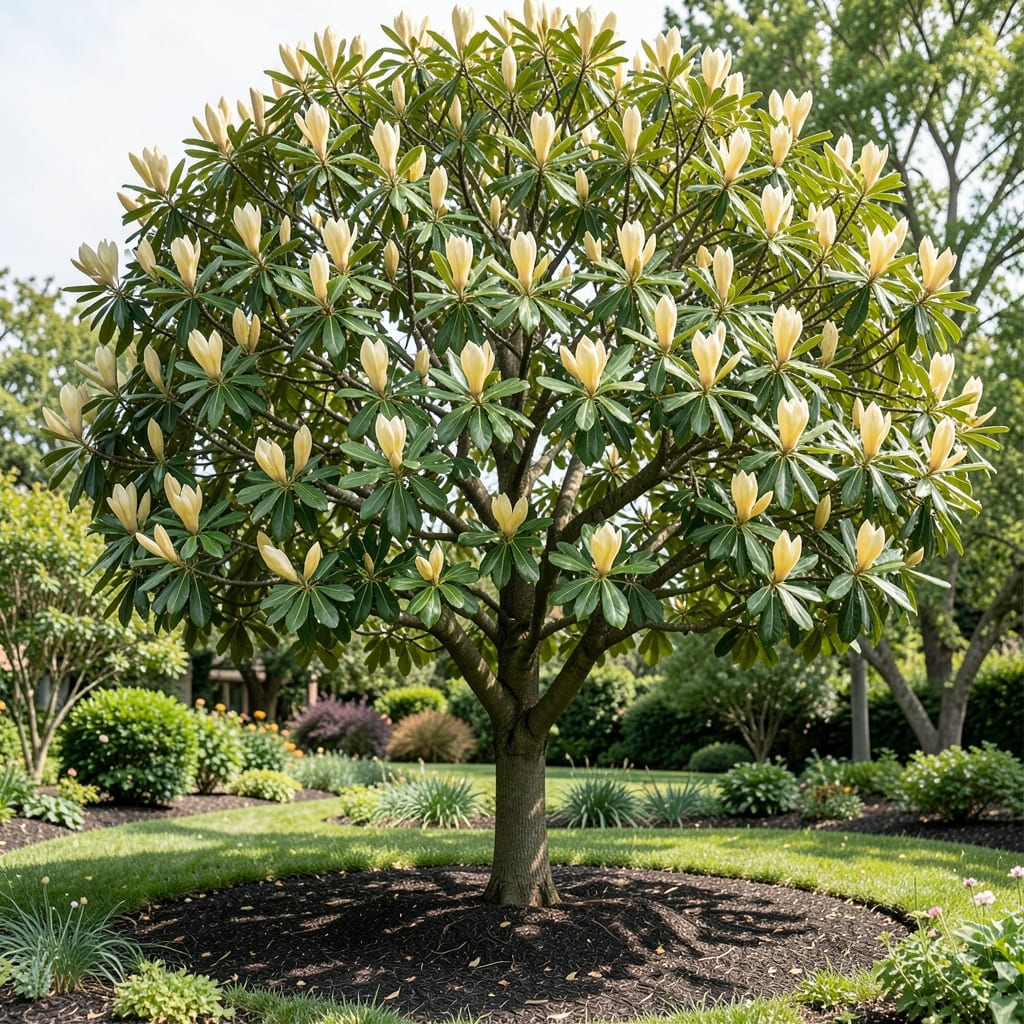
Yellow leaves on your magnolia aren’t just unsightly—they’re a distress signal. I’ve seen this exact pattern in my own garden, and the fix always starts with proper diagnosis.
Often it’s iron deficiency showing up as pale yellow leaves with green veins, or overwatering turning them a sickly hue. Sometimes it’s a fungal issue creeping in from too much moisture.
Soil tests reveal nutrient gaps, while adjusting watering habits can stop the spread. The right treatment brings back that deep green glow within weeks.
Works for established trees and new plantings alike. Here’s how to pinpoint and solve the problem.
When your magnolia’s lush green leaves start turning yellow, it’s often a sign of stress or an underlying issue. Here are the most common causes, explained simply with actionable solutions.
Yellowing leaves, especially between the veins, often point to iron or magnesium deficiency. Magnolias thrive in acidic soil (pH 5.0–6.5). If your soil is alkaline, iron becomes less available, leading to chlorosis (yellowing). Fix: Test your soil and amend with sulfur or chelated iron. A foliar spray of Epsom salt (magnesium sulfate) can also help.
Too much water or compacted soil suffocates roots, reducing oxygen uptake and causing yellowing. Magnolias prefer well-draining soil. Fix: Check drainage by digging a small hole—if water pools for hours, improve soil structure with organic matter like compost. Water only when the top 2–3 inches of soil are dry.
Extreme heat, drought, or sudden temperature drops can stress magnolias, triggering leaf yellowing. Newly planted trees are especially vulnerable. Fix: Mulch heavily (2–4 inches) to retain moisture and regulate soil temperature. Provide afternoon shade in scorching climates and water deeply during dry spells.
Sap-sucking pests like scale insects, aphids, or spider mites drain nutrients from leaves, causing them to yellow and drop. Inspect the undersides of leaves for sticky residue (honeydew) or webbing. Fix: Blast pests off with water or apply horticultural oil/neem oil for severe infestations.
Fungi like Phytophthora root rot or leaf spot can cause yellowing, often accompanied by brown spots or wilting. Wet, poorly drained conditions encourage fungal growth. Fix: Remove infected leaves, improve air circulation, and avoid overhead watering. Fungicides may be needed for severe cases.
If your magnolia’s leaves are turning yellow, act fast to restore its health. Below are targeted fixes for the most common causes, along with prevention tips to keep your tree thriving.
Fix: Check the soil moisture by inserting your finger 2 inches deep—if it feels soggy, pause watering. For poor drainage, amend the soil with compost or sand to improve aeration. If the tree is in a pot, ensure it has drainage holes.
Prevent: Water only when the top 1-2 inches of soil are dry. Use a moisture meter for accuracy. 💡 Pro tip: Mulch around the base (but not touching the trunk) to retain moisture without waterlogging.
Fix: Yellow leaves often signal a lack of nitrogen, iron, or magnesium. Apply a balanced, slow-release fertilizer (10-10-10) in early spring. For iron deficiency (yellowing between veins), use chelated iron spray or soil drench.
Prevent: Test your soil every 2-3 years to monitor nutrient levels. Feed magnolias annually with a fertilizer designed for acid-loving plants if your soil is alkaline.
Fix: Inspect leaves for aphids, scale, or spider mites. Blast them off with a strong water spray, or apply insecticidal soap or neem oil. For severe cases, use horticultural oil.
Prevent: Encourage beneficial insects like ladybugs by planting companion flowers. Keep the area around the tree clean to deter pests. ✨ Regularly check undersides of leaves for early signs.
Fix: If yellowing is due to excessive sun or wind, provide temporary shade (e.g., shade cloth) or relocate potted magnolias. For frost damage, prune affected leaves and mulch heavily to protect roots.
Prevent: Plant magnolias in a spot with partial shade, especially in hot climates. Water deeply before extreme weather to help the tree cope.
Fix: Remove and destroy infected leaves to prevent spread. Treat with a copper-based fungicide, and improve air circulation by pruning crowded branches.
Prevent: Avoid overhead watering—use a soaker hose instead. Space trees properly and clean up fallen leaves promptly. 🎯 Disinfect pruning tools between cuts!
Check the soil 2 inches deep—if it feels soggy or smells musty, overwatering is likely. Yellowing often pairs with wilting or leaf drop in this case.
Apply a chelated iron foliar spray for fast absorption, or use iron sulfate soil drench. Results appear in 1-2 weeks. Test soil pH first—aim for 5.0–6.5.
Severely damaged leaves won’t recover, but new growth will if the issue is fixed. Prune yellow leaves to redirect energy to healthy foliage.
Water deeply when the top 1-2 inches of soil are dry. Avoid daily light watering—it encourages shallow roots. Use a moisture meter for precision.