
Beautiful Plants For Your Interior
Beautiful Plants For Your Interior
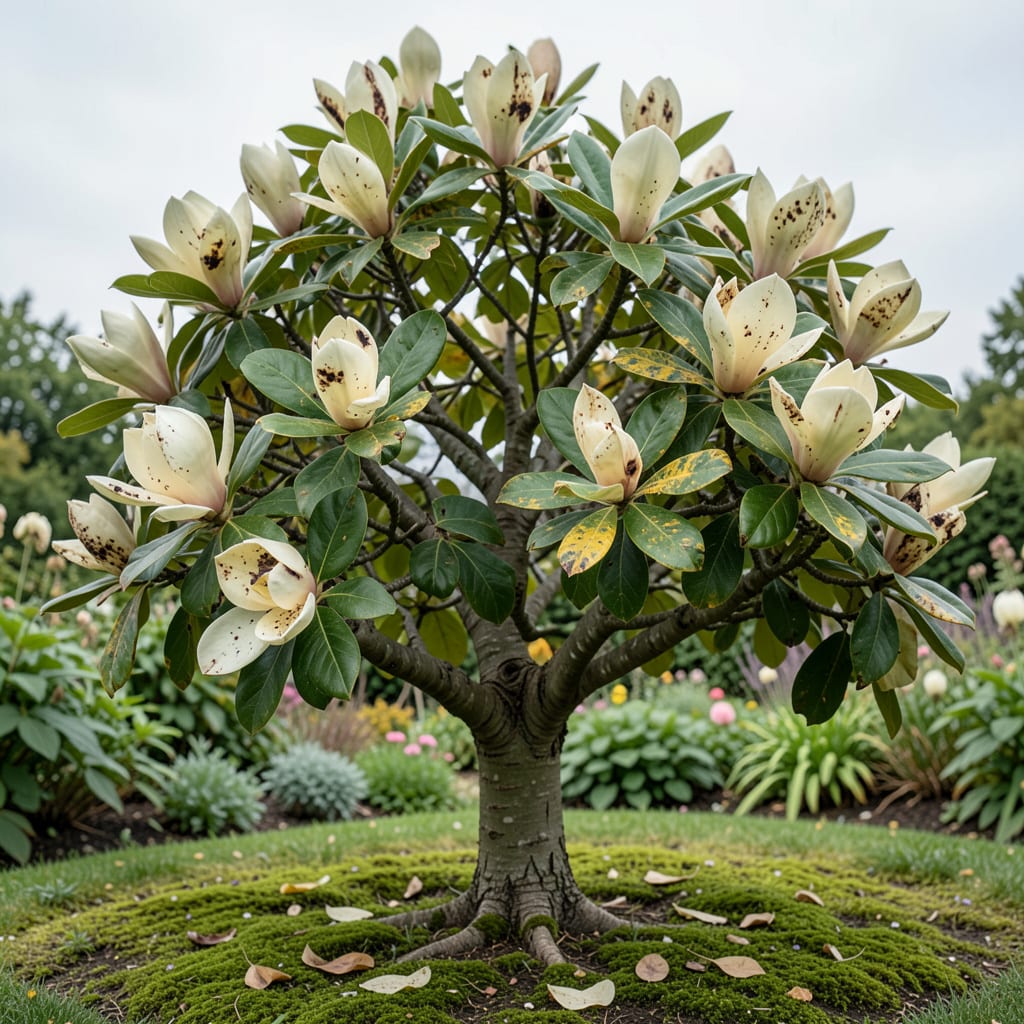
Spotted yellow leaves on your magnolia aren’t just unsightly—they’re a cry for help. I learned this the hard way after losing a mature tree to bacterial leaf spot that I ignored for weeks.
Most magnolia diseases announce themselves visually: dark splotches, powdery coatings, or wilting branches. The good news is that early intervention with organic treatments can save your tree. You just need to know what you’re looking at.
I’ve compiled the most common culprits with clear images so you can match symptoms to solutions. No guesswork, no expensive chemicals—just targeted, natural fixes that work.
This guide helps you diagnose fast and treat effectively, before minor issues become major problems.
Magnolia trees are hardy, but certain conditions make them vulnerable to disease. Below are the primary causes behind common magnolia ailments, explained with actionable insights.
Fungal diseases like powdery mildew and leaf spot thrive in damp environments. Overwatering, heavy clay soil, or poor air circulation traps moisture around leaves and roots, creating ideal breeding grounds for spores. Phyllosticta and Septoria fungi, for example, spread rapidly when foliage stays wet for extended periods.
High humidity (above 80%) combined with warm temperatures (70–85°F) accelerates fungal growth. Conversely, sudden frost or heat stress weakens the tree’s defenses, making it susceptible to bacterial blight (Pseudomonas syringae) or canker diseases. Magnolias in regions with erratic weather patterns often show stress-related symptoms first.
Insects like scale, aphids, and magnolia borers damage bark and leaves, creating entry points for pathogens. For instance, Xylosandrus beetles introduce fungi that cause wood rot, while sap-sucking pests spread viral infections. Regularly inspect undersides of leaves and branch crotches for early signs of infestation.
Magnolias prefer slightly acidic soil (pH 5.5–6.5). Alkaline or compacted soils limit nutrient uptake (e.g., iron or manganese), leading to chlorosis (yellowing leaves). Weakened trees struggle to fend off opportunistic diseases like verticillium wilt. A soil test can pinpoint deficiencies before symptoms appear.
Improper pruning—especially with dull or unsterilized tools—leaves jagged cuts that invite Botryosphaeria canker or Nectria twig blight. Always prune during dry weather, and sterilize tools with 70% isopropyl alcohol between cuts. Even minor injuries (e.g., lawnmower nicks) can become infection sites.
Tackling magnolia tree diseases starts with identifying the issue and applying targeted solutions. Below are practical fixes for common problems, along with prevention tips to keep your tree thriving. 🌳✨
For powdery mildew or leaf spot, remove infected leaves immediately to prevent spread. Apply a copper-based fungicide or neem oil spray every 7–10 days until symptoms fade. Prevention tip: Space trees properly for airflow, and water at the base to keep foliage dry. 💡
Scale, aphids, or weevils? Introduce beneficial insects like ladybugs or use insecticidal soap for minor outbreaks. For stubborn pests, apply horticultural oil in early spring. Prevention tip: Inspect leaves weekly and prune heavily infested branches. 🎯
If roots are mushy or black, stop watering and improve drainage by amending soil with compost or sand. Trim affected roots with sterilized shears. Prevention tip: Plant magnolias in well-draining soil and avoid overwatering. 🌡️
Yellowing leaves often signal iron or magnesium deficiency. Conduct a soil test, then add chelated iron or Epsom salt (for magnesium). Prevention tip: Fertilize with a balanced, slow-release formula in early spring. ✨
Regular monitoring and quick action can save your magnolia from most diseases. Stay vigilant, and your tree will reward you with lush blooms! 🌸
Healthy leaves are deep green, smooth, and free of spots or discoloration. They should feel firm with no sticky residue or powdery coating. Any deviation often signals an underlying issue that needs attention.
This classic pattern usually indicates iron chlorosis, caused by alkaline soil. A soil test can confirm the pH imbalance. Treat with chelated iron or sulfur to lower soil pH.
Yes! A mix of 1 teaspoon baking soda and 1 quart water with a drop of dish soap can help with mild fungal issues. Apply weekly for prevention, but switch to copper fungicide for severe cases.
Check leaves and branches weekly during growing season. Focus on undersides of leaves and branch junctions where problems often start. Early detection makes treatment much easier.
