
Beautiful Plants For Your Interior
Beautiful Plants For Your Interior
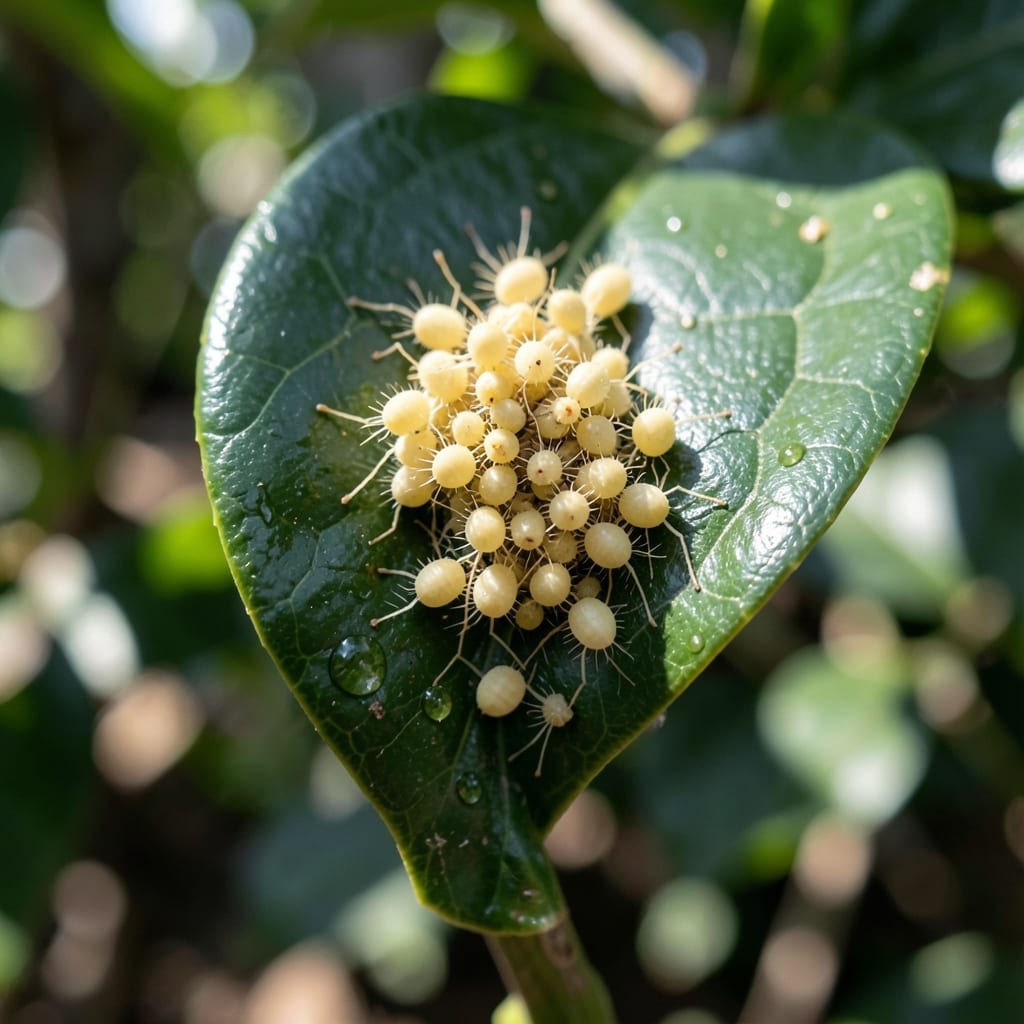
Those tiny mites can turn healthy lychee leaves into a crinkled mess. I’ve battled erinose mites in my own orchard and found the right spray makes all the difference.
Early signs include bronze or blistered leaves, often with a velvety texture. Left unchecked, these pests weaken trees and reduce fruit quality. A targeted approach works better than broad-spectrum sprays.
Organic options like neem oil or sulfur can knock them back without harming beneficial insects. Timing matters—treat at first signs and repeat every 10-14 days for best results.
Prevention starts with good airflow and regular tree inspections. Healthy trees resist infestations better, so don’t skip the basics.
The lychee erinose mite, Aceria litchii, thrives under specific environmental and agricultural conditions. Understanding these triggers helps in preventing and managing outbreaks effectively. Below are the primary causes behind its occurrence.
Lychee erinose mites flourish in tropical and subtropical climates, where temperatures range between 77–86°F (25–30°C) and humidity levels exceed 70%. These conditions accelerate their life cycle, allowing rapid reproduction. Regions with prolonged warm, wet seasons are particularly vulnerable to infestations.
Neglected orchards with fallen leaves, fruit debris, or unpruned branches create ideal breeding grounds for mites. These materials harbor mites and their eggs, ensuring their survival between growing seasons. Regular sanitation—removing plant litter and pruning infested parts—disrupts their lifecycle.
Mites are microscopic and often go unnoticed until visible symptoms (e.g., erinose galls on leaves or fruit) appear. Delayed detection allows populations to explode. Implement routine scouting with a magnifying glass, especially during new flush growth, to catch infestations early.
Some lychee cultivars, such as ‘Brewster’ or ‘Mauritius’, are more prone to mite attacks due to thinner leaf cuticles or higher sugar content. Growers in high-risk areas should opt for resistant varieties like ‘Kwai Mi’ or ‘Saharanpur’ where possible.
Tackling lychee erinose mite infestations requires a mix of immediate action and long-term prevention. Here’s how to address the issue effectively:
If you spot curled, distorted leaves or hairy galls on your lychee tree, act fast. Prune and remove all infested leaves, shoots, and fruits. Burn or seal the affected plant material in a bag to prevent the mites from spreading. Sanitize your pruning tools with rubbing alcohol afterward to avoid cross-contamination.
Apply organic miticides like neem oil, horticultural oil, or sulfur-based sprays. These are effective against erinose mites while being gentle on the tree. Spray thoroughly, covering both sides of the leaves, and repeat every 7–10 days until the infestation clears. For severe cases, consider chemical miticides containing abamectin or spirodiclofen, but follow label instructions carefully.
A healthy tree resists pests better. Fertilize regularly with a balanced formula and ensure proper irrigation—lychee trees thrive in well-drained soil. Mulch around the base to retain moisture and suppress weeds, which can harbor mites.
💡 Pro Tip: Apply sprays during the cool part of the day (early morning or late afternoon) to avoid leaf burn and maximize effectiveness.
Apply organic miticides every 7–10 days for active infestations. Repeat for at least 2-3 cycles to break the mite lifecycle. Always spray in the early morning or late afternoon.
Use extreme caution with chemical treatments on young lychee trees. Strong miticides may damage tender growth. Stick to neem oil or sulfur for saplings under 2 years old.
Seal pruned leaves and shoots in a plastic bag immediately. Burn or dispose through municipal green waste—never compost. This prevents mites from spreading back to healthy trees.
Beneficial insects like ladybugs help but rarely eliminate established infestations alone. Combine with targeted sprays and pruning for best results. They’re most effective for prevention.