
Beautiful Plants For Your Interior
Beautiful Plants For Your Interior
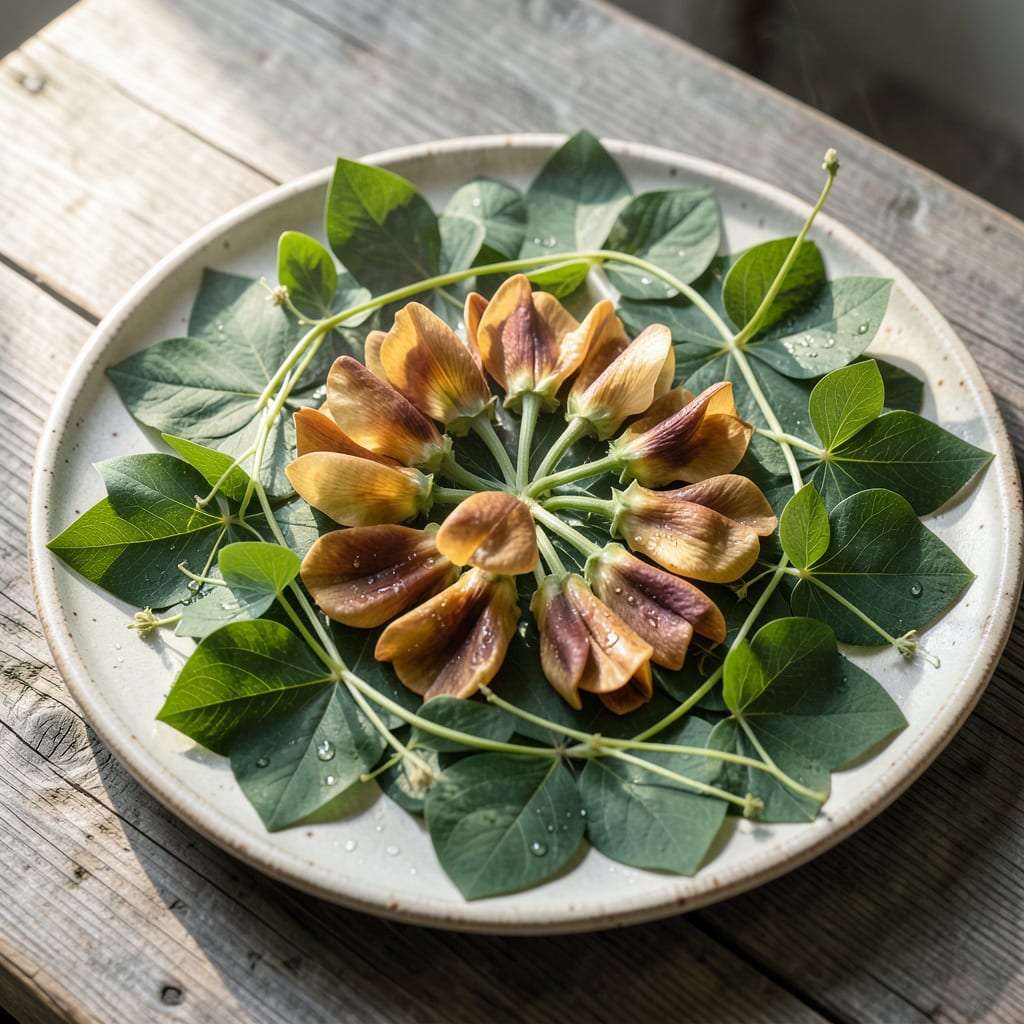
Brown lupin leaves mean your plants are crying for help. I’ve seen this happen mid-summer when conditions shift suddenly, and the fix is usually simpler than it looks.
Most cases trace back to 3 common culprits: too much water, not enough nutrients, or leaf scorch from intense sun. The pattern of browning tells you which one—yellow edges mean nitrogen, crispy tips mean dry soil.
With the right adjustment, new growth returns in 7-10 days. I saved a patch of wilting lupins last July by cutting back on water and adding compost. They rebounded faster than I expected.
Prevention is easier than cure. Consistent watering, shade during peak heat, and spring soil prep keep leaves green all season. Here’s how to diagnose and fix it.
Several factors can trigger browning in lupin leaves, each tied to environmental stress or cultural mismanagement. Below are the most frequent culprits, explained with actionable insights.
Lupins thrive in cool to moderate temperatures. When exposed to prolonged heat above 85°F (29°C) or inconsistent watering, leaves may scorch at the edges, turning crisp and brown. This happens because transpiration exceeds water uptake, leading to cellular damage. Drought stress also reduces nutrient mobility in the soil, exacerbating deficiencies.
While lupins enjoy moisture, soggy soil suffocates roots and invites fungal pathogens like Phytophthora or Fusarium. Waterlogged conditions prevent oxygen uptake, causing root rot. As roots die, they fail to supply water and nutrients, and leaves respond by browning—often starting at the tips and margins.
Lupins are nitrogen-fixers but can still suffer from phosphorus (P) or potassium (K) deficiencies. Low phosphorus stunts growth and turns older leaves dark brown or purplish. Potassium deficiency often appears as marginal browning on lower leaves, as this nutrient is mobile and gets redistributed to newer growth under stress.
Aphids, spider mites, and thrips suck sap from leaves, causing localized browning or stippling. Fungal diseases like powdery mildew or leaf spot (e.g., Colletotrichum) create brown lesions. These pathogens thrive in high humidity or when foliage remains wet for extended periods.
Lupins prefer slightly acidic to neutral soil (pH 6.0–7.0). In alkaline soils (pH > 7.5), iron and manganese become less available, leading to interveinal chlorosis followed by browning. Conversely, highly acidic soils may lock up phosphorus, mimicking deficiency symptoms.
If your lupin leaves are turning brown, act fast with these targeted fixes. Each cause has a clear solution—plus prevention tips to keep your plants thriving.
Fix: Stop watering immediately and check the soil. If it’s soggy, repot the lupin in fresh, well-draining soil. Trim any blackened, mushy roots with clean shears. Water only when the top 1-2 inches of soil are dry.
Prevention: Use pots with drainage holes and a mix of 50% potting soil + 50% perlite/sand. Stick to a consistent watering schedule—lupins prefer moderate moisture, not a swamp. 💡 Pro tip: Elevate pots to avoid waterlogging.
Fix: Give the plant a deep soak until water runs out the drainage holes. If the soil is bone-dry and cracked, submerge the pot in a water bath for 10 minutes. Move potted lupins to a shadier spot during peak afternoon heat.
Prevention: Mulch around the base with straw or bark to retain moisture. Water early in the morning to reduce evaporation. In extreme heat, use shade cloth for temporary relief. 🌞
Fix: For yellowing + brown edges (magnesium deficiency), apply Epsom salt (1 tablespoon per gallon of water) as a soil drench. For general malnutrition, use a balanced 10-10-10 fertilizer every 4-6 weeks during growing season.
Prevention: Test your soil annually. Lupins thrive in slightly acidic to neutral soil (pH 6.0-7.0). Amend with compost before planting to boost nutrient content. ✨
Fix: Remove infected leaves with sterilized pruners and dispose of them far from the garden. Apply a copper-based fungicide or neem oil spray weekly until symptoms subside. Improve air circulation by spacing plants 18-24 inches apart.
Prevention: Avoid overhead watering—use a soaker hose to keep leaves dry. Clean up fallen debris regularly to reduce pathogen spread. 🚫 Never compost diseased plant material.
No, once leaves turn brown and crisp, they won’t regain their green color. Remove them to redirect the plant’s energy to healthy growth. New leaves typically appear within 7-10 days after correcting the issue.
Check the soil: if it’s soggy and smells foul, it’s overwatered. If it’s bone-dry and cracked, it’s underwatered. Overwatering causes mushy roots, while underwatering leaves soil pulling away from the pot edges.
Only if the issue is a nutrient deficiency. Test your soil first. For magnesium deficiency, use Epsom salt. For general malnutrition, apply a balanced 10-10-10 fertilizer every 4-6 weeks.
Yes, always prune brown or damaged leaves to prevent disease spread and encourage new growth. Use clean, sterilized pruners and dispose of the clippings far from the garden. This improves air circulation too.
