
Beautiful Plants For Your Interior
Beautiful Plants For Your Interior
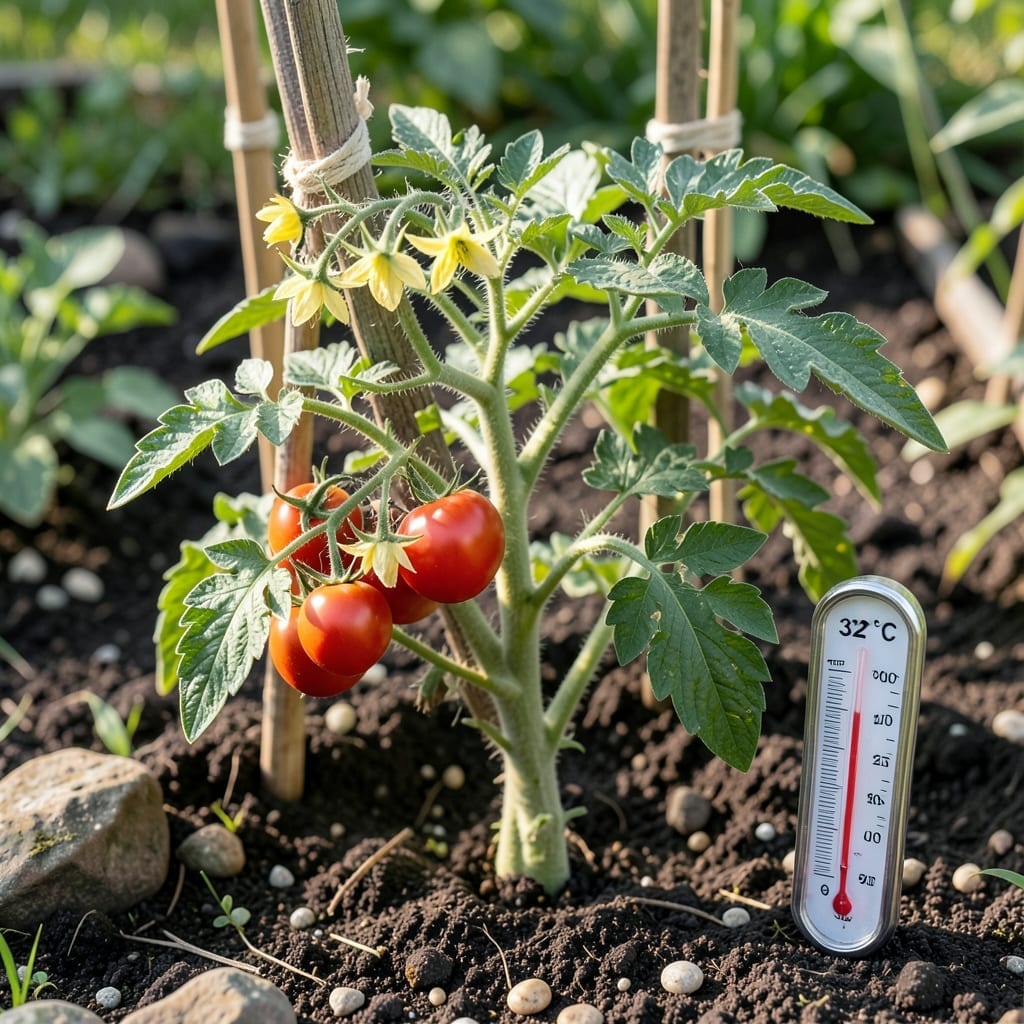
Tomatoes thrive in warmth, but knowing their cold tolerance limits can mean the difference between a bountiful harvest and a disastrous season. Even a single frost can wipe out your 🍅 Tomato plants overnight.
I learned this the hard way when an unexpected cold snap ruined my spring garden. Understanding these temperature thresholds is the key to protecting your investment and effort.
Discover exactly how cold is too cold for tomatoes and what you can do to safeguard your plants when the mercury dips dangerously low.
Understanding the lowest temp for tomatoes is crucial for every gardener. Tomato plants are highly sensitive to cold, and each growth stage has its own temperature thresholds.
From seedlings to mature plants, knowing these limits helps prevent frost damage and ensures a healthy harvest. I’ve seen firsthand how a single cold night can set back weeks of growth.☀️
| Growth Stage | Minimum Temp (°F) | Notes |
|---|---|---|
| Seedlings | 50°F | Below this, growth stalls |
| Transplants | 40°F | Risk of stunted growth |
| Mature Plants | 32°F | Frost damage begins |
| Fruiting | 35°F | Fruit may stop ripening |
At the seedling stage, temperatures below 50°F can halt growth entirely. I always keep my young plants indoors until the soil warms up.
Transplants are slightly tougher but still vulnerable below 40°F. This is when I start hardening them off for outdoor conditions.
Once mature, tomatoes can survive down to 32°F, but frost will damage leaves and stems. I use row covers to protect them during unexpected cold snaps.
During the fruiting stage, temperatures below 35°F can prevent ripening. I’ve learned to harvest green tomatoes before cold weather hits to ripen them indoors.
It’s not just the air temperature that matters—soil temperature is critical too. Tomatoes need soil temps above 60°F for optimal growth.
Even a light frost can kill tomato plants, so I always monitor weather forecasts closely. A few degrees can make all the difference in saving your crop.
If you’re in a cooler climate, consider using black plastic mulch to warm the soil faster in spring. This trick has helped me extend my growing season.
Remember, these thresholds are guidelines. Factors like wind, humidity, and plant health can affect cold tolerance. Healthy, well-watered plants handle cold better.🌱
When the forecast shows a cold snap approaching, I spring into action to protect my tomato plants. Even temperatures just below 32°F can cause serious damage if left unchecked.
I’ve found that preparation is key. The best defense is knowing exactly when to act and having the right materials on hand before the cold arrives.✂️
Row covers are my go-to solution. They create a microclimate around plants, often adding 4-6°F of protection. I secure them tightly to prevent wind from reducing their effectiveness.
Mulching with straw or leaves works wonders. A 2-3 inch layer insulates the soil and helps maintain root warmth. I apply it before the cold snap hits for maximum benefit.
For potted plants, I always move them indoors when possible. A garage or shed works in a pinch. Just
In extreme cases, I’ve used old blankets or tarps draped over cages. Be sure to remove them during the day to allow light and air circulation.🌱