
Beautiful Plants For Your Interior
Beautiful Plants For Your Interior
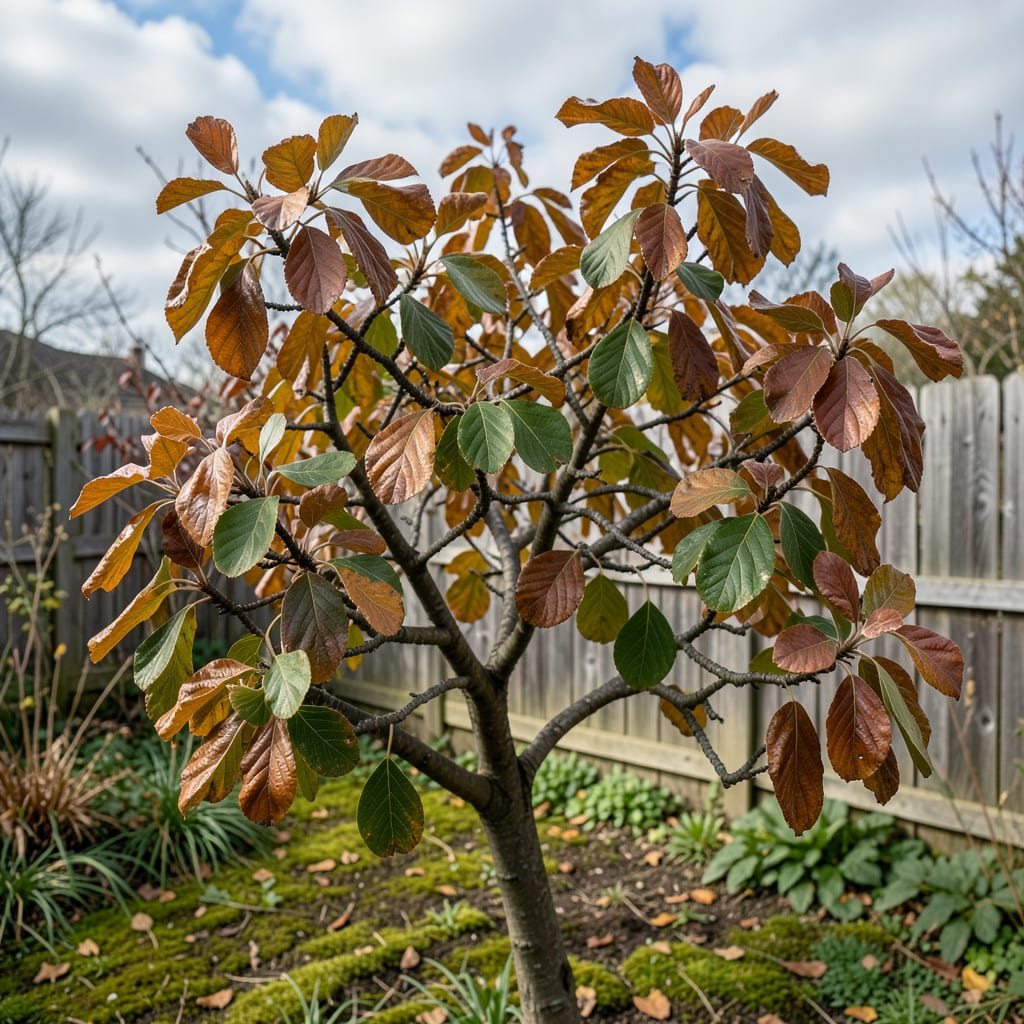
Brown loquat leaves are your tree’s way of sending an SOS. I’ve seen this happen to my own tree after a particularly dry spell, and the fix isn’t always what you’d expect.
Usually, it’s a watering issue—either too much or too little—but pests, disease, or even a sudden temperature swing can be the culprit. The good news? Most causes are fixable with a little detective work and quick action.
You’ll start by checking the soil’s moisture and inspecting the leaves for spots or pests. Once you pinpoint the problem, revival often happens faster than you’d think.
Works for young trees and old favorites alike. Here’s how to diagnose it right.
When your loquat tree’s leaves start turning brown, it’s often a sign of stress or environmental imbalance. Below are the most common causes, each with a clear explanation to help you diagnose the issue.
Loquat trees thrive in well-drained but consistently moist soil. Brown leaves can result from both drought and waterlogging. Drought stress causes edges to crisp and curl as cells die from dehydration. Meanwhile, overwatering suffocates roots, blocking oxygen uptake and leading to root rot, which manifests as yellowing followed by browning. Check soil moisture 2 inches down—it should feel like a wrung-out sponge.
Loquats prefer mild climates (60–85°F). Sudden frost or heatwaves can shock the tree, causing leaf scorch. Frost damage often appears as blackened or wilted brown patches, while heat stress leads to dry, papery brown edges. Young trees and those in exposed locations are most vulnerable.
A lack of magnesium or potassium can trigger browning, often starting at leaf margins. Magnesium deficiency (common in sandy soils) causes interveinal chlorosis (yellowing between veins) before turning brown. Potassium deficiency leads to scorched edges, especially on older leaves. A balanced fertilizer (e.g., 8-8-8) or Epsom salt spray (for magnesium) can correct this.
Scale insects and spider mites sap nutrients from leaves, causing stippling, yellowing, and eventual browning. Meanwhile, fungal diseases like anthracnose or root rot (from Phytophthora) create dark brown spots or lesions. Inspect leaves for webbing (mites) or sticky residue (scale), and treat with neem oil or copper fungicide as needed.
Here’s how to tackle the most common causes of browning leaves on your loquat tree, with actionable fixes and prevention tips to keep it thriving.
Fix: Check the soil moisture 2 inches deep. If it’s bone-dry, water deeply until the top 6 inches are moist. If it’s soggy, let the soil dry out before watering again. Adjust your schedule based on weather—more in heat, less in rain.
Prevent: Use a moisture meter or the finger test (stick your finger in the soil) to gauge needs. Mulch around the base to retain moisture evenly. 💡 Pro tip: Loquats prefer well-draining soil, so amend heavy clay with compost.
Fix: Prune affected leaves with sterilized shears (dip in rubbing alcohol between cuts) and dispose of them in the trash—not compost. Apply a copper-based fungicide or bactericide, following label instructions.
Prevent: Improve air circulation by spacing branches and thinning dense foliage. Avoid overhead watering; use a soaker hose instead. Clean up fallen leaves and debris regularly.
Fix: Spray leaves with neem oil or insecticidal soap to target aphids, scales, or mites. For severe cases, use horticultural oil. Repeat every 7–10 days until pests are gone.
Prevent: Inspect leaves weekly for early signs of pests. Encourage beneficial insects like ladybugs by planting companion flowers. 💡 Pro tip: A strong blast of water can dislodge aphids before they cause damage.
Fix: Shield the tree from harsh afternoon sun with shade cloth if leaves are scorched. For frost damage, prune dead tissue and apply a frost blanket during cold snaps. Adjust fertilizer—too much can burn roots.
Prevent: Plant loquats in partial shade in hot climates. Water early in the morning to reduce evaporation stress. ✨ Pro tip: A 2–3 inch layer of mulch protects roots from temperature swings.
No, overwatering can be just as harmful. Root rot from soggy soil blocks oxygen uptake, causing leaves to turn brown. Always check soil moisture 2 inches deep before watering.
Yes, sudden frost can shock the tree, leading to blackened or wilted brown patches. Young trees and those in exposed areas are most vulnerable to temperature swings.
Look for webbing (mites) or sticky residue (scale). These pests sap nutrients, causing stippling and yellowing that turns brown. Treat with neem oil or insecticidal soap.
Yes, but only if done correctly. Use sterilized shears to remove damaged leaves and dispose of them in the trash. Never compost diseased foliage.
