
Beautiful Plants For Your Interior
Beautiful Plants For Your Interior
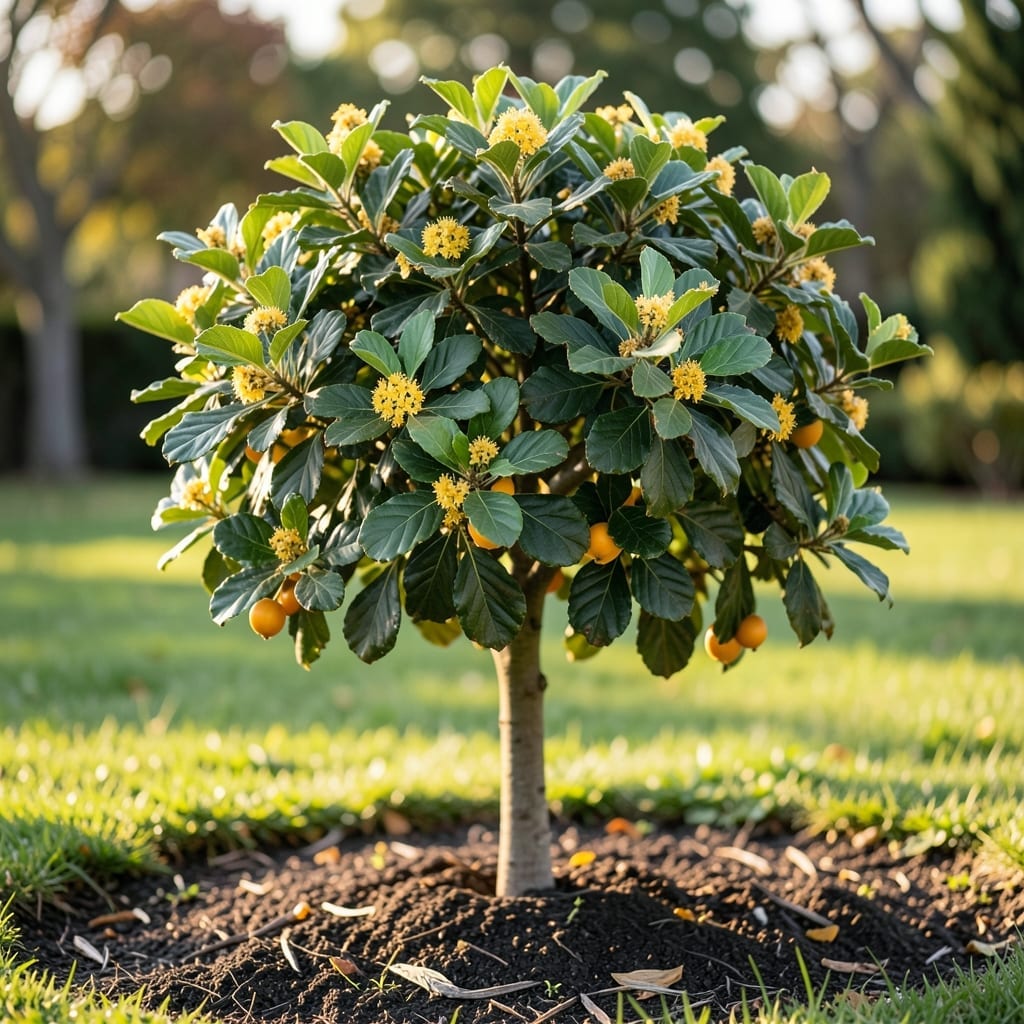
Curling loquat leaves always mean your tree is trying to tell you something. I’ve seen this happen with both young and established trees, and the causes aren’t always what you’d expect.
The usual suspects are underwatering, overwatering, or a sudden temperature swing. Sometimes it’s just the tree’s way of protecting itself from harsh sun or wind. The good news? Most cases fix themselves once you adjust the conditions.
You’ll notice the leaves start to unfurl within 3-5 days of addressing the issue. The key is catching it early before the stress affects fruit production or overall growth.
Works for potted loquats too—not just in-ground trees. Here’s how to diagnose and fix it fast.
Loquat leaves curling is often a sign of underlying stress or disease. Here are the most common causes, explained scientifically:
Extreme temperatures, particularly heatwaves above 95°F (35°C) or sudden cold snaps below 27°F (-3°C), disrupt the tree’s transpiration process. The leaves curl to reduce surface area and minimize water loss. Drought conditions can also trigger curling as the plant conserves moisture.
Both overwatering and underwatering can lead to curling. Overwatering suffocates roots, reducing oxygen uptake and causing edema (cell bursting), while underwatering leads to turgor pressure loss, making leaves wilt and curl inward.
Sap-sucking pests like aphids, scale insects, or spider mites pierce leaf cells, causing hydraulic failure. The loss of cell turgor and toxin injection from pests lead to distorted, curled growth. Check leaf undersides for sticky residue (honeydew) or webbing.
Pathogens such as Pseudomonas syringae (bacterial leaf spot) or Phytophthora (root rot) disrupt nutrient flow. Infected leaves curl as cells die or swell abnormally. Fungal spores thrive in humid, poorly ventilated conditions.
A lack of magnesium, potassium, or calcium can cause leaf curling. Magnesium deficiency, for instance, impairs chlorophyll production, leading to interveinal chlorosis and curling. Soil tests can confirm imbalances.
Addressing curling leaves on your loquat tree starts with identifying the root cause. Below are targeted solutions for common issues, along with prevention tips to keep your tree healthy.
If dry soil or waterlogged roots are to blame, adjust your watering routine. Check soil moisture 2 inches deep—water only when the top layer feels dry. For overwatered trees, improve drainage by amending the soil with perlite or sand. Use a moisture meter for precision.
Prevention: Mulch around the base (2–3 inches deep) to retain moisture without suffocating roots. 💡
For aphids, scale, or mites, spray leaves with a mix of 1 tsp neem oil + 1 quart water + a few drops of dish soap. Repeat every 5–7 days until pests disappear. For severe cases, introduce ladybugs or lacewings as natural predators.
Prevention: Inspect leaves weekly and prune heavily infested branches to stop the spread. ✨
If extreme heat, cold, or wind is causing stress, move potted trees to a sheltered spot or use shade cloth during peak sun. For in-ground trees, plant windbreaks like shrubs or install a frost blanket in winter.
Prevention: Acclimate young trees gradually to outdoor conditions to build resilience. 🌡️
A lack of nitrogen, potassium, or magnesium often shows as curling leaves. Apply a balanced fertilizer (10-10-10) every 4–6 weeks during growing season. For magnesium, sprinkle Epsom salt (1 tbsp per gallon of water) around the base monthly.
Prevention: Test soil annually and amend with compost for long-term nutrient richness. 🎯
Consistency is key—monitor your tree’s response and adjust care as needed for vibrant, curl-free foliage.
Water when the top 2 inches of soil feel dry. Typically, this means 1-2 times per week in hot weather, less in cooler months. Overwatering can be just as harmful as underwatering.
Check for aphids, scale insects, or spider mites on leaf undersides. Look for sticky residue or fine webbing. Neem oil sprays work well for most infestations.
Temporary curling from heat or cold usually reverses in 3-5 days. Prolonged exposure to below 27°F (-3°C) or above 95°F (35°C) may cause lasting harm.
Apply balanced fertilizer (10-10-10) every 4-6 weeks during growing season. For magnesium, use Epsom salt monthly. Always test soil first.