
Beautiful Plants For Your Interior
Beautiful Plants For Your Interior
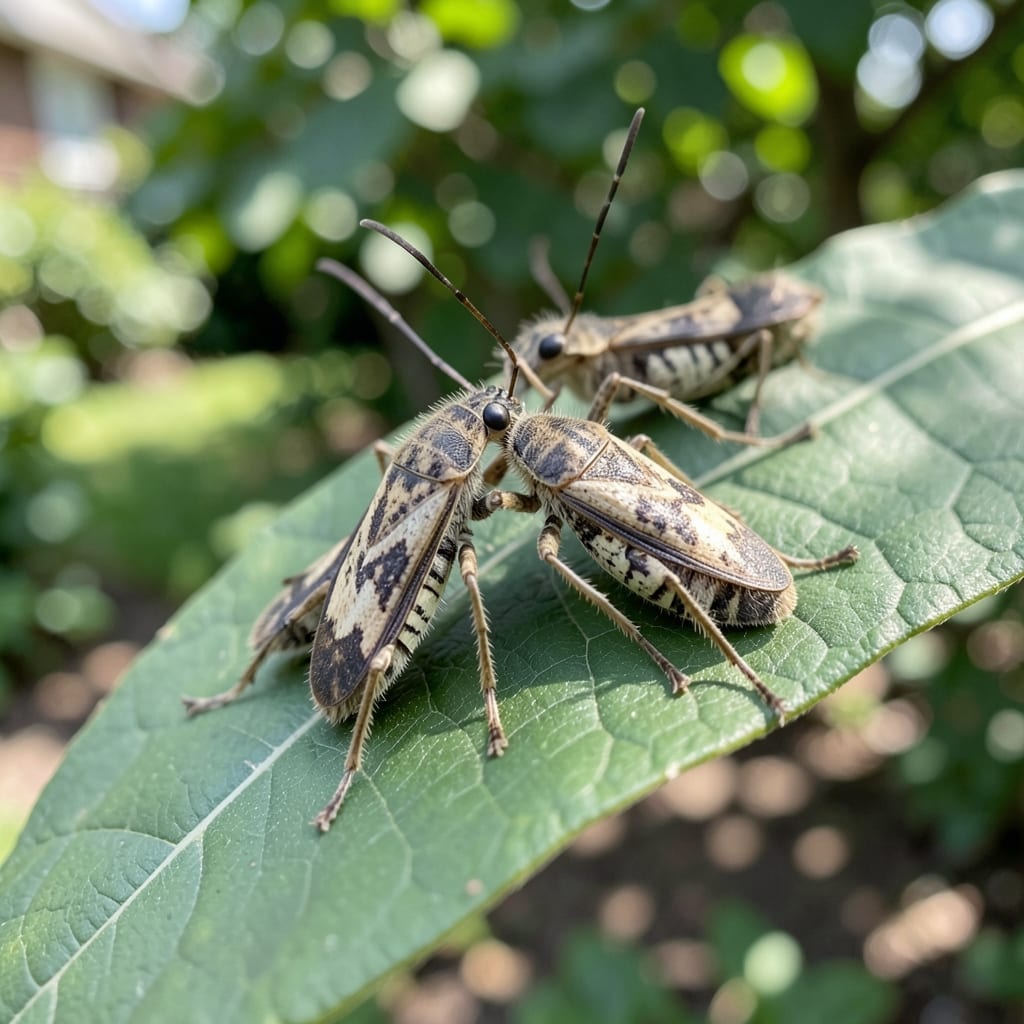
My locust tree went from healthy to troubled in two weeks. Tiny invaders were the culprits, and I wasn’t prepared for how quickly they could take over.
Spotting these pests early saves your tree from serious damage. Look for stunted growth, yellowing leaves, or sticky residue on branches—classic signs they’ve moved in.
Here’s the thing—most solutions don’t require harsh chemicals. A little vigilance and the right approach can restore balance without harming the tree or the environment.
You’ll learn how to identify, prevent, and treat the issue, keeping your locust thriving for years to come.
Locust tree bugs, like many pests, don’t appear out of nowhere. Their presence is often tied to specific environmental and biological factors. Understanding these triggers can help you address the root of the problem effectively.
Locust trees, particularly black locust (Robinia pseudoacacia), are prime targets because they provide the perfect food source. These bugs thrive on the tree’s sap, which is rich in nutrients. Healthy, mature locust trees with dense foliage attract more bugs, as they offer abundant feeding opportunities and shelter.
Locust tree bugs are most active during late spring and summer, when temperatures rise above 70°F (21°C). Warmth accelerates their metabolism and reproduction cycles. A sudden heatwave can trigger a population explosion, as eggs hatch faster and nymphs mature rapidly under these conditions.
High humidity and consistent moisture create an ideal breeding ground. Locust tree bugs lay eggs in damp bark crevices or soil near the tree’s base. Areas with poor drainage or frequent watering can exacerbate the issue, as stagnant moisture supports egg survival and nymph development.
In ecosystems where natural predators like birds, parasitic wasps, or ladybugs are absent, locust tree bug populations can spiral out of control. Urban or suburban settings often lack these predators due to pesticide use or habitat disruption, allowing bugs to multiply unchecked.
Dealing with locust tree bugs can be frustrating, but these practical solutions will help you reclaim your tree’s health and keep pests at bay.
If you notice small, green insects feeding on leaves, mix 1 tablespoon of neem oil with 1 gallon of water and a few drops of dish soap. Spray the mixture evenly on affected areas every 5–7 days until the bugs disappear. Pro tip: 💡 Apply in the early morning or late evening to avoid harming beneficial insects like bees.
For holes in the trunk or branches, use a thin wire or tweezers to extract borers manually. After removal, apply a homemade paste of diatomaceous earth and water to the entry points to deter new infestations. Prevention: ✨ Keep your tree healthy with regular watering and mulching to reduce stress, which attracts borers.
If you see webbing or clusters of bugs, prune the infested branches immediately and dispose of them in a sealed bag. Avoid composting to prevent the bugs from spreading. Pro tip: 🌡️ Sterilize your pruning tools with rubbing alcohol between cuts to avoid cross-contamination.
For severe cases, introduce beneficial predators like ladybugs or lacewings, which naturally feed on locust tree bugs.
With these steps, you can effectively manage locust tree bugs without harsh chemicals!
They vary by type but often appear as small green or brown insects. Some have elongated bodies while others resemble tiny beetles. Check for clustering on leaves or bark.
Peak activity occurs in late spring through summer when temperatures exceed 70°F. Warmth triggers rapid reproduction and feeding cycles.
Yes! A mix of 1 tablespoon neem oil and 1 gallon water with dish soap works well. Apply every 5-7 days for best results.
Inspect trees weekly, encourage beneficial insects, and avoid over-fertilizing. Healthy trees resist pests better than stressed ones.