
Beautiful Plants For Your Interior
Beautiful Plants For Your Interior
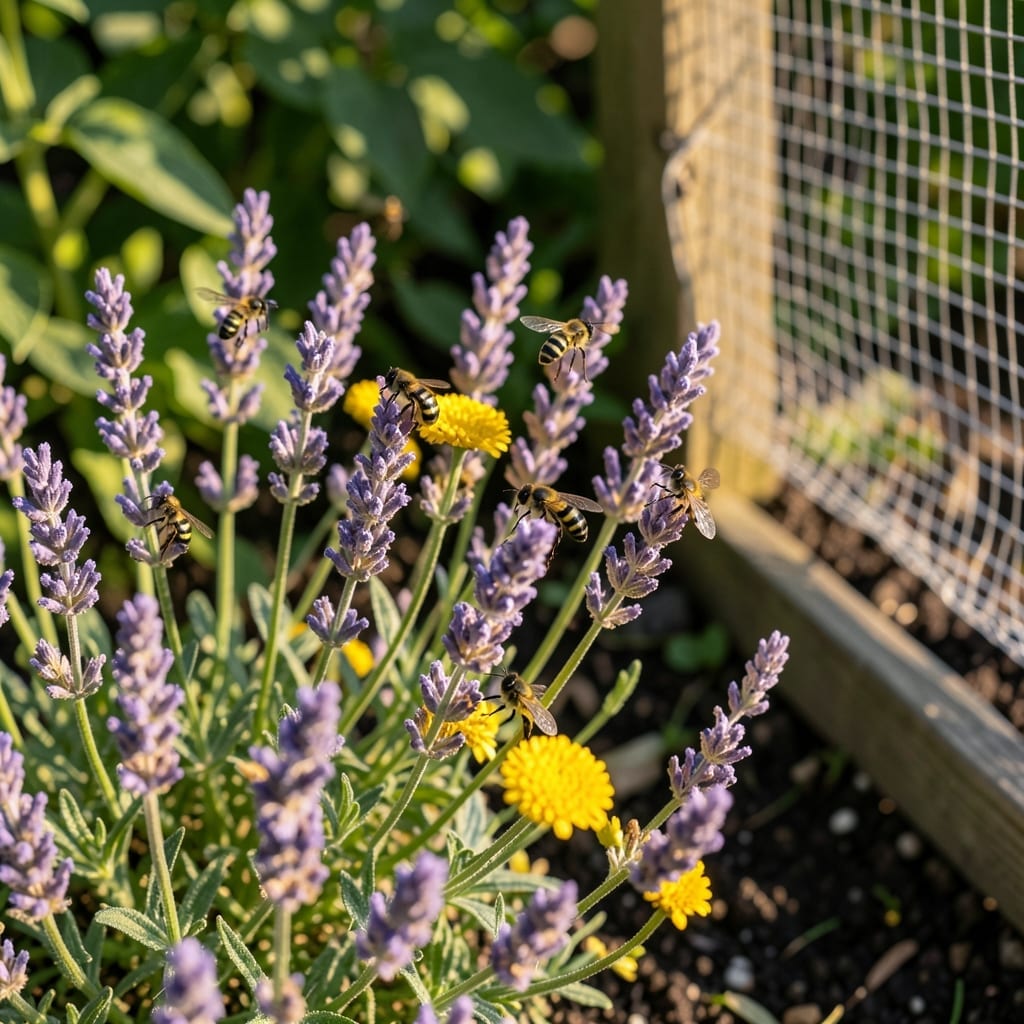
Spotted tiny yellow and black striped insects hovering near your garden? That’s your first clue. These aggressive foragers can turn a peaceful afternoon into a stinging nightmare, especially when disturbed.
I learned the hard way that early identification is key—they build nests underground or in hidden cavities, often going undetected until populations explode. Their smooth, shiny bodies and distinctive flight patterns give them away.
Safe removal starts with locating the nest at dusk when they’re less active. A foolproof approach combines natural deterrents with strategic trapping before populations grow out of control.
The goal is reclaiming your outdoor space without turning it into a war zone. Here’s how to spot them early and handle the situation before it escalates.
The sudden appearance of little yellow jackets is rarely random. These aggressive wasps are drawn to specific conditions that fulfill their biological and social needs. Understanding these triggers helps prevent swarms from taking over your yard or home.
Yellow jackets are opportunistic feeders. In late summer and early fall, colonies shift from hunting insects to scavenging sugars and proteins. Unsecured trash cans, pet food left outdoors, fallen fruit, and even soda cans can lure foragers. Once a scout finds a reliable source, it releases pheromones to recruit others—leading to rapid infestations near food sources.
Unlike honeybees, yellow jackets build nests in hidden, dry, and protected areas. Common locations include underground burrows, wall voids, attics, dense shrubs, and even inside old appliances. These spots shield the colony from predators and weather, allowing it to grow undetected until populations peak.
Warm temperatures speed up the yellow jacket life cycle. A single queen can lay thousands of eggs in a season, and in mild climates or during heatwaves, colonies mature faster. Peak activity occurs in late summer when worker numbers explode, increasing the chances of human encounters and stings.
Like all living organisms, yellow jackets need water to survive. Puddles, leaky hoses, birdbaths, or even damp soil provide the moisture necessary for larvae development and adult hydration. Areas with consistent water sources often see larger, more persistent infestations.
Dealing with these pests starts with pinpointing their nesting sites and eliminating attractants. Here’s how to tackle each cause effectively:
Secure trash cans with tight-fitting lids and clean up spills or fallen fruit immediately. Outdoor dining areas should be wiped down after use, and pet food bowls shouldn’t sit outside for long. Prevention tip: 💡 Store sweets and proteins in sealed containers—these pests are drawn to both!
Inspect your home for gaps around windows, doors, and utility lines. Use caulk or fine mesh to block access. Check vents and chimneys, as these are common entry routes. Prevention tip: 🎯 Regularly check for new cracks, especially after storms or seasonal changes.
If you locate a nest (often underground or in wall voids), do not disturb it during the day when the insects are active. Instead, treat nests at dusk or dawn using insecticidal dust labeled for wasps. For large or hard-to-reach nests, call a professional exterminator. Prevention tip: ✨ Inspect your yard for early signs of nesting activity in late spring.
Set up commercial wasp traps or DIY versions (e.g., soda bottles with sweet bait) away from high-traffic areas to lure and capture them. Avoid placing traps near doors or patios, as this may increase encounters. Prevention tip: 🌡️ Refresh bait every few days to maintain effectiveness.
Consistency is key—combine these methods to break the cycle and keep your space pest-free.
They’re scavengers protecting their food source. In late summer, they switch from hunting insects to scavenging sugars and proteins, which makes them extra defensive around food.
Always wait until dusk or dawn when they’re less active. Treating during daylight hours risks provoking the entire colony and getting stung repeatedly.
Set traps at least 20 feet away from doors, windows, and patios. Placing them too close may actually draw more toward your living spaces.
Walk your property at dusk wearing long sleeves and pants. Look for hole-like entrances in the ground or walls with increased insect traffic.