
Beautiful Plants For Your Interior
Beautiful Plants For Your Interior
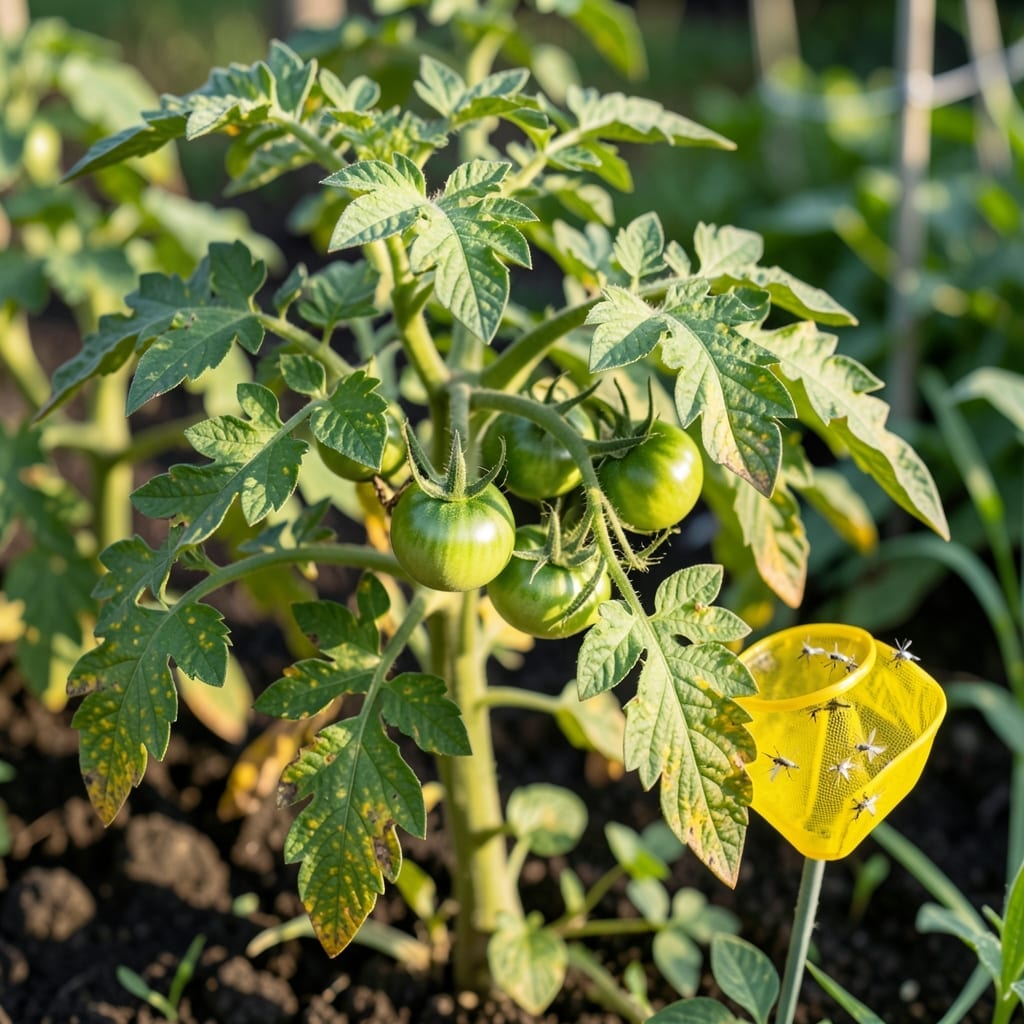
Tiny white clouds hovering around your plants are never a good sign. I first noticed them on my calathea, and within days they’d spread to every leaf in the room.
These pests multiply fast, but I’ve found they’re vulnerable to simple traps. Yellow sticky cards work wonders, and a soapy water spray knocks them down immediately without harsh chemicals.
Prevention comes down to three things: quarantine new plants, inspect leaves weekly, and keep air circulating. The difference between a small problem and a full infestation is often just 24 hours.
Your plants will thank you by staying lush and vibrant. This is one battle you can win with consistent, gentle care.
Little white flies, often whiteflies, thrive in indoor environments due to specific conditions that favor their reproduction. Understanding the root causes helps you tackle the problem effectively.
Excess moisture in soil creates a breeding ground for whiteflies. Overwatered plants weaken, making them more susceptible to infestations. Ensure pots have drainage holes and avoid letting water pool in saucers.
Stagnant air allows whiteflies to settle and multiply undisturbed. Poor ventilation in indoor spaces traps humidity, which these pests love. Use a small fan to improve airflow around your plants.
Placing plants too close together restricts airflow and increases humidity between foliage. Whiteflies exploit dense, tangled leaves to hide and lay eggs. Space plants apart to reduce hiding spots.
Whiteflies thrive in consistently warm environments (70–80°F), common in indoor settings. While you can’t always control room temperature, avoiding overheating near heaters or vents can deter them.
Indoors, whiteflies face no natural enemies like ladybugs or lacewings. Without predators, their populations explode. Introducing beneficial insects or using neem oil can restore balance.
Tackling these pesky pests doesn’t have to be a battle. Start with simple, natural fixes to reclaim your plants’ health. Here’s how to address the most common causes:
Soggy soil is a breeding ground for little white flies. Stop watering immediately and let the top 1–2 inches of soil dry out completely. Repot the plant in fresh, well-draining soil if the roots are waterlogged. Use pots with drainage holes to prevent future issues. Prevention tip: 💡 Water only when the soil feels dry to the touch.
If the soil is teeming with flies, remove the plant, shake off the old soil, and repot it in sterile potting mix. For mild infestations, drench the soil with a neem oil solution (1 tbsp neem oil + 1 tsp dish soap per gallon of water). Repeat weekly until the flies disappear. Prevention tip: ✨ Always use high-quality, sterile soil for new plants.
Stagnant air encourages these pests to thrive. Move your plants to a breezy spot or use a small fan to circulate air gently. Open windows regularly (with screens) to discourage flies from settling. Prevention tip: 🌡️ Group plants loosely to allow airflow between them.
Decaying leaves or uneaten food attract little white flies. Remove dead foliage, fallen petals, and food scraps from the soil surface and surrounding areas. Wipe leaves with a damp cloth to eliminate eggs or larvae. Prevention tip: 🎯 Keep your plant’s environment tidy to avoid future infestations.
No, they’re different pests. Whiteflies look like tiny moths and fly away when disturbed, while fungus gnats resemble mosquitoes and hover near soil. Whiteflies cluster on leaf undersides, while gnats stay close to damp soil.
Check for sticky residue on leaves or a white, powdery substance—these are signs of whitefly activity. Shake the plant gently and watch for tiny white insects that scatter. Yellow sticky traps can also confirm their presence.
If left untreated, they can weaken plants by sucking sap, causing yellowing leaves and stunted growth. However, catching them early with treatments like neem oil or insecticidal soap often restores plant health.